Consider a pallet of frozen food. It has arrived, it is intact, and it is cold. This ought to be the end of the story. For the company that owns it, however, several questions remain. Which warehouse has it? Can it leave tomorrow? Has the order been received? A freezer answers only one of those questions. Arcadia Cold Storage & Logistics has built its business around answering the others.
- Refrigerated and frozen logistics for food businesses.
- A new-build network with nine listed U.S. locations.
- A customer portal makes inventory, orders and loading photographs visible.
- The useful lesson: design the handoffs as carefully as the building.
The distinction matters because cold storage is a peculiar kind of waiting room. Its contents must remain useful while their owners decide where they should go next. Waiting too long, moving at the wrong temperature, or losing track of a shipment can turn perfectly good inventory into an expensive problem. The refrigerator is essential. So is the answer to a customer’s question.
The advantage of an expensive blank sheet
Arcadia began in 2021, but its leadership did not begin learning the business that year. Co-founder and CEO Chris Hughes had worked at Americold and co-founded Agro Merchants Group. His background includes commercial operations, acquisitions and running cold-storage facilities. This was a new company assembled by people familiar with the industry’s habits.
That experience makes its approach interesting. Arcadia’s founding proposition couples newly developed warehouses with experienced operators. New construction offers a chance to make the building suit the work: temperature compartments, racks, docks and circulation can be planned together. It also offers a chance to introduce shared operating systems before each location develops its own cherished workaround.
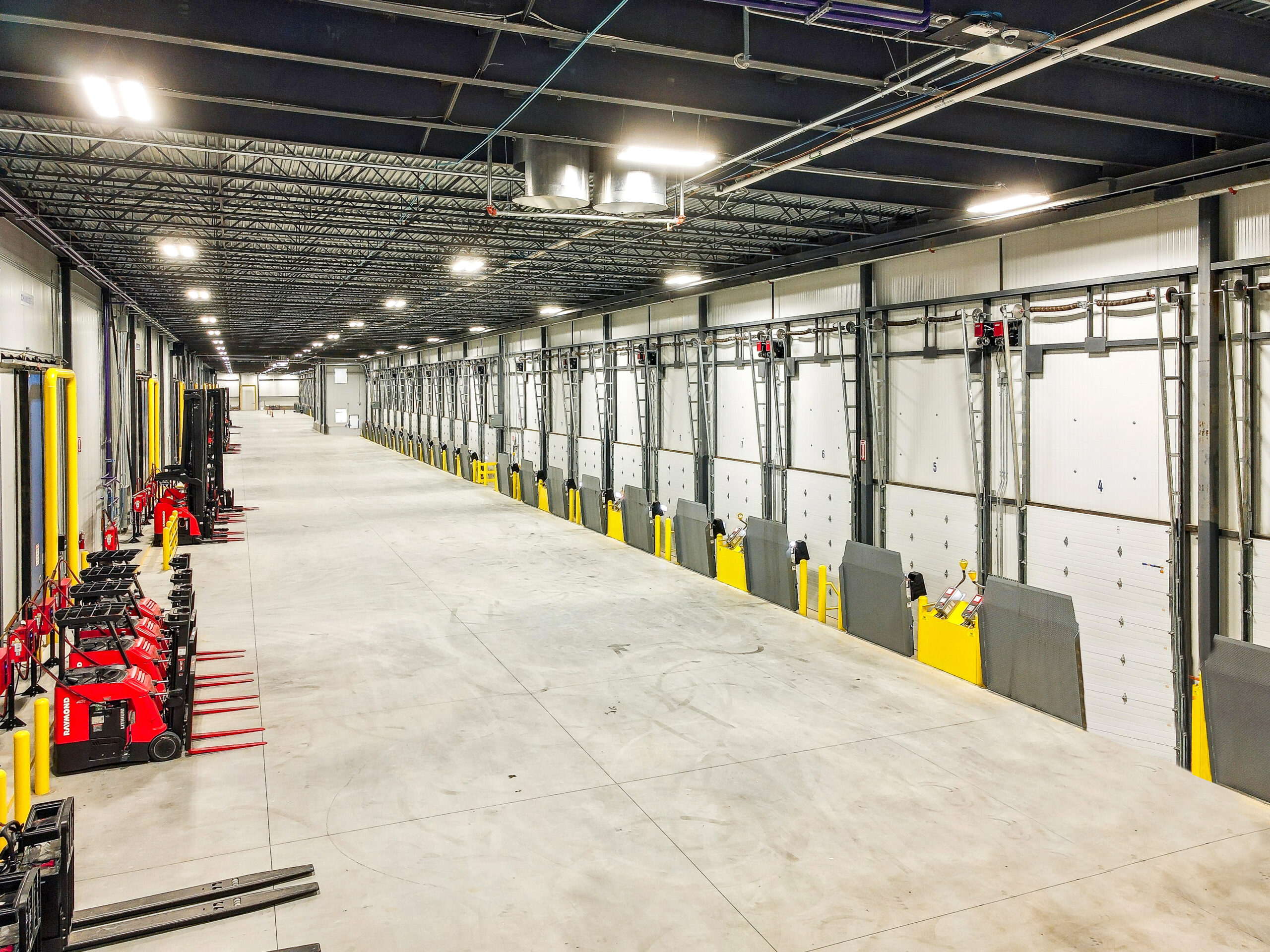
The company’s directory now lists locations from Reno and Phoenix to Hazleton and Jacksonville. Chicago’s facility is in Joliet; nearby Crown Point extends the Midwest footprint. These addresses are part of the service. A warehouse may be splendidly organized and still sit on the wrong side of a customer’s distribution map.
A freezer with a second address
For food manufacturers, processors, importers, distributors and retailers, Arcadia offers both frozen and refrigerated storage. Its work also includes port handling and preparing goods for their next destination. At Charleston, the published specification lists 35,000 pallet positions and temperatures from -10°F to 38°F. That range describes this site, rather than a promise about every room in the network.
A pallet’s second address is digital. Arcadia’s ArcadiaOne portal lets customers inspect inventory, place orders, schedule reports and retrieve invoices or bills of lading. They can also view photographs of loading and unloading. That last detail is pleasantly practical: sometimes the customer needs to see the goods, rather than receive another reassuring adjective.
The underlying system uses Blue Yonder warehouse technology and a consolidated Snowflake data layer. In its customer account, Blue Yonder reports a 9% improvement in warehouse labor productivity and five facility launches in 18 months during 2023-2024. These are partner-reported results. Their significance is the connection between shared systems and repeatable work as the footprint grows.
New buildings, old integration problems
A fresh building does not automatically produce tidy information. Nexla’s account describes fragmented warehouse data and multiple integration tools limiting customer visibility. Arcadia faced a choice between building pipelines internally and buying more middleware. With a small staff, neither route looked particularly appetizing.
It chose Nexla as a shared integration hub. The case study reports implementation in under three months, compared with nine months for alternative approaches, and a 50%-60% reduction in integration spending. The scope matters: that is an integration-budget claim, not a discount on running refrigerated warehouses. The instructive decision was to reduce the number of connections people had to maintain.
Customer onboarding described by CIO Chris Lafaire in the SPS Commerce case study.
Customer onboarding posed another practical problem. SPS Commerce describes Arcadia replacing manual inputs with standardized electronic data exchange. Its case study reports onboarding times falling by 60%. The business implication is plain: a new warehouse operator must make joining its network manageable for companies whose systems already work with established providers.
“We start a conversation with a customer, and they’re live in 2 to 4 weeks.”Chris Lafaire, Chief Information Officer, via SPS Commerce
The rent is part of the recipe
All this begins with capital. A public Nevada incentive application reports nearly $40 million raised in operating capital over the preceding twelve months for startup and pre-launch expenses. It describes a separate property arrangement: Saxum and institutional real-estate investors fund construction, while Arcadia leases facilities under 15-year triple-net agreements.
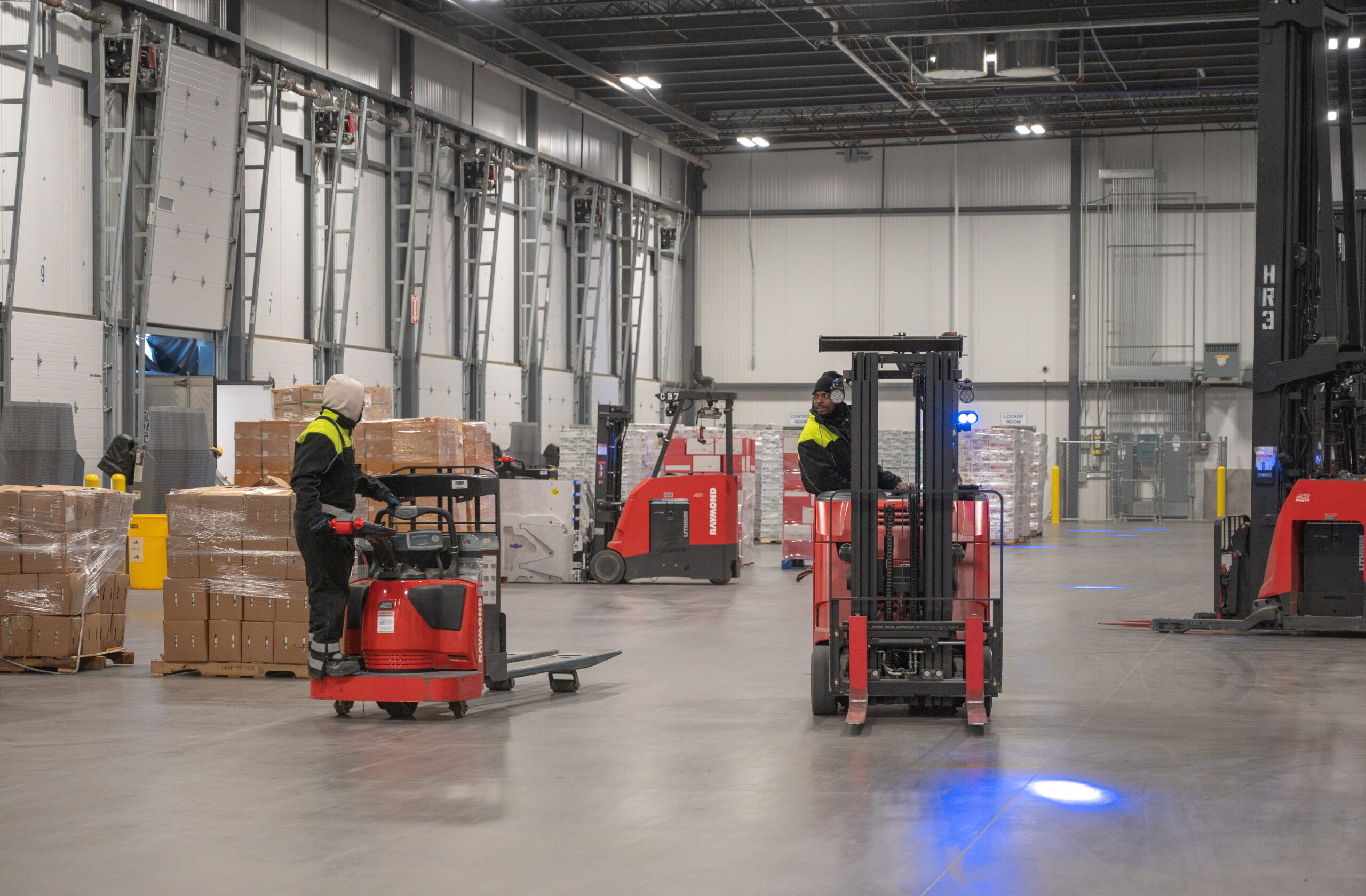
For customers, the resulting business is third-party logistics: paying an operator to store, handle and distribute food, with additional work as required. Cross-docking keeps shipments moving between vehicles. Retail consolidation combines flows. Packaging and mixed-product “rainbow pallets” prepare inventory for particular buyers. The menu is more involved than renting an empty patch of cold floor.
Copy the handoffs before the footprint
Arcadia competes with established operators including Americold and Lineage. Its argument rests on combining new infrastructure, experienced teams and accessible information. None of those ingredients eliminates the need for ordinary discipline. Hazleton general manager Jo Usher describes improvement through successive targets and the plan-do-check-act cycle, with missed targets becoming material for the next attempt.
A buyer can borrow that approach immediately: ask how orders enter the system, how exceptions surface, and what happens between unloading and dispatch. Then check the particular site’s temperature range, available services and freight geography. Blast freezing is offered at selected locations. A portal cannot make an unsuitable room suitable, and extra truck miles can undo a convenient storage arrangement.
An operator can copy the shared processes before attempting the buildings. Arcadia’s wager requires capital, demand and long-term property commitments. Its smaller lesson travels more easily: make the next handoff legible. When food must wait, the people responsible for it should not have to wait for an answer.