The restaurant had lost the agenda. Jonathan Morse had come to an event in Chicago and found an evening being improvised around a missing set of papers. The explanation was more interesting than the mishap. The manager had been organizing everything by hand. Dedicated software seemed expensive and complicated. Somewhere between the booking and the guests arriving, the instructions had disappeared.
Plenty of diners would have left with a complaint. Morse had spent enough of his working life inside hospitality to recognize an operational problem with a customer attached. In 2008, he set out to build Tripleseat. The premise was modest enough to fit on the very paper it would replace: help venues sell events and keep the details together.
His career makes more sense when followed through the back offices of restaurants than through the conventions of a technology biography. There are tables to clear, room blocks to sell, proposals to revise and people who need an answer before service starts. Morse understood those jobs. He had done several of them.
The education that came with an apron
He started in restaurants at 13, working as a busboy in a local pizza place. His early hospitality work included Abadessa’s in Hingham, Massachusetts, and a stint cooking at Atlantic Café on Nantucket. Later came restaurant management, hotel sales and technology businesses serving the same industry. Each move gave him another view of what happens behind a guest’s apparently effortless evening.
Morse studied English at Hartwick College from 1985 to 1989. His professional vocabulary eventually acquired less literary terms: banquet event orders, sales leads, group bookings. He spent five years as a general manager at Back Bay Restaurant Group before moving into hotel event work with Marriott and Starwood. He has explained that switch with a practical complaint about restaurant life: the weekends.
There is a useful distinction between knowing that restaurants are busy and knowing which repeated task consumes an event manager’s afternoon. Morse’s argument for hospitality experience was specific. Copying inquiries out of emails was work he remembered doing. So was building a booking and its accompanying instructions. He wanted the software’s sequence to follow the sequence of the job.
“For hospitality professionals, timing is everything.”Jonathan Morse, 2018
Finding someone who could build it
Morse was not a developer. Kevin Zink became his technical counterpart. The partnership joined a hospitality sales background to the ability to build a web application. In the early product, the central object was a relationship with a prospective event customer: a contact, a date, a conversation and the work required to turn an inquiry into a booking.
Dusty Davidson, whose development business helped build Tripleseat, remembered a rudimentary customer relationship management product that needed more features. The recession made restaurants reluctant to spend. The team kept developing while the market was difficult. That recollection adds some necessary texture to the familiar founding sequence. An idea and a working application still left the problem of making something a restaurant would buy.
Morse also recruited an unusually frank product tester: his mother, then in her eighties and an AOL user. She entered sample bookings; the team revised whatever stopped her. One early customer came from a similarly direct exercise. Morse walked into Davio’s in Boston, asked for the event manager and demonstrated the product. Neither exercise required a conference room full of strategists.
The chief executive on the support desk
By October 2015, Morse was describing a support system in which the whole staff received incoming tickets. Both founders took part. A question about a banquet event order could land in front of Jonathan or Kevin as well as their colleagues. The person who sold the application remained within reach of the person struggling to use it.
Support was included in the subscription. Menu adjustments, new users and additional training were part of the service Morse described. He understood why an apparently small document change could require an immediate answer. For a venue, the document contains instructions for real work, with people arriving at a particular hour. A delayed response does not become more useful because it is politely written.
Customer accounts put that ambition into everyday terms. In 2015, San Francisco’s Press Club described reducing the time spent preparing a banquet event order from roughly 30 minutes to five, or ten for a complicated booking. Its team could update details during a client call and have the client refresh the document. That is a fairly unromantic demonstration. It also gives the event manager part of the afternoon back.
One event order. Fewer minutes.
One venue's reported experience; complex bookings took longer.
A job interview with something to sell
Morse’s expectations were unusually visible in a 2013 advertisement for a West Coast sales manager. Applicants were told to skip sending a résumé and instead call him. Their assignment was to treat him as a restaurant owner and secure an appointment to review Tripleseat. The interview began with the work.
The advertisement asked for hospitality or software sales experience, attention to detail and the ability to explain the product in language that meant something to a customer. The exercise was consistent with his own route into the market. A polished account of being good at sales could wait until after the applicant had attempted to sell something.
His office culture had another test. In 2019, he liked asking candidates whether they preferred dogs or cats. Several dogs wandered the Concord office, so the surroundings supplied a clue. Yet he also welcomed candidates who defended cats. It was a curious little audition for noticing a room and holding a conversation. Somewhere, a competent cat person was entitled to be suspicious.
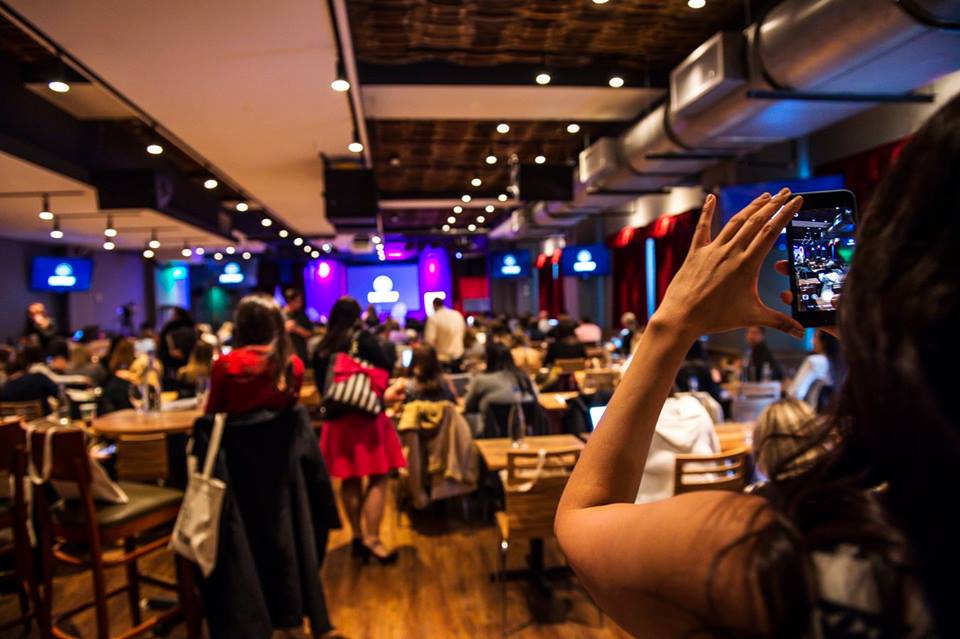
Hospitality, even on the company outing
Office life reflected the people Morse hired from restaurants and hotels. He described employees accustomed to pace, conversation and an open workplace. Cubicles and uninterrupted screen time would have been an awkward transplant. By 2019, the company had wine socials on Wednesdays and let employees work from home on Fridays.
His account of an Austin trip in 2015 reads like the notes of someone who pays attention to where people eat. A trade show became an outing lasting four nights and five days. There was barbecue, neighborhood dining, rooftop bars and zip lining over Lake Travis. Morse noticed the competition between cocktail bars and the abundance of comfortable roof decks. Even away from the office, he was looking at how a place entertained people.
The conviviality had a professional setting. Tripleseat sold to people whose business was bringing groups together. Its own team outings put colleagues in the guest’s position for a change. Morse’s published enthusiasm for food and venues makes those trips feel continuous with the work, right down to wanting more time to explore Austin.
When the business needed a bigger table
For years, Tripleseat grew without the sort of institutional funding that later entered the picture. In June 2017, it announced $7 million in growth capital led by Level Equity. At the end of the previous month, the company counted more than 3,000 venues and 35,000 users worldwide. Morse identified product improvements, customer support and sales among the uses for the money.
Expansion also meant admitting that different customers required different tools. In 2018, Tripleseat announced hotel features for guestroom blocks, group business and reporting. Hotels could need sleeping rooms and event spaces coordinated across multiple properties. Morse had worked in that world. Selling the same promise to a hotel required paying attention to what made its job different.
In March 2020, Vista Equity Partners acquired Tripleseat and combined it with Gather. Morse remained CEO. The business retained the Tripleseat name and its Concord headquarters, with a substantial Atlanta presence. Combining two event software businesses meant that his job now included bringing together teams and customers who had arrived through different products.
General Atlantic invested in April 2023. Vista, Level Equity and Enlightened Hospitality Investments remained minority investors. By then, the platform covered lead generation, booking, planning, operational workflows, reporting and payments. The business Morse had started around event details was also handling the movement of money. Its planned expansion included technology investment, acquisitions and additional markets.
Leaving the booking book in other hands
In August 2025, Tripleseat appointed Michelle Fischer CEO. She arrived after leading Vehlo, a software business serving automotive customers. The appointment marked a change in leadership at a company whose identity had long been intertwined with Morse’s own experience of restaurants and hotel events.
Morse has publicly announced his retirement from Tripleseat and describes himself as its founder and former CEO. His farewell returned to customers and colleagues, and to the original aim of making their working lives easier. He left room for a joke about deciding what to do when he grew up. After years of selling a more orderly working day, he could finally consider the shape of his own.
The company now says it serves more than 20,000 venues. Its name refers to being triple sat: three tables arriving in a server’s section at once, each expecting attention. It is a fitting piece of restaurant vocabulary to leave on the door. Morse’s career began close to those tables. The software grew by taking seriously all the work a guest is fortunate enough never to see.
Keep the conversation going
Follow Jonathan Morse on LinkedIn or visit Tripleseat.
LISTEN / 55 MINRestaurant Strategy: a conversation with Jonathan Morse ↗WATCH / RESTAURANT ROCKSTARSEvents and private parties with Jonathan Morse ↗WATCH / BEHIND THE SEATSBackground, company building and a few dad jokes ↗Further reading: The early business · Morse on customer support · The 2023 investment · The CEO transition