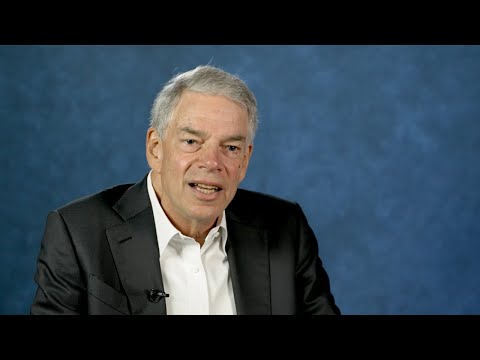
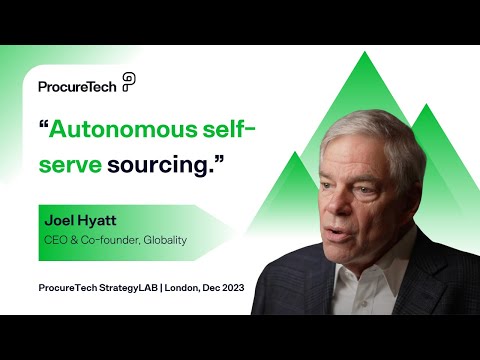
Three industries. Five decades. One word on it.
When Joel Hyatt graduated from Yale Law School in 1975, he went straight to one of the most prestigious firms in America - Paul, Weiss, Rifkind, Wharton & Garrison. He lasted about as long as it took him to notice a problem: legal help cost too much for the people who needed it most.
Two years later, he and his wife Susan started Hyatt Legal Services. Not a boutique firm. Not a specialty practice. A network of storefront legal clinics that ran TV commercials with Joel himself on screen, looking directly at a nation of working Americans and saying: "I'm Joel Hyatt and you have my word on it."
That sentence became shorthand for a new idea - that legal services could be standardized, affordable, and trusted. Hyatt Legal Plans became the country's largest employer-sponsored group legal benefit program. It was eventually acquired by MetLife. The National Law Journal named Joel Hyatt among the 100 most powerful lawyers in America. Twice.
"I'm Joel Hyatt and you have my word on it."
- Joel Hyatt, Hyatt Legal Services TV commercial - the tagline that built a legal empireThen came politics. In 1994, he ran for the US Senate from Ohio as the Democratic nominee. He lost to Michael DeWine in the general election. But politics left a different mark - it connected him permanently with Al Gore, and six years later Hyatt became the Democratic National Finance Chair.
In 2005, before YouTube had its first viral video, Hyatt and Gore co-founded Current TV - a cable news network built on user-generated content, viewer voting, and the strange bet that audiences might actually want to participate in the news rather than just watch it. The industry thought it was a gimmick. Then it started winning awards: Emmy, Peabody, DuPont, Webby, Livingston. The Emmy for Best Interactive Television Service at the 59th Primetime Emmy Awards in 2007 was particularly pointed - a cable channel winning for digital interactivity, years before "digital" was a word TV executives took seriously.
In January 2013, Hyatt and Gore sold Current TV to Al Jazeera Media Network for $500 million. Shortly after, the two reportedly discussed buying Twitter. They didn't. Twelve years later, with hindsight, that might have been the right call.
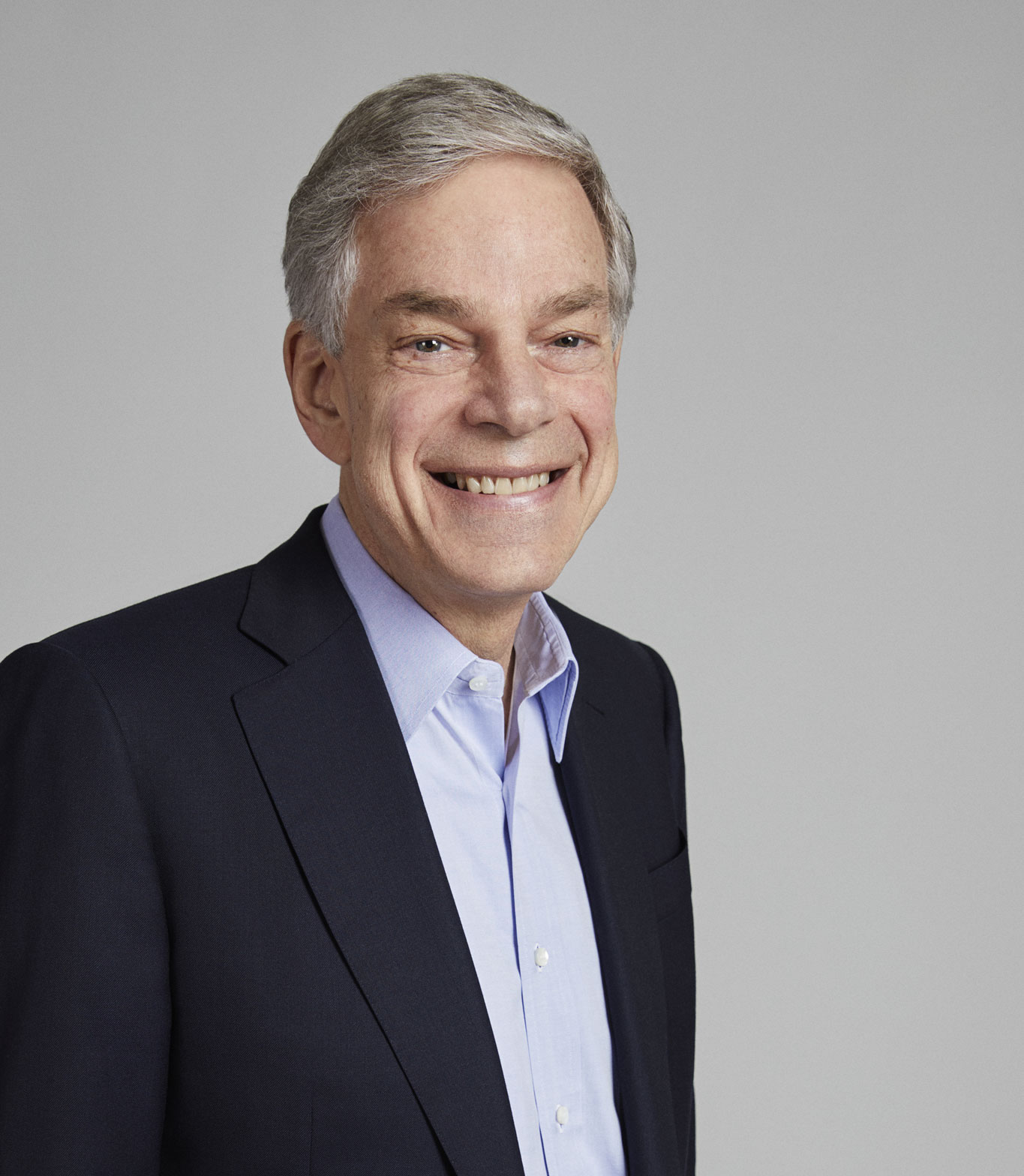
He changed his last name to Hyatt to create a memorable brand for his legal services business. The name was chosen deliberately - a name people could trust, remember, and associate with accessibility. It became one of the most recognizable faces in American legal advertising.
In 2015, Hyatt and co-founder Lior Delgo started Globality. The question behind it was characteristically Hyatt: "How can we make globalization work better? How can we drive the benefits of globalization deeper into the world's economies, thereby helping more people and more companies?"
The answer was software. Specifically, an AI-powered platform that automates what procurement teams do manually: scoping requirements, identifying qualified suppliers globally, generating negotiation insights, and driving data-based decisions. The company's AI agent - named Glo - handles these workflows autonomously for some of the world's most complex organizations.
Clients include Fidelity, Santander, British Telecom, Tesco, IQVIA, T. Rowe Price, Invesco, Hewlett Packard, and Dropbox. The pitch is direct: customers using Globality reduce costs by 10-20% across all spend and capture 60-90% operating efficiencies. Not across a pilot program. Across the procurement function.
The company has raised $357 million from investors including SoftBank, Rollins Capital, Sienna Investment Managers - and Al Gore. In October 2024, Globality closed a $47M Series D round. The same month, the company earned the inaugural Momentum Award at the Fall 2024 Procurement Tech Roundtables.
Hyatt has been featured at the World Economic Forum in Davos as part of the WEF Innovators Community - presenting procurement AI as a lever for global economic transformation, not just a cost-cutting tool for the already-large.
"How can we make globalization work better? How can we drive the benefits deeper into the world's economies, helping more people and more companies?"
- Joel Hyatt on the founding thesis of GlobalityHyatt lectures at Stanford's Graduate School of Business and Stanford Law School. He also participates in the Stanford Center on Longevity - unusual territory for an enterprise software CEO, but coherent with someone who has consistently connected economic systems to human outcomes.
What threads through Hyatt's career is not a sector or a technology - it's a pattern. He finds markets where access is gatekept by complexity or cost, then builds systems that lower that barrier at scale.
Legal services in 1977: too expensive for most Americans. His answer was a network of storefront offices with standard pricing and direct-to-consumer advertising.
Cable news in 2005: too passive, too centralized. His answer was participatory content before "participatory" meant anything to broadcasters.
Enterprise procurement in 2015: too slow, too manual, too opaque, and almost entirely inaccessible to smaller suppliers. His answer is an AI platform that scopes requirements, finds qualified vendors globally, and runs the analysis humans would otherwise spend months on.
The pattern scales. The methods change. The instinct stays the same: build the infrastructure that didn't exist, and let the market catch up.
Al Gore is not just a former political ally - he is an investor in Globality. The partnership that started in Ohio politics in 1994, deepened through Current TV, and now runs through Globality's cap table is one of the most durable public-private collaborations in American entrepreneurship.
How can we make globalization work better? How can we drive the benefits of globalization deeper into the world's economies, thereby helping more people and more companies?
We want to democratize procurement the same way we democratized access to legal services. The same playbook - lower the barriers, open the market, let merit decide.
I'm Joel Hyatt and you have my word on it.