A conference has a peculiar kind of architecture. There is the building, of course. Then there is the temporary world erected inside it: directions, stages, screens, meeting places, little signals telling strangers what to do next. Jaguar Design Studio works on that second architecture. When the pandemic removed the building from the equation, the studio had an unusually relevant set of skills.
The problem was suddenly visible at Sumo Logic. Its annual user conference still needed to reach customers and prospects, but gathering them in the usual way had become untenable. The company considered ready-made software and a custom build. Then came the observation that changed the calculation: working from home might continue into 2021. A virtual venue could have a life beyond a single conference.
In her customer testimonial, Sumo Logic event marketer Annie M. Yuzzi describes choosing a custom approach that could be reused for internal and external events. Jaguar supplied the design and development work. Yuzzi reports benefits in brand expression, interface design and overall cost savings. The interesting detail is the time horizon. Repetition made a different purchasing decision plausible.
“We evaluated both off the shelf products as well as custom built.”
Annie M. Yuzzi · Sumo Logic
The browser becomes a venue
Jaguar’s answer to the disruption was SilentGrowl. Its origin story traces the platform to the team’s response to pandemic cancellations in 2020. The existing experience was useful: live-event design, branding and digital development all had a part to play when the audience moved online.
SilentGrowl offers registration, personal agendas, video-streaming integrations, chat and meeting scheduling, with administration and reporting behind the scenes. Its pitch is customization with a working team. Organizers can use built-in tools or connect other services through APIs. This is a design-and-implementation proposition for people who care how the event behaves as well as how it looks.
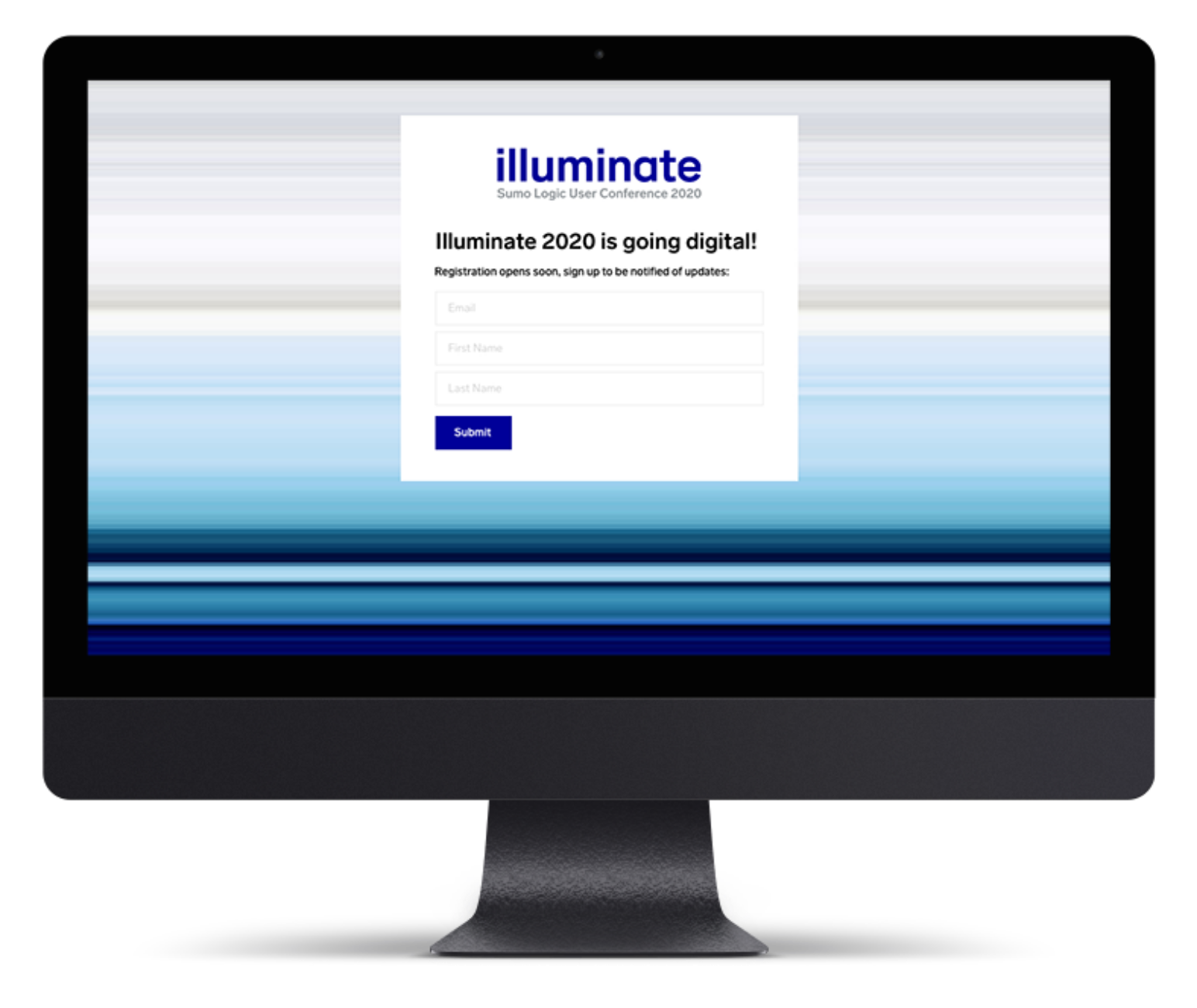
Think of the attendee’s task: find a session, save it, watch it, perhaps arrange a conversation afterward. Each step is ordinary. Their relationship is the design problem. An attractive opening page is of limited comfort if the next action is hard to find. That is the useful connection between event graphics and interface work: both must help someone move through an unfamiliar place.
A design brief measured in feet
The physical side of Jaguar’s business supplies a good counterweight to the software story. At Cisco IMPACT FY23, held in 2022, Jaguar created environmental graphics. The production brought together several companies: Cisco’s internal brand team developed the identity and on-site branding, TENCUE handled overall creative and session production, George P. Johnson worked on the event experience, and Sans Serif helped coordinate visual guidelines and digital experiences.
Those credits matter. Large events are assemblies of specialist work. Jaguar’s place in this one was specific, and the result depended on the pieces agreeing with one another. A visual system had to remain recognizable while moving across suppliers, formats and the different experiences of people attending in person or remotely.
Reported results for the installation at the collaborative event; not a measure of Jaguar’s individual contribution.
A Shared Stories Gallery at that event made the relationship between space and participation tangible. A frame-like structure stood 23 feet tall and 46 feet wide. Inside were screens showing colleagues’ social posts. The reported interactions describe people doing something within the environment, giving the design a purpose beyond providing a background for photographs.
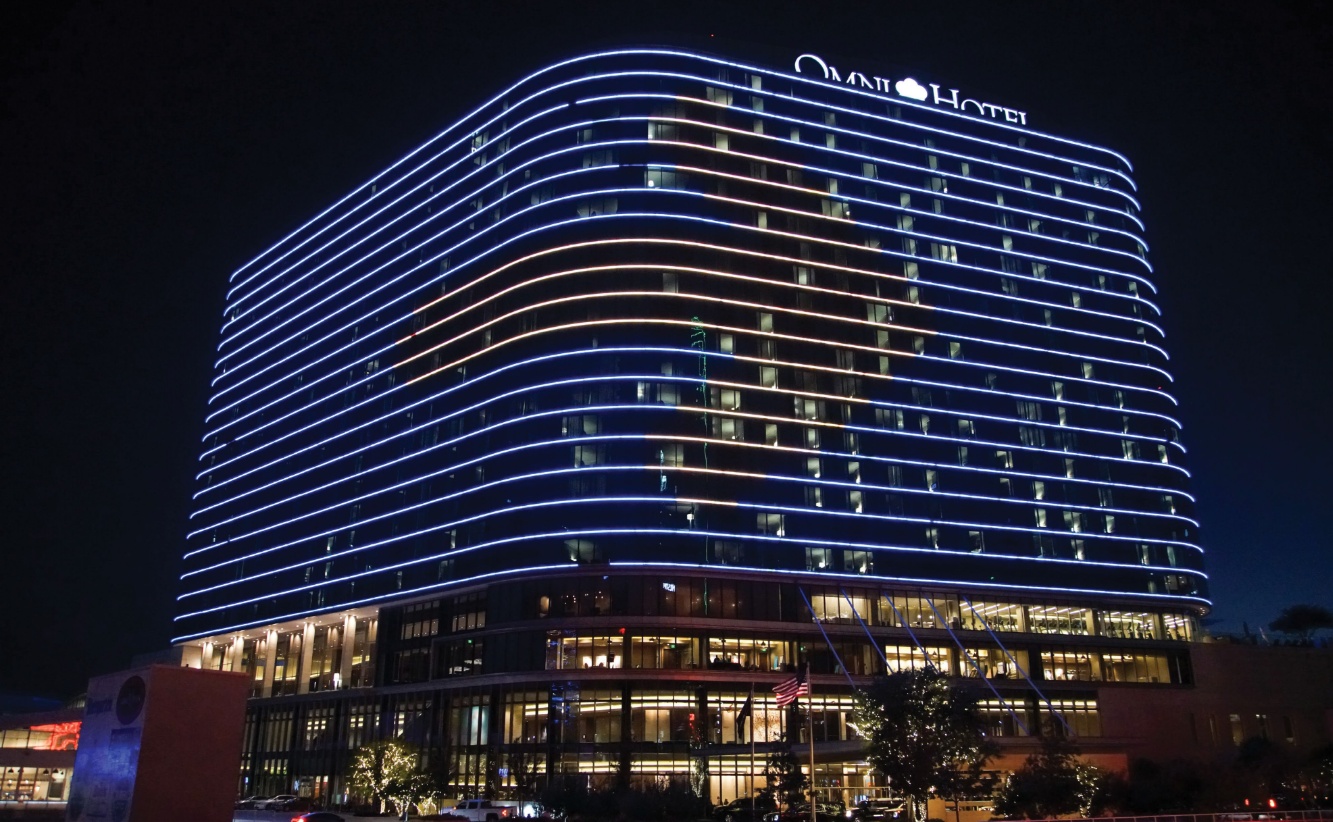
Jaguar’s own portfolio moves from print work to hotel-scale event environments, alongside custom applications, virtual spaces and stages. The scope is broad, but there is a coherent buyer underneath it: the marketing or event team trying to make a brand feel consistent wherever an attendee encounters it. A sign, a page and a stage each have their own practical constraints.
The people who make the handoffs work
Jaguar’s company profile dates its founding to 1999 and places it in Aptos, California. Its design work includes websites, mobile applications, print collateral and environmental graphics. Listed clients include Charles Schwab, Cisco, Docusign, Sumo Logic, VMware and TripActions. That mix places the company in corporate communications and events, with both creative and technical responsibilities.
The recruiting material gives the more revealing description of its expertise. A web developer brief asks for collaboration with the in-house design team, participation in client meetings and travel to support event deployments in the United States and abroad. It names Rails, React and database skills. The developer is expected to understand the brief and help the tools function where they are used.
There is also a small joke hidden in plain sight. Applicants are directed to open the browser’s JavaScript console for application instructions. It is a modest test of comfort with the tools of the job, and a more memorable introduction than another upload box.
On the physical side, an environmental designer role describes layouts, wayfinding, material choices, production specifications and installation support. The work moves from concept to documentation to the venue. Read together, the two briefs suggest a studio organized around getting designs into use. The handoff to production is part of the job.
Sometimes the answer is a larger campus
By April 2025, Jaguar was among the vendors helping with Docusign Momentum25 at New York’s Pier Sixty. The event’s expansion required a venue configured as a broader campus, with room for an extensive expo. Solis Collective, Opus Agency and BW Events were also credited. The event included 15 sponsors integrated into the program and 173 attendees at Partner Day.
For a prospective customer, this is a useful way to understand the business model. Jaguar sells expertise applied to a particular event or communication problem, with custom digital work extending what the studio can deliver. Its relationships can run through a larger production team. An agency with overlapping capabilities may be a collaborator on one assignment and an alternative supplier on another.
Arrive
Wayfinding
Registration
Participate
Sessions
Meetings
Continue
Content
Reporting
Count the second event, too
The lesson I would copy from Sumo Logic is to count future uses before choosing the platform. A team commissioning a recurring conference has a different problem from someone arranging a single presentation. Reusable design and functionality can be more valuable when there are several audiences and dates ahead. That is an inference from the customer’s decision, rather than a promise that custom work is always cheaper.
For buyers, the useful comparison is the full brief: implementation, content preparation, integrations, rehearsal, support and changes between events. A custom approach asks people to make decisions together. If the event is simple, the schedule is short and an existing product already handles the required journey, the additional coordination may buy very little. The case for Jaguar becomes stronger when the physical environment, visual identity and digital experience need sustained attention together.
There is one last item in its record that makes this range easier to remember. In 2013, Graniterock credited Jaguar with illustrating Engine Number Ten, Rose Ann Woolpert’s children’s book about quarry steam engines. It combined archival photographs and original drawings. Long before the browser became a venue, there was a train story to make legible. Different audience, different scale, same practical question: how do you help someone enter the story?
Step inside
See the studio’s work, explore the platform, or follow its public channels.