A letter arrives at a British postal address. Someone opens it, scans it, decides which customer it belongs to, stores the paper, and makes the image available online. If a parcel arrives instead, the chain changes: it may need to be recorded, stored, repacked and forwarded across a border. At each step there is a chance for the thing itself, or the information about it, to go astray. This is the sort of problem Internet Soft gets paid to translate into software.
- Internet Soft builds custom business systems and apps, with public examples in mail, fleet operations, inventory, retail and payments.
- Its MyUKPost brief describes a six-person team working for eight months; its Traxroot brief describes nine people over twelve months.
- The company also markets developer teams and its own restaurant POS offering. Project prices are negotiated rather than published.
For MyUKPost, the company says it built a web platform combining mail scanning, document archives, forwarding and integrations for eBay and Amazon parcels. The published project sheet lists six team members, eight months, and a stack that included .NET, C#, SQL and JavaScript. Those details are more illuminating than the usual agency vocabulary. A scanned envelope is useful only if it lands in the right account; an account is useful only if a customer can act on it. The software has to carry the chain all the way through.
01 / The shape of the workOne company, many back rooms
Internet Soft was founded in 2010 and lists its headquarters in San Francisco. It calls itself a full-cycle software development firm. That phrase covers a broad commercial menu: custom applications, mobile development, cloud migration, interface design, dedicated engineers, AI, banking and blockchain. The website also promotes a 15-day trial for some developer-hiring services. Its business, in plain terms, is to sell engineering time and delivery expertise to organizations that need a system built, connected or repaired.
The portfolio makes that wide remit tangible. In one case, Internet Soft says it moved Schneider Electric's legacy inventory system to AWS, using services including Lambda, S3, DynamoDB and Step Functions. The project sheet specifies ten people over one year. Inventory sounds like a column of numbers until a supplier needs to know what is in stock and a warehouse needs to trust the answer. Moving the database is only part of the job; moving the surrounding habits is the difficult part.
For Traxroot, a fleet management project, the company's brief lists nine team members and twelve months. The specified system tracks vehicles, fuel, driver behavior, geofences and maintenance. It is a map with consequences: a speed alert has to reach someone who can respond; a maintenance prediction has to connect to an actual service schedule. That is what distinguishes an operating tool from an attractive dashboard.
Project scopes are taken from Internet Soft's published briefs. They suggest labor involved, not fees, billable hours or independently audited outcomes.
02 / What buyers actually buyScope has a price, even when the price is private
No public contract value accompanies those case studies. Yet the briefs do answer a more useful early question: how much coordination might this require? A six-person, eight-month project is not a weekend redesign. The team has to understand a business process, choose where human judgment stays, build the software, connect outside services, test failures and help people adopt it. The headcount and calendar are not a quote, but they help a buyer see why custom systems are expensive before a salesperson says a number.
Internet Soft's customer base crosses sectors. Its own case pages name MyUKPost, Traxroot, Schneider Electric, Newegg and DosMastres. It markets to startups and enterprises, and says its team serves clients in more than ten countries. On its company page it describes 265 qualified experts and two development centers. These are the firm's own figures; the relevant buying question is which people would work on a particular job, and what authority they would have when a requirement changes.
“A thorough understanding of our customers’ needs, priorities and expectations.”Internet Soft's stated approach to client relationships
That sentence, from the company's own description, sounds conventional until you picture a mailroom. Requirements are easy to agree on at the level of “customer portal.” They become interesting when an envelope has no matching name, or a parcel arrives damaged, or the forwarding address changes after processing has begun. An experienced software partner earns its fee in those exceptions. The copyable lesson for any buyer is to map the awkward cases before approving the elegant screen.
“We need digital transformation.” The phrase gives the project ambition, but no test for completion.
“This item must be recorded, assigned, scanned, reviewed and forwarded.” Each step can be specified and checked.
03 / The commercial wrinkleA service firm with a product habit
Internet Soft is largely a custom development business, but its restaurant work shows another impulse. In 2022 it announced a collaboration with payment technology company MagTek for a restaurant point-of-sale system using Magensa technology. In 2024 it announced Pays POS, a platform intended to consolidate orders from delivery apps in a single dashboard, with menu synchronization, driver tracking and reporting. The company describes integrations with Grubhub, Uber Eats and DoorDash. It is a neat example of the same handoff problem in a new uniform: three order channels, one kitchen.
That move matters because product software and project software live by different economics. A bespoke client can pay for a feature only it needs. A product must serve many restaurants without asking each kitchen to change its habits for the software. Internet Soft's public materials establish the launch announcement and described features, but they do not publish enough adoption or revenue data to judge the product's market position. The interesting point is the design problem itself. An order aggregator has to make several platforms behave like one working day.
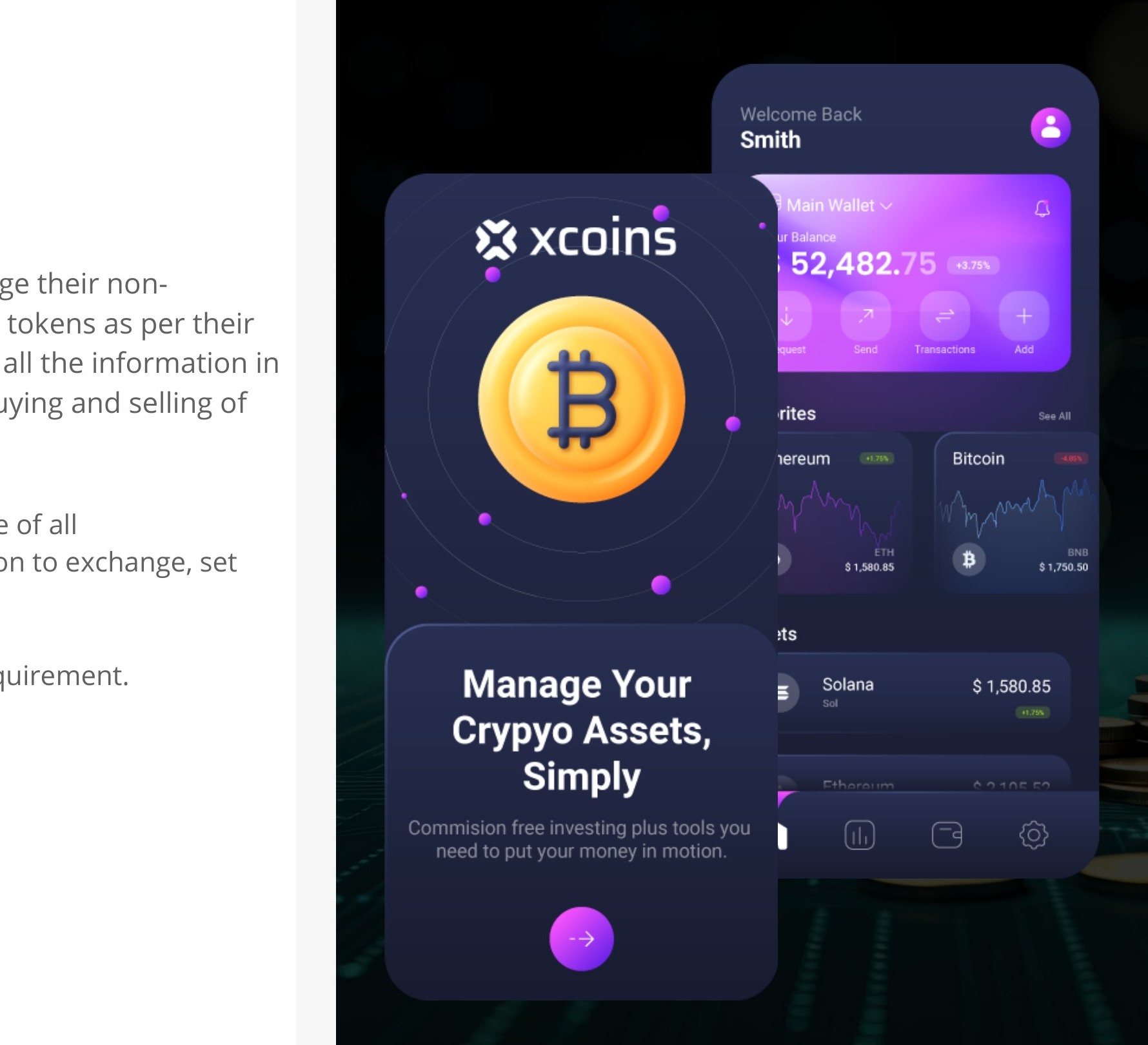
The same breadth appears in fintech and banking materials, which range from wallet interfaces to a bank operating system framework. Their visual polish makes a point, but not the entire point: a regulated business needs records, controls and interfaces that survive mundane use. The brochures show what the company offers and how it presents the work; a buyer still needs to establish what shipped, what was proposed, and which results can be confirmed.
04 / The useful skepticismLook for the seam in the case study
Case studies are sales documents, and Internet Soft's are no exception. One DosMastres account says that broad fashion search terms were hard to win, so the team looked for topics with search demand but less editorial competition, then connected articles to products. That is a specific change of mind worth borrowing: distinguish the contest for advertising clicks from the contest for useful content. The company reports higher organic traffic, but gives no clean baseline in the public writeup. The method can be copied; the magnitude of the result cannot be assumed.
There are also signs to read carefully. The Traxroot page includes a passage about a different retailer's Magento migration, apparently carried over from another case. That does not erase the fleet brief, but it is a reminder to ask for a live demonstration, a client reference and a clear statement of the team's role. A portfolio can show range; it cannot replace due diligence. The most persuasive details are often the least theatrical ones: a named workflow, a defined stack, the size of the team, and the time it took.
Where does Internet Soft fit? Between the internal team that knows a business intimately but may lack spare engineering capacity, and the off-the-shelf software that is fast to buy but may not match an unusual process. It competes with other development consultancies and with hiring engineers directly. Its advantage, when the right team is assigned, is the ability to bring design, engineering and integration work together across industries. Its disadvantage is the same breadth: a broad menu is no guarantee of deep expertise in every item on it.
The best way to use a firm like this is therefore concrete. Bring a workflow, not an adjective. Name the exceptions. Agree on who owns data and decisions. Ask for milestones tied to working behavior, not merely finished screens. The web is full of software that looks like transformation in a presentation and like an extra chore on Monday morning. Internet Soft's most interesting projects are reminders that the actual prize is smaller, tougher and far more valuable: the next handoff works.