In 2018, a longtime Interactive Health customer explained why it was leaving. The benefits FAQ was unusually generous. Interactive Health had been a strong partner for ten years. Staff and families had made progress. Participation in annual testing was already high. And yet LSS wanted something else: more engagement throughout the year. A good screening day, it turned out, could leave a great many ordinary Tuesdays untouched.
- Interactive Health connected workplace screenings to individual health goals and coaching.
- Employers bought the program; employees and eligible spouses participated.
- The company reported a million employees served in 2017, then closed in June 2020.
That small administrative document provides a useful entrance to a company usually described in much larger numbers. Interactive Health promised employers a way to make workforce health measurable and actionable. Its eventual closure also made something else measurable: the disruption when the organization holding a wellness program together disappears.
A blood test with a next step
The company’s beginning was modest. Jim Banks founded Interactive Health Solutions in his garage in 1992, according to the foundation that bears his name. The business grew around an employer problem: how to help people notice health risks before those risks became more expensive, more disruptive problems.
Its answer combined services that can sound mundane when listed separately. Take blood pressure. Draw blood. Collect a health history. Give the participant results. Then use those results to determine what happens next. Interactive Health called its proprietary clinical intelligence engine ActiveEngine. It assigned an achievable goal based on the individual’s results and measured subsequent improvement.
- 01MeasureScreening + health history
- 02Set a goalIndividual results guide the target
- 03Follow throughCoaching + digital activities
The distinction mattered. A general instruction to live better asks the employee to supply both the motivation and the plan. Interactive Health supplied a more specific starting point. Its offer combined clinical assessment, goal-setting and support rather than stopping at a questionnaire or a collection of exercise tips. Coaching, online courses and team challenges gave the annual evaluation somewhere to lead.
The employer paid. The employee had to care.
This was a business sold to organizations, with a second audience inside each account. Benefits teams needed administration and information. Participants needed a reason to show up. Health plans, brokers, consultants and third-party administrators helped connect the service to employers’ wider benefits arrangements.
A Blue4U booklet illustrates the exchange. Members received a confidential wellness profile, a personal health score and a goal for the next annual evaluation. Employers could receive completion information and use aggregate data to plan education, while individual test results remained outside the employer’s view. The separation was part of how the program was presented to participants.
Incentives made the arrangement tangible. Union County, Ohio’s 2019 benefits guide described a 600-point target for enrolled employees and spouses seeking a subsequent premium discount. The health evaluation accounted for 300 points. Other activities included workshops, challenges and steps. At Seattle Pacific University, a February 2020 bulletin advertised screenings with Cigna and Interactive Health as free to eligible employees and spouses. Participation terms belonged to the employer’s benefits design.
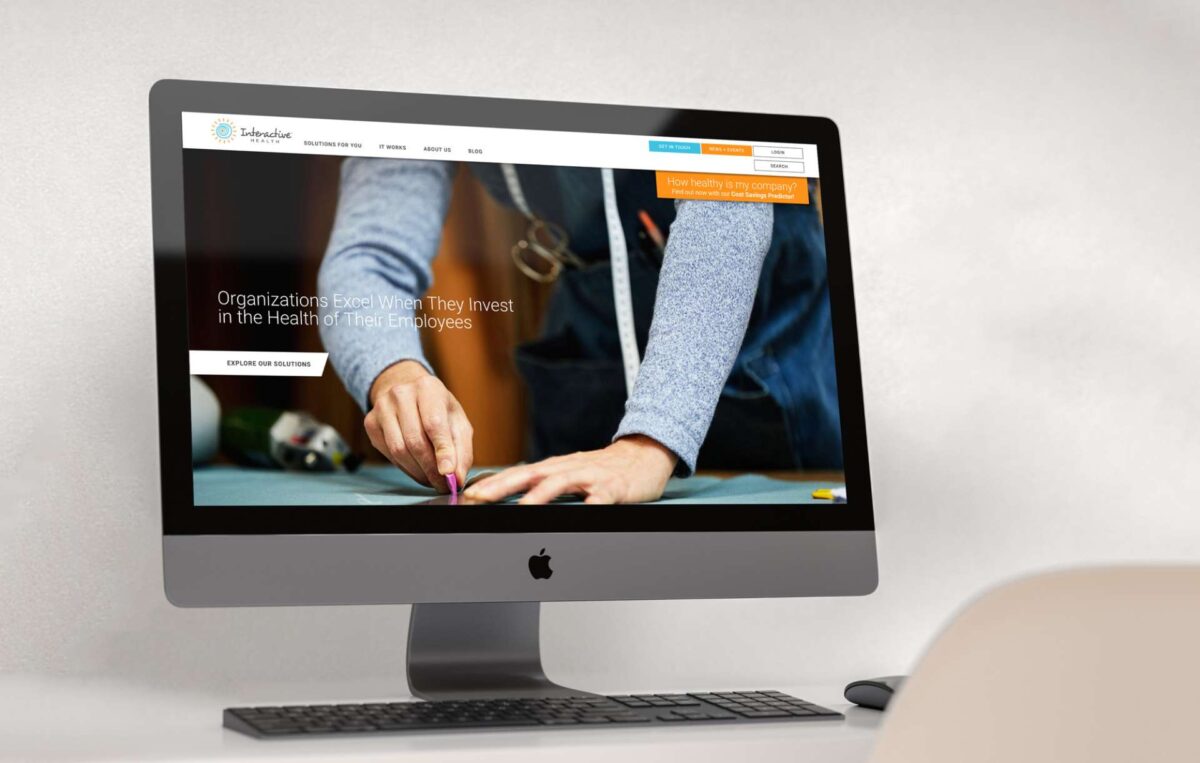
For the buyer, the useful unit was the whole program. Screening generated information, the portal organized activities, and the incentive gave participation a consequence in the benefits package. That also created several ways to disappoint a customer. A program could administer testing competently and still lose ground if another vendor made the intervening months more appealing to employees.
Growing the machinery
Expansion required more than software. Screenings needed people, places and coordination. In March 2014, Interactive Health acquired Health Solutions, broadening its onsite wellness business. The announcement described a combined footprint across the United States, Canada, the United Kingdom and Turkey. CIT subsequently announced an $80 million senior secured credit facility supporting the acquisition.
CI Capital Partners, which had acquired Interactive Health with management in 2011, announced a sale agreement with FFL in July 2015. The purchase price was undisclosed. That month, BMO Harris announced $145 million in senior credit facilities. These were financing facilities, not a published price for the company or a tally of venture investment.
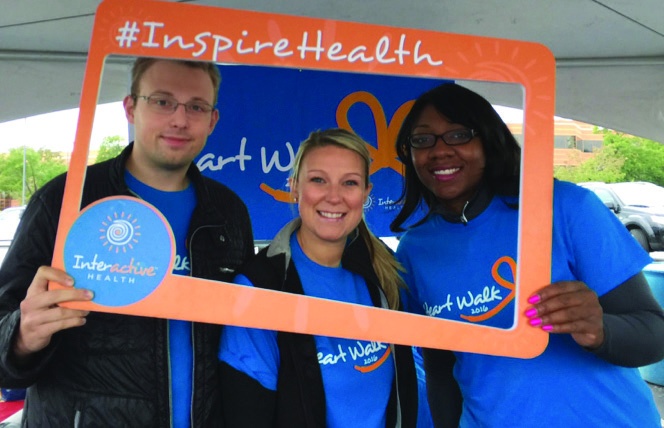
By August 2017, when Bill Goldberg succeeded Cathy Kenworthy as chief executive, Interactive Health reported serving employees in all 50 states. Inside its own workforce, it ran an “Inspire Health, Lead the Way” program. A HERO case study described leadership participation and the use of employees’ experiences to pilot services. The company was also a customer of its own idea.
The score needs context
Recognition helped make progress visible. In April 2019, Interactive Health named 151 employers to its Healthiest Companies in America list for 2018. Qualification required at least 70 percent participation and low overall workforce health risk. Of the honorees, 111 had won before. Nature’s Sunshine had appeared every year through the award’s twelfth edition.
Those criteria describe a selected group of engaged, relatively healthy workforces. They should not be read as a controlled experiment establishing what would happen at any employer buying the service. The distinction is useful for anyone purchasing wellness programs: attendance, changes in risk and financial savings answer different questions. A pleasing number can be accurate while answering only one.
“Interactive Health served its clients well for many years with a talented workforce of wellness professionals.”Sam Salbi, FitLyfe, June 2020
The same discipline applies to the customer’s side of the bargain. LSS’s departure was not a verdict that screening had no value. Its explanation described progress and a desire to preserve participation while adding engagement. For a benefits team, that is a more useful purchasing test than a slogan: decide which part of the employee experience needs to improve, then judge the vendor against that need.
Then the connection broke
On June 14, 2020, Interactive Health Solutions filed for Chapter 7 bankruptcy in Delaware. Later that month, competitor FitLyfe said the company and its affiliates had ceased operations, leaving clients without access to program software, tools and data. FitLyfe offered rapid onboarding and restoration of population health data where available. A wellness purchase had become a continuity problem.
There are practical ideas here worth copying: connect measurement to a personal next step; make participation understandable; keep employees engaged between screenings. The LSS decision shows the limit of treating annual participation as sufficient. The closure adds another purchasing question. Before committing a workforce to a platform, ask how records and services will move if that provider exits. The next screening matters. So does who will be there to run it.
Explore the company’s trail
Historical company channels and further reading.