A parked car has a problem. Gasoline evaporates whether anyone turns the ignition key or not. Somewhere between the fuel tank and the atmosphere, that vapor needs somewhere to go. Ingevity supplies a material that gives it a temporary home: activated carbon. Later, the captured fuel can be purged toward the engine. An ordinary car contains a small lesson in materials science. Sometimes the useful invention is the thing nobody remembers to look at.
- Carbon captures fuel vapor and helps purify industrial streams.
- Evotherm lets asphalt producers lower mixing temperatures.
- Recent divestitures make old descriptions of Ingevity misleading.
A parked car has a problem
Ingevity occupies the space between raw chemistry and finished equipment. It sells to component makers, paving contractors and industrial formulators. Those buyers need a particular result: fewer escaping hydrocarbons, workable asphalt, a coating with the right properties. The company’s business is making the ingredient behave reliably inside somebody else’s system.
Its Nuchar carbons come in powders, granules and engineered shapes. Automotive canisters need pores suited to fuel vapors, low resistance to airflow and carbon that releases captured gasoline during purge. Ingevity says its materials have met durability requirements in more than one billion canisters worldwide. That figure describes cumulative use, rather than cars currently on the road.
The competitive advantage is partly institutional memory. Automotive customers must meet emissions requirements over a vehicle’s life. A cheaper ingredient has to survive that obligation. Ingevity competes with suppliers including Norit and Kuraray; its argument is a history of performance, plus application engineering. Historical filings name customers such as MAHLE and Korea Fuel-Tech. The consumer rarely sees this commercial relationship.
There is an obvious boundary. Carbon in a gasoline canister addresses evaporative emissions. It does not remove tailpipe carbon dioxide. A battery-only vehicle has no gasoline tank to ventilate. The value of this business depends on the vehicles being built, their fuel systems and the rules those systems must satisfy.
The road recipe
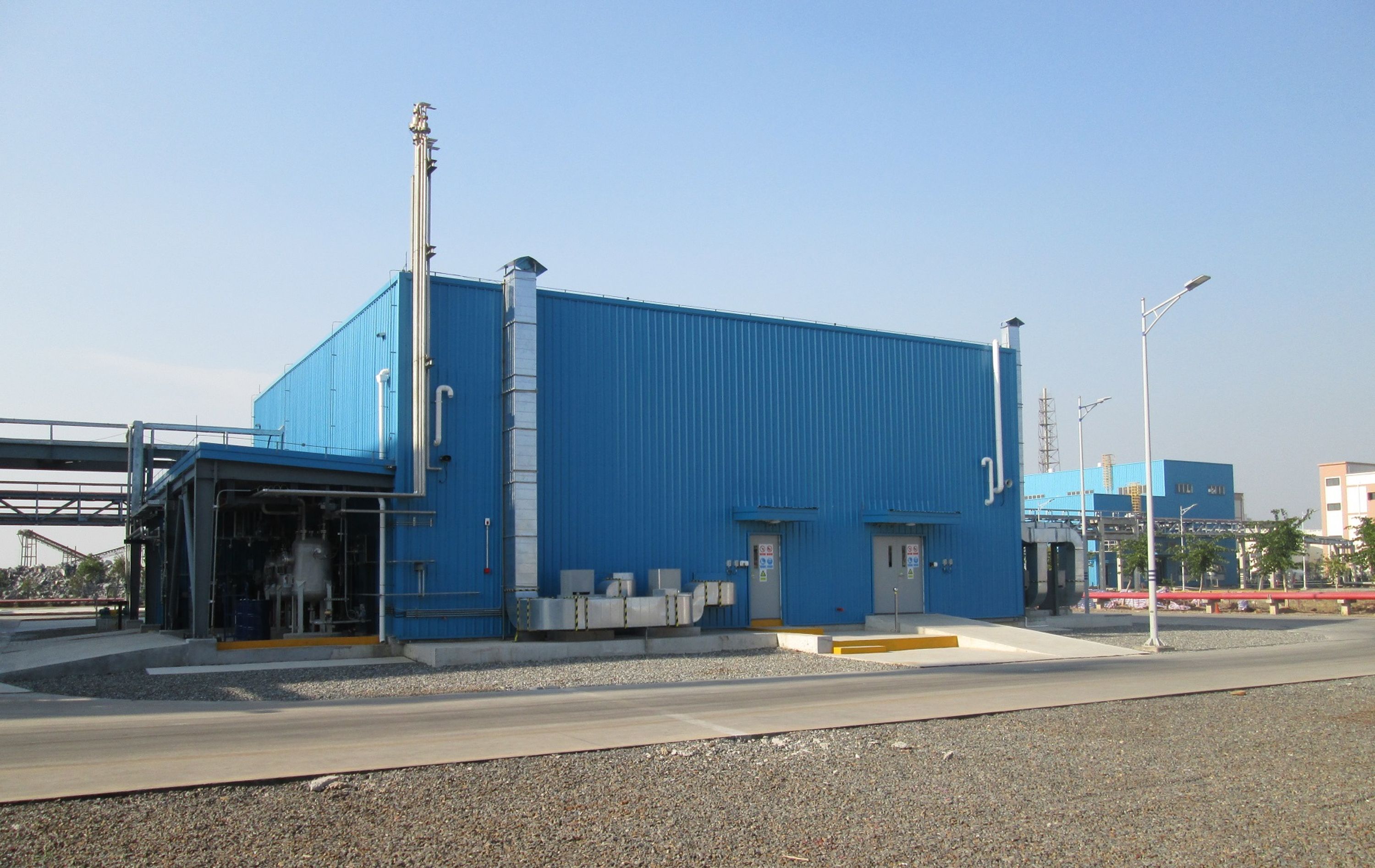
Consider another familiar system: a road. Conventional hot-mix asphalt needs heat for production and placement. Ingevity’s Evotherm additive improves adhesion and workability so producers can reduce temperature. Its product literature describes reductions of up to 90°F against conventional hot mix. The interesting unit of invention is a dose of chemistry inside an existing process.
For a contractor, the sales pitch becomes a calculation. Lower heat can reduce fuel consumption; improved workability can help compaction and hauling flexibility. The additive costs money, too. A sensible comparison includes dosage, delivered price, plant fuel, recycled material and project requirements. Ingevity supplies value and dosage calculators, rather than a universal retail price that would mean little across different jobs.
Its own startup instructions reveal the discipline behind the promise. Warm the plant normally, then lower production temperature gradually. Watch motor loads. Check aggregate coating. Keep baghouse temperatures above the dew point. If coating falls below the specified threshold, increase temperature. The person who copies the method should copy those checks along with the headline benefit.
A 2015 company account gives a modest example. John G. Walton Construction first tried Evotherm on private work, introduced through an existing liquid antistrip system. After that trial, the contractor converted several Alabama transportation-department mixes and lowered temperatures further. The transferable move is to test a material in a bounded job before changing the routine.
“We’re here to improve the world through innovations that purify, protect and enhance.”Ingevity’s IngeviWay purpose
The expensive change of mind
Ingevity became an independent public company in 2016 through a WestRock spinoff. Its heritage in paper-industry chemistry made renewable materials a natural foundation. But renewable feedstock still has competing buyers. Crude tall oil, a pulping coproduct, became more expensive as the biofuels market affected demand. Rosin markets were cyclical. The company’s earlier economics were under pressure.
In November 2023, management announced the DeRidder plant closure and further restructuring. It estimated approximately $280 million in charges, including about $180 million of noncash charges. The announcement affected roughly 180 plant employees and another 120 people in business and support functions. The price of changing direction included jobs, equipment and commitments that could not simply disappear.
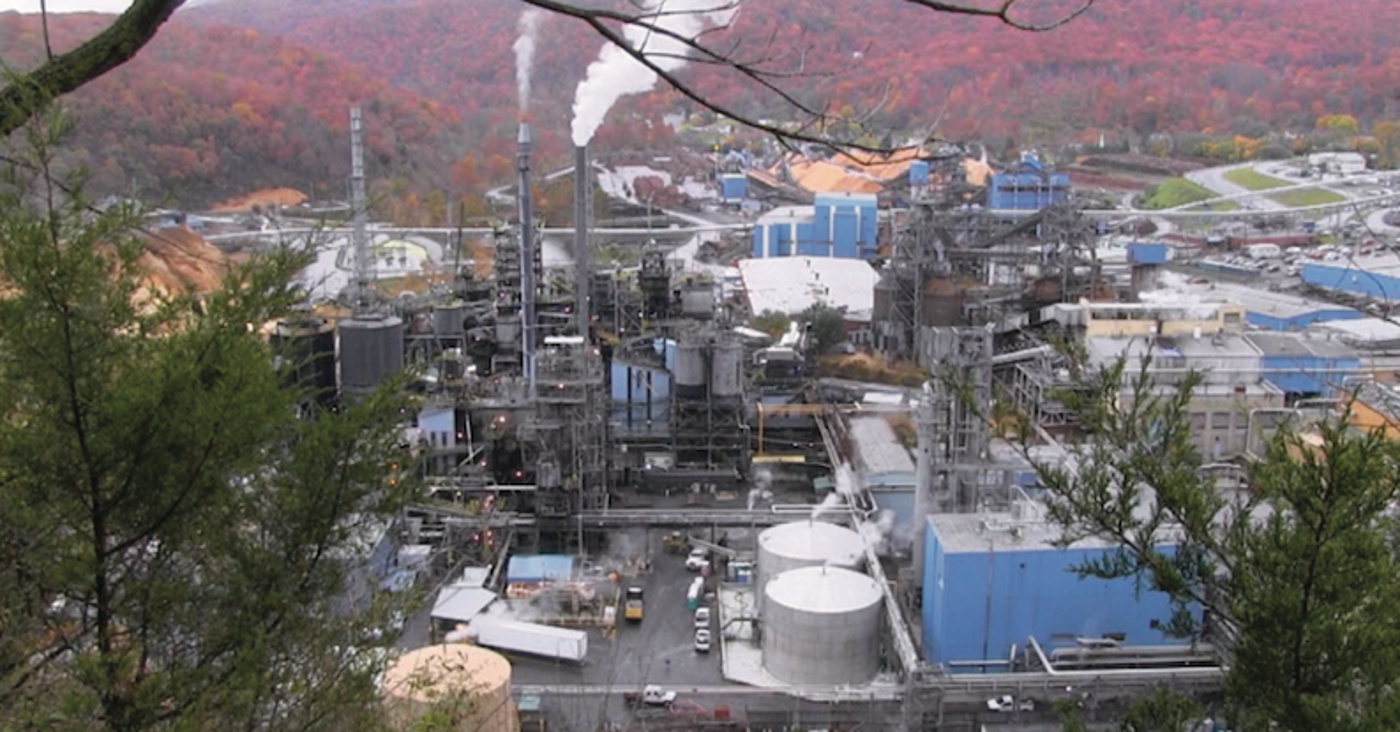
The retreat continued. In January 2026, Ingevity completed the sale of its North Charleston refinery and most Industrial Specialties products to Mainstream Pine Products. Road Markings followed in April; second-quarter reporting put net proceeds at approximately $63 million. Pavement Technologies remained. So did lignin-based dispersants. A broad list of historical products now gives the wrong picture of what the company owns.
There is a distinction here for anyone copying the strategy. A useful chemistry can sit inside an unattractive business when feedstock costs move faster than selling prices. Selling the refinery changes that exposure; it does not invalidate the products it once supplied. Ingevity’s reset makes the economics of each remaining application easier to examine.
A smaller portfolio, a longer test
The financial picture needs the same care. Second-quarter 2026 continuing-operations sales were $314.1 million, down 5%. Excluding Road Markings, sales rose 5%. Both statements are true. Net income from continuing operations was $39.8 million. Adjusted EBITDA margin reached 36.6%, a company-reported non-GAAP measure that should not be confused with net profit margin.
Net income was approximately 12.7% of sales. Bars use the same dollar scale.
Its stated culture, the IngeviWay, puts safety, customers and technical creativity together. On a chemical site, those ideas meet in daily decisions: operating equipment safely, keeping specifications consistent and helping a customer adapt a formulation. The laboratory beside a working plant is a useful image of the relationship. Manufacturing and problem solving share a fence.
There are further experiments. Capa caprolactone polymers serve coatings and other industrial formulations, although the company has been evaluating strategic alternatives for that business. A CHASM license opens a route into battery conductive additives. In July, management also highlighted a municipal PFAS-filtration contract. Early commercial evidence is useful; it does not establish the eventual size of a market.
For buyers, Ingevity offers materials and the expertise to put them to work. For other businesses, it offers a practical question: where does a small change in an input improve the entire application? Answering it requires testing, customer trust and attention to the feedstock bill. The parked car and the asphalt plant reward that attention. So does knowing when to sell a refinery.