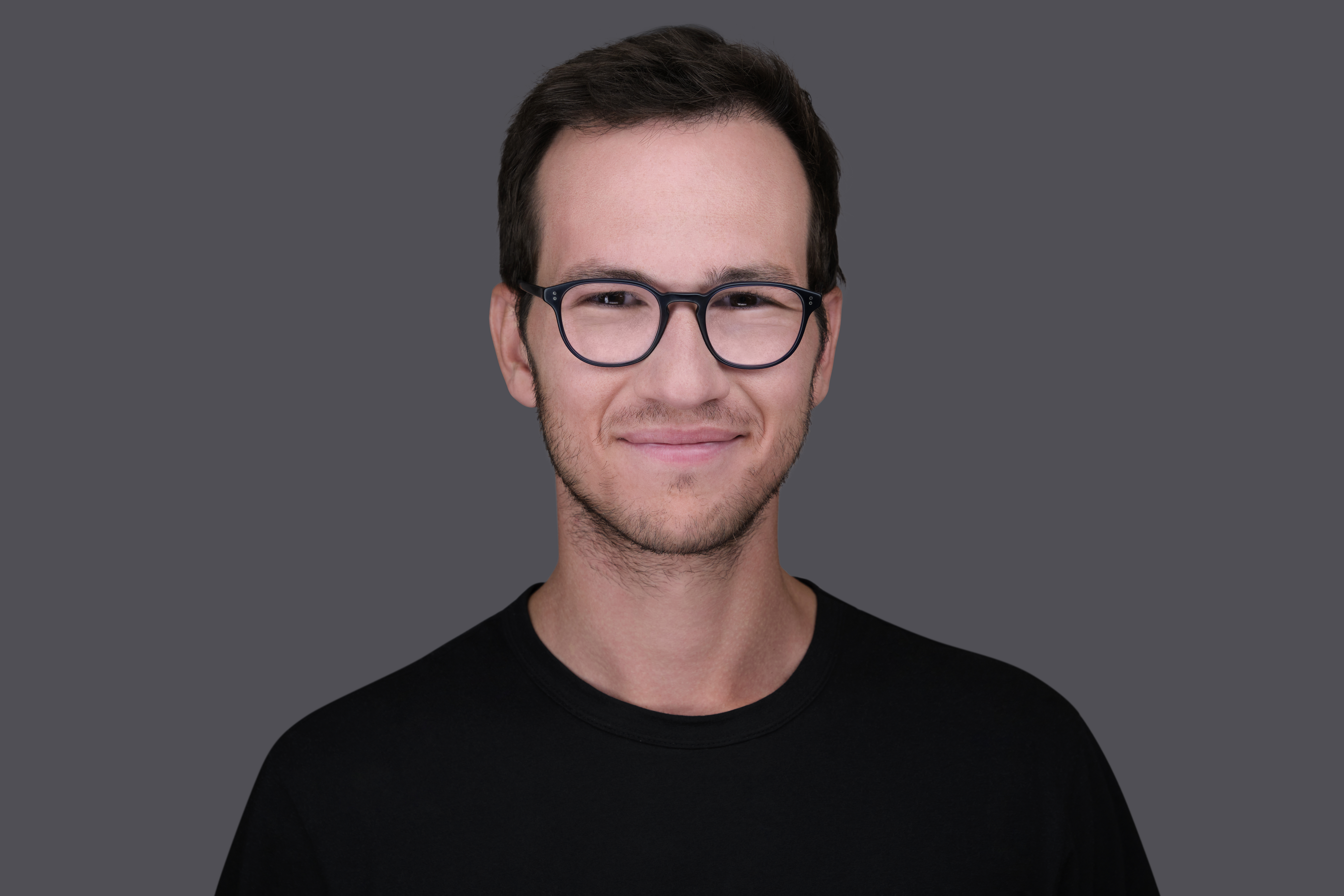
He is already building his next company. That is the first thing to know about Henrique Dubugras. The $5.15 billion acquisition of Brex by Capital One closed on April 7, 2026 - the largest fintech buyout by a traditional American bank - and within months, his LinkedIn profile flipped from "Chairman, Brex" to a single word: Stealth. The LinkedIn post announcing it received 2,370 reactions before most people had finished their morning coffee.
The second thing: everything about Dubugras contradicts the Silicon Valley script. He is Brazilian. He learned to code not in a coding bootcamp or AP class, but because his mother refused to pay the subscription fee for a Korean online role-playing game called Ragnarok when he was 12 years old. He decided that if she would not pay, he would build the thing himself. He did. Then he monetized it. His first product was a private game server. His first business model was in-game purchases. He was twelve.
By 16 he had already launched and shut down a gaming platform (patent infringement - he did not fully understand what that meant yet), won $50,000 at a hackathon with a matchmaking app, and met the person who would be his co-founder for the next decade through a heated Twitter argument about programming languages. He and Pedro Franceschi were two teenage hackers in different Brazilian cities - Dubugras in Sao Paulo, Franceschi in Rio de Janeiro - who disagreed intensely online and became inseparable.
At 17 they co-founded Pagar.me together, a payments startup that press immediately labeled "the Stripe of Brazil." They were in high school. By the time Dubugras was 20 and enrolled at Stanford, Pagar.me was processing $1.5 billion in annual transaction volume, employed more than 100 people, and had been sold to StoneCo for "tens of millions." He arrived at Stanford having already built and sold a real company. He left eight months later.
"I figured out, if I learned how to code, I could play it for free."- Henrique Dubugras, on the 12-year-old logic behind Ragnarok
The Brex origin story is now Silicon Valley legend, but the texture of it matters. Three weeks into Y Combinator's Winter 2017 batch, Dubugras and Franceschi killed their VR startup idea. Not because it was bad - because they realized they did not actually know that world. The pivot trigger was humiliatingly mundane: they could not get a corporate credit card for their new company. They had $120,000 in YC seed funding and no bank would issue them a card without a personal guarantee. They were Brazilians without US credit history.
They looked around at their fellow YC founders and realized: everyone had this problem. Banks wanted the founders to personally guarantee startup debt. That was the broken thing. Brex flipped it: underwrite the company's financial health, not the founder's personal credit score. Pull real-time bank account data. Ditch the personal guarantee entirely. Offer limits 10 to 20 times higher than traditional corporate cards. Design rewards for how startups actually spend - AWS, DoorDash, Uber, Stripe. By 2021, 80 percent of YC portfolio companies were Brex customers.
The unicorn milestone arrived at age 22. The $12.3 billion peak valuation came when Dubugras was 26. Forbes put him on the Billionaires List. Bloomberg ran a story headlined "How Two College Dropouts Built an $860 Million Fortune by Age 23." His Twitter bio remained unchanged through all of it: "Proud Brazilian in Silicon Valley."
There were rough chapters. In June 2022, Brex notified tens of thousands of small business customers that their accounts would close. The backlash was immediate and ugly. Layoffs followed in October 2022, then again - more severely, about 20 percent of the company - in January 2024. The $12.3 billion valuation collapsed. Dubugras was public about the burn rate, the pivot to enterprise, the difficulty. He did not hide in a press blackout. He talked about it.
He also talked about ADHD. "I have a pretty strong case of ADHD," he has said publicly - not as a confession, but as context. He can hyper-focus on problems he cares about and struggles deeply with everything else. He barely finishes two books a year and used to feel insecure about it when he compared himself to other founders. He stopped comparing. He identified his superpower - intense focus on a specific problem, high charisma, the ability to build and maintain a co-founder relationship that lasted a decade - and went all in on it.
In June 2024, he handed Pedro Franceschi the solo CEO role and became Chairman. The company was heading toward an IPO. Organizations at that scale, he said, need clear accountability. By October 2024 he launched "HD in HD" - Henrique Dubugras in High Definition - a podcast where he has long unscripted conversations with founders and executives: Dara Khosrowshahi from Uber, Max Levchin from Affirm, Sebastian Siemiatkowski from Klarna, Vlad Tenev from Robinhood, Marcos Galperin from MercadoLibre. He is genuinely curious about how other people think. The podcast feels like that.
Capital One's acquisition of Brex closed on April 7, 2026. The deal was worth approximately $5.15 billion - a meaningful discount from the 2022 peak, but an extraordinary outcome for a company that started because two Brazilian founders could not get a credit card. Franceschi stayed as CEO under Capital One. Dubugras, now 30, is building something new. He says it addresses a problem that is "technically, operationally, regulatory, and financially complex." He says he found his calling. He is looking for a founding CTO, in-person, Bay Area.
"At 12, he built a private Ragnarok server to avoid paying a subscription. At 16, he met his co-founder through a programming argument on Twitter. At 21, he couldn't get a credit card. At 22, he was a unicorn founder. The whole thing started because his mom said no."
From São Paulo to Silicon Valley
Age 12. His mother refuses to pay for Ragnarok Online's premium tier. He downloads college-level programming textbooks from the internet and builds a private server of the game. Then monetizes it. His first business runs on a Korean MMORPG and adolescent determination.
Age 14. Builds a gaming platform that grows large enough to receive patent infringement notices - a legal concept he barely understands. His mother shuts it down. Second lesson: size brings attention.
Age 16. Wins $50,000 at a hackathon with matchmaking app AskMeOut. More importantly: gets into a heated Twitter argument about programming with a 15-year-old hacker named Pedro Franceschi in Rio de Janeiro. The argument turns into a Skype call. The Skype call turns into everything.
Age 17. Co-founds Pagar.me with Franceschi - a payments company for Brazil's fragmented digital commerce market. Press calls it "the Stripe of Brazil." They are in high school.
Age 20. Pagar.me is processing $1.5 billion in annual transactions and employs over 100 people. StoneCo acquires it. Dubugras enrolls at Stanford University. He is already a successful exited founder on his first day of college. He lasts eight months.
Age 21. Applied to YC as a VR startup called "Beyond." Three weeks in, they pivot. The trigger: they cannot get a corporate credit card despite having $120,000 in YC funding. Brex is incorporated January 3, 2017.
Age 22. $57 million Series A followed months later by a $125 million Series B valuing Brex at $1.1 billion. Unicorn status. Peter Thiel, Ribbit Capital, and Y Combinator are investors.
Age 26. Forbes Billionaires List. Brex peak valuation: $12.3 billion. Also: controversial SMB exit, layoffs, backlash. He joins Expedia Group's board. Bloomberg had called it an "$860 million fortune at age 23" back in 2019 - the number is now much larger, then much smaller.
January: Brex lays off 20% of staff. June: Dubugras becomes Chairman, Franceschi becomes sole CEO. October: Launches "HD in HD" podcast. Brex revenue: $370M ARR and growing. The company turns operating-cash-flow positive for the first time.
Capital One acquires Brex for $5.15 billion - the largest fintech acquisition by a traditional US bank. Deal closes April 7. Within months, LinkedIn: "Stealth." LinkedIn post: "After Brex I had decided I didn't want to start another company. But I found my calling."
The Serial Part of Serial Founder
Founded at 17 with Pedro Franceschi. Solved Brazil's fractured digital payments infrastructure. Grew to $1.5B in annual transaction volume before either founder had turned 21. Microsoft Startup of the Year 2014. Sold to StoneCo.
Born from a YC pivot and a denied credit card application. Became the corporate card of Silicon Valley, serving 80% of YC companies at peak. Raised $1.2B+. Hit $12.3B valuation. Sold to Capital One for $5.15B.
Announced on LinkedIn after the Brex acquisition. "Technically, operationally, regulatory, and financially complex." Recruiting a founding CTO in-person in the Bay Area. He said he wasn't going to start another company. Then he found his calling.
What Brex Became
Corporate cards and spend management for startups and enterprises. Built on the insight that banks were underwriting founders instead of companies. Served 25% of all US startups at peak. Acquired by Capital One in 2026.
I am living proof of the American dream. Even with all the barriers to get to the US, it's still the place where the smartest, most innovative and driven people want to be.
Lean into what makes you great, identify your superpower, and go all in on it, rather than trying to be the second-best version of someone else.
We're not just building a product; we're reimagining the entire financial stack for businesses.
After Brex I had decided I didn't want to start another company. But I found my calling.
The Scoreboard
Strange and Specific
His entire coding career started because his mom refused to pay for a Korean game subscription. He built a free private server instead, then monetized it. The ROI on that parenting decision is incalculable.
He met his billion-dollar co-founder through a Twitter argument about programming when both were 16-year-old teenagers in different Brazilian cities. The debate was allegedly about Emacs vs. vim. Neither was right.
He has ADHD and can barely finish two books a year. He was self-conscious about this compared to other founders. He got over it. The company he built was worth $12.3 billion at peak.
He wanted to go to Stanford because of an American TV show called "Chuck" - a comedy about a computer genius. The show ran from 2007 to 2012. His hero's journey started in a São Paulo living room watching NBC.
Brex was originally a virtual reality startup. It pivoted to fintech three weeks into Y Combinator W17 - the precise trigger being Dubugras and Franceschi's inability to get a corporate credit card for their YC-funded company.
On March 9, 2023 - the day before Silicon Valley Bank collapsed - Brex received a massive, viral influx of panicked deposits from fleeing SVB customers. It was the best brand awareness moment no one planned.
How He Operates
"Try to meet a lot of people that you admire, and don't be afraid to follow up. Don't be afraid to put yourself out there and insist a lot to get someone to do stuff with you."- Henrique Dubugras, on finding co-founders and collaborators