At Pulse-MD Urgent Care, the first problem was embarrassingly ordinary: the telephone rang, and nobody answered. Hello Patient’s account of the New York group’s call data puts the missed-call rate at 26%. A patient could be ready to book, a clinician could have room, and the connection between them could still dissolve into hold music.
- AI agents handle voice, text and chat, plus inbound and outbound workflows.
- The product connects conversations to practice systems, including scheduling.
- Pulse-MD reports zero missed calls and 30% automated resolution in month one.
Hello Patient lives in that gap. Its AI agents answer calls, exchange texts and handle web chat, then carry out administrative work for the practice. The promise is easy to understand: let the front desk attend to the person standing there while another system handles the person calling.
01The portal lost to the phone
Alex Cohen had already tried making healthcare easier to navigate. At Carbon Health, he led consumer and growth product teams and worked on patient communications. The revealing observation was what happened after he built self-service tools. Patients continued to call. As he told Fierce Healthcare in 2024, “they just picked up the phone.” A cleaner interface had not abolished an old preference.
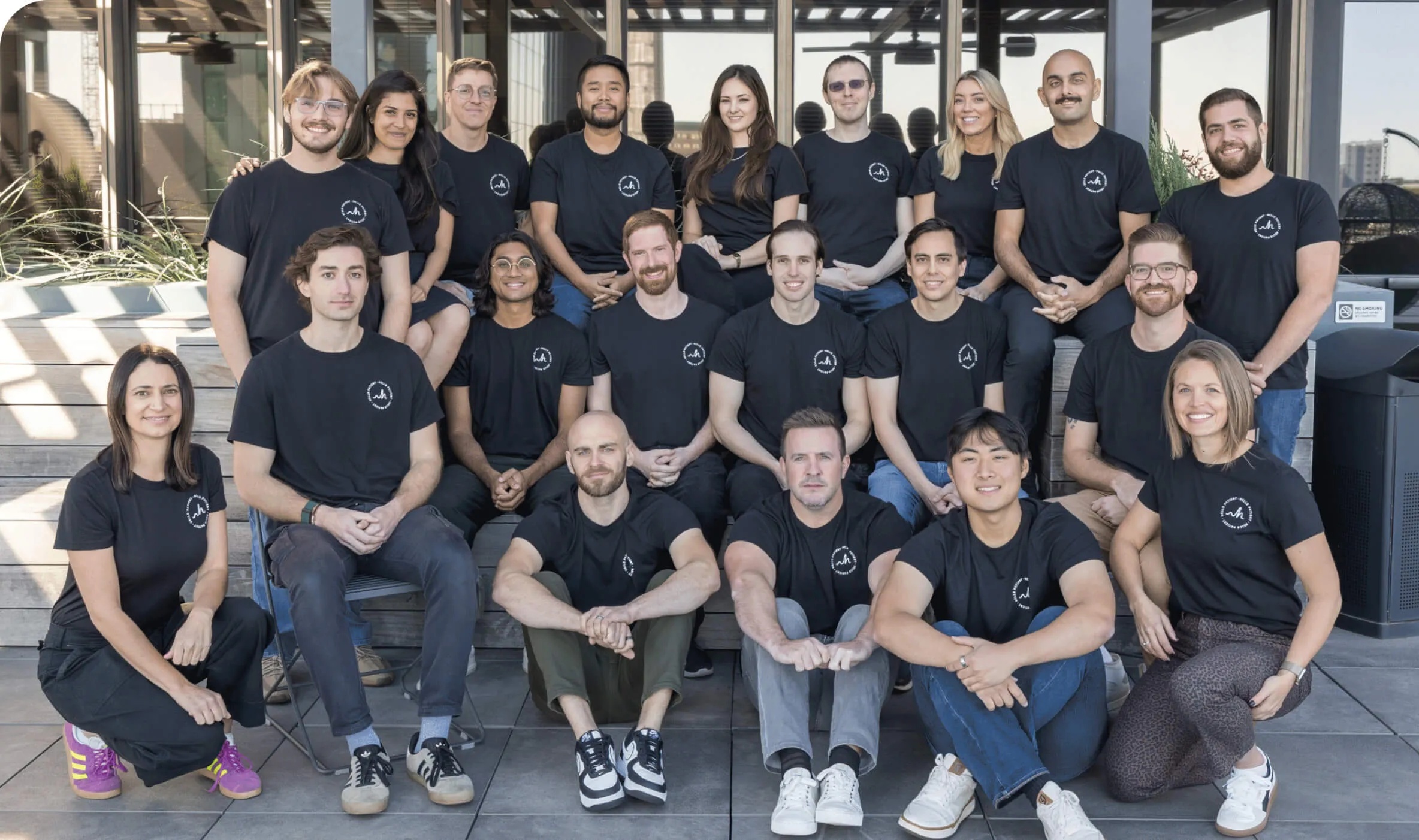
That experience supplied Hello Patient’s starting point. The company emerged publicly in October 2024 with a $6.3 million seed round and a team drawn from Carbon Health. Its founding team includes Cohen, CTO Nick DeRobertis, design lead Taylor Dunham and engineer Rory Roccio.
A patient may prefer a conversation because the question does not fit a form. Hello Patient’s wager is that software can serve that preference instead of trying to train it away.
02A receptionist who can finish the errand
Mia, the assistant visitors can test on Hello Patient’s website, is the public face of a configurable service. Practices can use the agents to book or reschedule visits, collect intake details, answer routine insurance questions, follow up with absent patients and support billing conversations. Inbound coverage catches demand already arriving. Outbound calls and texts pursue referrals, recall lists and patients who have gone quiet.
The important machinery sits behind the voice. An agent needs the practice’s rules and access to its systems. In the company’s Privia Health offering, a native athenaOne connection lets it read the live calendar and write the appointment back. That changes the outcome of the call: the patient can leave with a booking rather than a promise that somebody will return a message.
This is a business product for providers, including urgent-care groups, specialty practices, mental-health providers and consumer-health companies. Named users include Carbon Health, Octave and Pulse-MD. It competes with Assort Health and EliseAI, as well as staffed call centers and answering services. Combining voice, text, chat, inbound work and outreach is central to its positioning; a pleasant voice alone is a thin distinction.
Cohen calls the commercial approach service as software. Hello Patient configures and operates the work, rather than merely supplying another tool. Its FAQ describes usage-based pricing for consumer-health programs. Practice quotes depend on volume and activated workflows; Privia members receive a network discount. Buyers should compare the scoped proposal with their own call workload and the labor still needed after handoff.
03Zero missed calls. Thirty percent resolved.
Pulse-MD provides the useful distinction. Hello Patient reports 4,886 patient interactions in the first month, no dropped, abandoned or missed calls, and 208 staff hours saved. It also reports a 30% containment rate: the share of calls completed without staff involvement. These are company-published results for one deployment, rather than a forecast for every clinic.
The two percentages describe different jobs. Answering gets someone through the door. Resolution completes the errand. A system can do the first very well while still needing people for much of the second. Reading only the zero-missed-calls headline would conceal how the service actually divides the work.
That division is built into the product. Hello Patient says clinical questions go to humans and its agents do not give medical advice. Administrative automation requires somewhere sensible to hand off the conversation. A practice with unclear escalation rules or inaccessible scheduling data would have work to settle before expecting a smooth result.
04A prototype changed the conversation
Octave, the mental-health provider, offers another revealing episode. Its operations leader, Raul Estrada, wanted immediate answers for prospective clients outside office hours, but had concerns about relying on a young company. A functional prototype arrived in under two weeks. In the company’s case study, Estrada says, “This concern went away pretty quickly.” The demonstration supplied something a pitch could not.
Hello Patient’s Octave account reports roughly doubled inquiry-call capacity, implementation in under three weeks and continuing conversation audits. The practical lesson is to pilot a bounded workflow, inspect the calls and improve it. Speed at one customer is not a universal timetable: the Privia offering describes six to eight weeks, including protocol mapping, integration tuning and escalation setup.
The company raised a $22.5 million Series A in September 2025, led by Scale Venture Partners. Together with the reported seed, those two rounds total $28.8 million.
“This concern went away pretty quickly.”Raul Estrada, Octave VP of Operations, after testing a working prototype
05The paperwork behind the voice
In September 2026, Hello Patient acquired Converse Health. The addition follows the administrative trail after a conversation: referral and fax intake, chart-driven follow-up, authorization paperwork, and records and registration. A fax can become a filed referral; an existing instruction in a chart can become follow-up outreach. The acquisition extends the company’s remit into work that previously happened behind the phone queue.
Another piece arrived that summer. Hello Patient announced approved-vendor status with Privia Health in July and said it had received a SOC 2 Type 2 report in June. For practices buying a system that handles patient information, integration and security review are part of adoption, alongside the voice demo.
The copyable idea is modest and useful: follow the unfinished task. Start with the unanswered call, connect it to a real schedule, decide when a person takes over, then examine what remains in the inbox. Hello Patient’s business rests on the distance between making contact and getting something done. There is plenty of distance left.
Hear it for yourself
Try Mia’s live voice and text demo, explore the product, or follow the company’s updates.