The AI company already had HubSpot. That is the detail to keep in mind. In a case study published by Growth Natives, an enterprise software business had market interest, campaign assets, and a customer platform. Yet buyers received generic follow-ups, promising leads stalled, and marketing struggled to connect its activity to sales opportunities. The machine had parts. The trouble was getting them to cooperate.
- Growth Natives joins up CRM, campaigns, data, and delivery.
- Its Growth Pods sell specialist time across several disciplines.
- DiGGrowth turns the same measurement problem into software.
Growth Natives occupies that awkward space between a software purchase and a working business process. The Bellevue agency combines marketing automation, CRM consulting, digital marketing, analytics, design, and development. Its customers include B2B and consumer businesses. The appeal is practical: someone can build the landing page, connect the form, configure the follow-up, and inspect what happened after the click.
01 / THE HANDOFFFirst, fix the conversation
For the unnamed AI client, Growth Natives describes a sequence of repairs. Clarify the ideal customer and product message. Carry that message into landing pages and emails. Connect campaigns inside HubSpot. Send follow-ups based on buyer interest. Establish scoring rules and a clearer route into sales. Then build reporting that links campaigns to opportunities.
The agency reports 65% more qualified leads, 40% more marketing-sourced pipeline, and a 30% reduction in average lead response time. Those are company-published results for one engagement. Still, the sequence is instructive. The breakdown began in disconnected execution and unanswered buyer questions. The proposed remedy reached across copy, systems, and operating rules.
That offers a useful diagnostic for almost any marketing leader. Follow one interested person from the first visit to the first sales conversation. Who owns each transition? What information survives it? Which question does the next message answer? A company can copy that exercise before signing an agency contract.
02 / THE PURCHASEA team, measured in hours
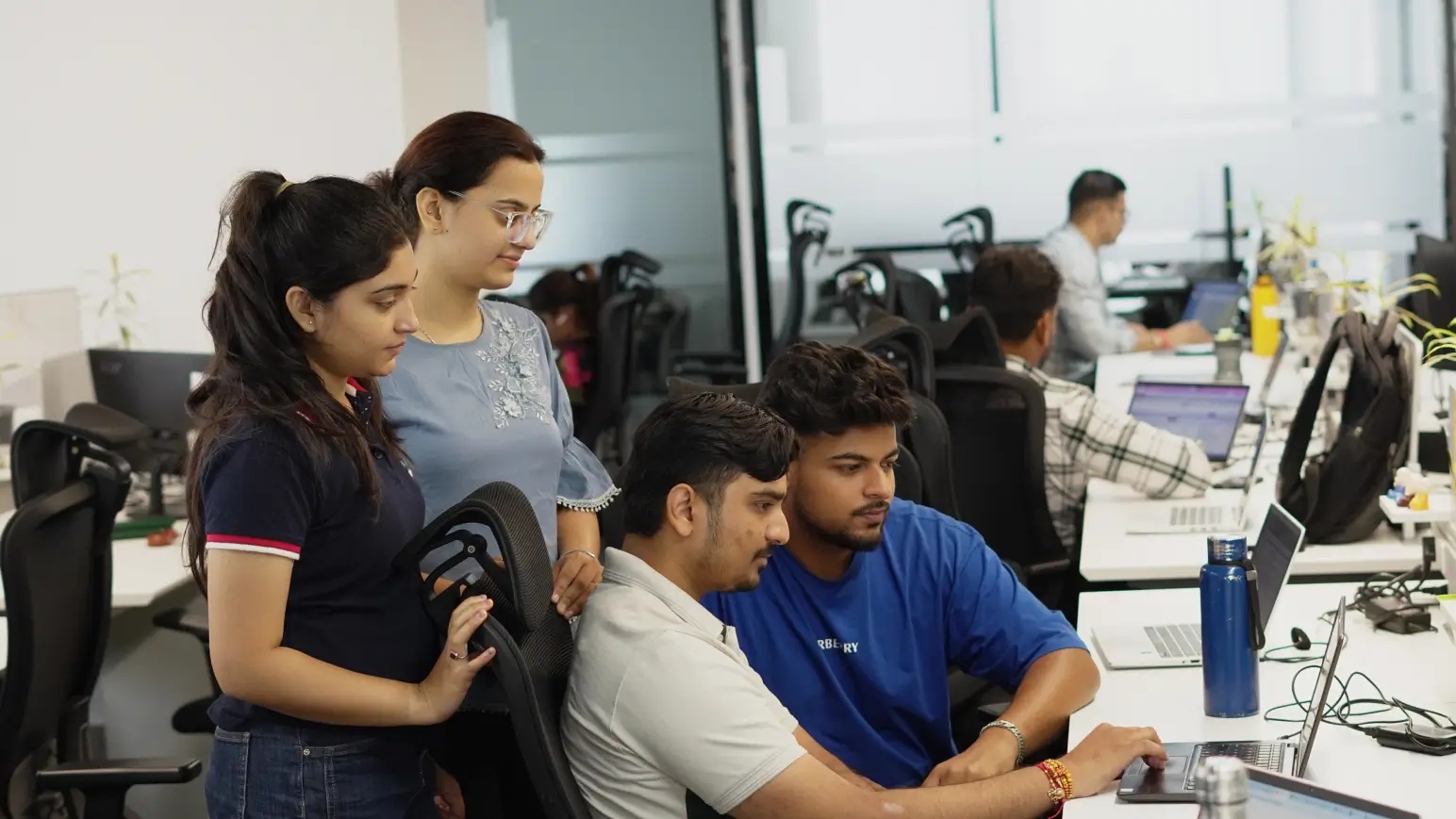
The delivery model gives this breadth a price tag. Growth Natives calls its assembled teams Growth Pods. Clients can combine specialists across marketing, revenue operations, analytics, development, and creative work, using fractional or full-time capacity. The specialists are intended to work inside the customer’s existing tools and routines.
Published packages list $6,000 for 150 hours and $11,000 for 300 hours. Additional hours are $40 each; custom capacity starts at $40 an hour. The arithmetic makes the larger package about $36.67 per included hour. Buyers should establish the billing period, deliverables, and approval rules in their proposal.
Hours can span specialist roles. Published prices observed October 2026.
This is a services purchase: the package buys delivery capacity. For a company with a backlog spanning several specialties, the arrangement offers one place to coordinate the work. Its commercial logic depends on how those hours turn into completed, useful changes.
The surrounding market is crowded. A buyer could hire a specialist HubSpot partner, a Salesforce consultancy, an advertising agency, or an internal revenue-operations team. Growth Natives’ distinction is the combination. Breadth is valuable when the bottleneck crosses departments; a tightly bounded task may need only one expert.
Coordination also needs a contract. In Clutch’s small review sample, clients describe occasional uncertainty over scope and estimates, alongside praise for responsiveness and value. One practical lesson follows: define what completion includes. A working CRM, a documented CRM, and a team trained to operate that CRM are different deliverables. Agreeing on those details gives both sides a better chance of recognizing when the job is finished.
03 / THE PEOPLEThe software still needs operators
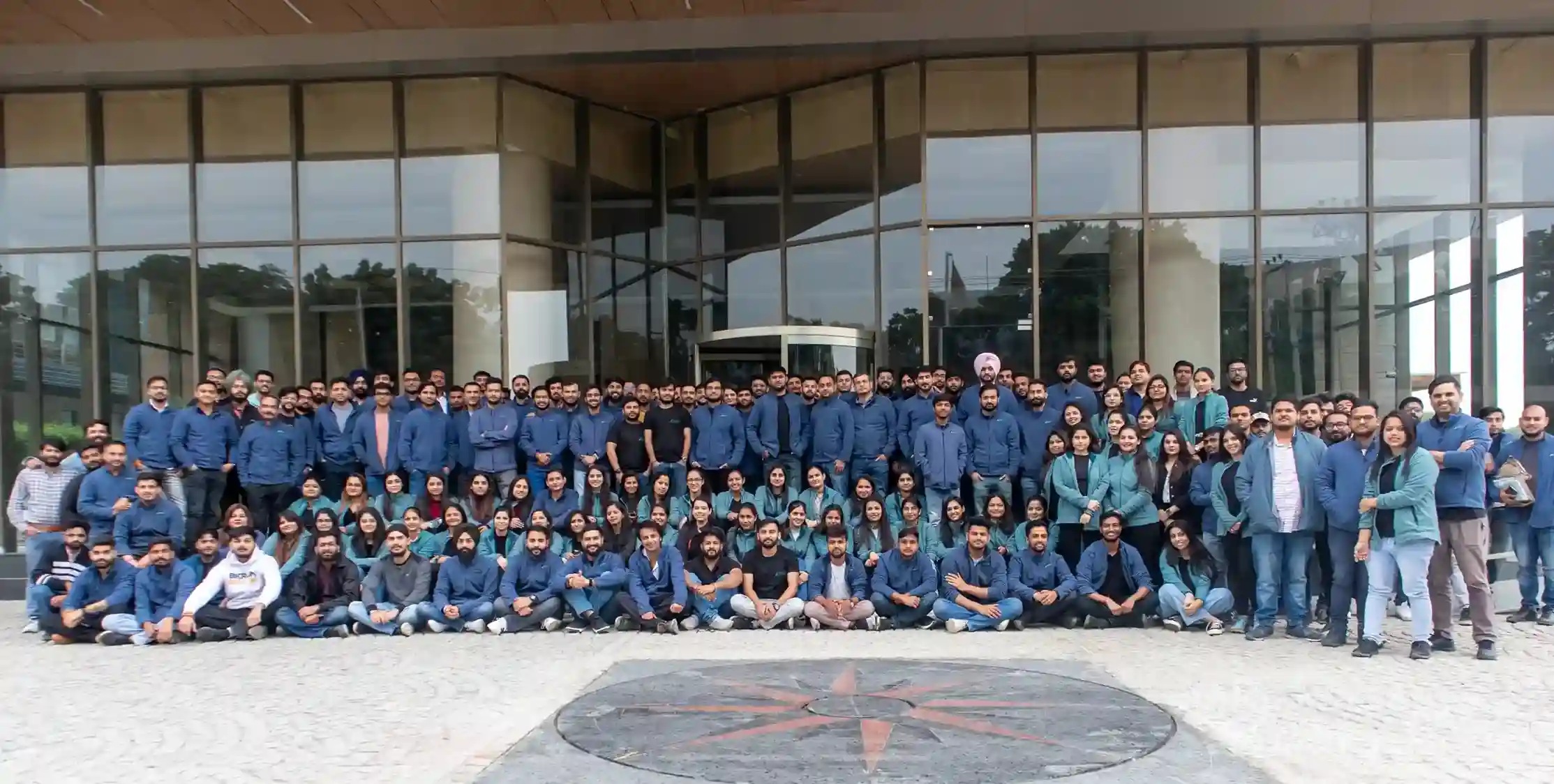
The company’s leadership page names Taranbir Singh Nandha, known professionally as Taran Nandha, as founder and CEO, and Balwinder Kaur as co-founder. Their organization includes leaders responsible for technology, marketing automation, Salesforce, customer success, and analytics. The structure mirrors the multidisciplinary promise made to customers.
There is external evidence of platform experience. HubSpot lists Growth Natives as a Platinum Solutions Partner. Salesforce’s consultant directory displays 45 certified people holding 134 certifications at research time. Those credentials establish platform capability; the quality of a particular engagement still depends on the people assigned to it.
Named customers help explain the buying need. In company-published testimonials, Tourmo describes help with HubSpot and marketing operations; CMO Huddles describes migration and lead scoring; CrowdPharm describes support with automation and contact imports. These are recognizable jobs that remain after the software subscription is paid.
“secret weapon”
Kevin Fliess, Altum CMO, describing the team in a company-published testimonial.
04 / THE NEXT BETTurning the repair into a product
In January 2023, Growth Natives formally launched DiGGrowth, an AI-driven, no-code marketing analytics platform. Its launch announcement describes connectors that bring marketing data together for reporting and attribution. The product grew out of customer measurement problems encountered by the agency. Service work had exposed something repeatable enough to package as software.
Growth Natives has since expanded its AI positioning. It announced an AI Center of Excellence in March 2026, covering readiness assessments, governance, and implementation across marketing, sales, service, and revenue operations. In September, it announced ISO/IEC 42001 certification and ISO/IEC 23894 compliance for AI management and risk practices.
The organization has also reported three consecutive Inc. 5000 appearances: No. 606 in 2024, No. 1876 in 2025, and No. 2432 in 2026. These rankings concern revenue growth over defined periods. They tell us the business expanded; they do not measure whether an individual customer’s campaign worked.
The more revealing account comes from a DiGGrowth webinar with Nandha and analytics leader Arpit Srivastava. They discuss teams questioning new workflows, internal champions, and practical experiments that help colleagues gain confidence. Progress, in that telling, comes through experience with the work. A leadership announcement alone does little to change habits.
That is also the condition a prospective customer should examine. An outside team needs usable data, access to the relevant systems, and colleagues willing to agree on what a qualified lead means. Without those, automation can distribute confusion faster. Start with one broken handoff, give someone ownership, and measure the repair. Growth Natives makes its most convincing case at that scale.