ENCINA began with an ingredient that hardly announces a circular future: coal. Founded in 2016 by David Schwedel, the company planned to extract valuable chemicals from it. Then its engineers tried adding waste plastic. The more they added, the better the output looked. Eventually, the coal disappeared from the recipe. A company contemplating a Wyoming coal-based plant found itself pursuing a different business altogether.
- Waste plastics become chemical building blocks for existing factories.
- BASF, Covestro and AmSty have signed supply or offtake agreements.
- Pennsylvania was canceled; a Gulf Coast commercial project is in development.
The coal company that changed its ingredients
In a 2020 Chemical Week interview, Schwedel described why plastic won. His comparison put a coal-based plant at $550 million, while a plastics facility could deliver the same BTX volume for roughly half the capital cost. These were development estimates, but their influence was concrete: ENCINA abandoned its Wyoming site. The discarded material had become the more attractive raw material.
“With plastics, you can build a 20-ton-per-hour facility at about half the cost”
David Schwedel · Chemical Week, 2020
That origin gives the sustainability pitch an interesting wrinkle. ENCINA’s turn toward plastics followed a discovery about economics. The company’s own history dates the strategic refocus to 2019. Its present mission is to decarbonize the chemicals industry by recovering value from waste streams. The route there began with an engineer’s willingness to change the ingredients.
Familiar molecules, unfamiliar origins
ENCINA’s product vocabulary is gloriously unromantic: benzene, toluene, xylenes and propylene, often abbreviated BTX/P. These are industrial ingredients, upstream of the products people recognize. Covestro’s 2024 supply agreement covers benzene and toluene for chemistry that leads to polyurethane foams and polycarbonate. Follow those materials far enough and you arrive at building insulation, furniture, car seats and electronics.
The company describes a proprietary catalytic conversion process that breaks down waste plastics into chemical feedstocks. Its 2022 engineering announcement calls the technology Plastic Fluid Catalytic Cracking. Refining and separation still matter: Sulzer’s announced contribution included hydrotreating and aromatics extraction downstream. “Single-stage” conversion should not conjure a machine with a rubbish chute at one end and finished chemicals at the other.
- 01Waste plasticsCollected and prepared
- 02Catalytic conversionFollowed by refining
- 03Circular chemicalsIndustrial building blocks
- 04Existing manufacturingNew materials and products
The attraction is compatibility. ENCINA markets its chemicals as drop-in feedstocks meeting familiar industrial specifications. Manufacturers can change a raw material’s origin while preserving the chemistry they depend on. Conventional fossil-derived chemicals remain the incumbent alternative. BioBTX also targets circular aromatics, using a separately described two-step technology. ENCINA competes on conversion, product quality and delivery; familiar molecules alone confer no monopoly.
The supply chain has two ends
There is demonstrated chemistry behind the proposition. In October 2022, ENCINA and Chemex reported production of high-purity aromatics from mixed end-of-life plastics at a San Antonio demonstration facility, including customer deliveries. Chemex’s work on that unit later earned a construction award. That milestone established a tangible intermediate step on the road toward a much larger operation.
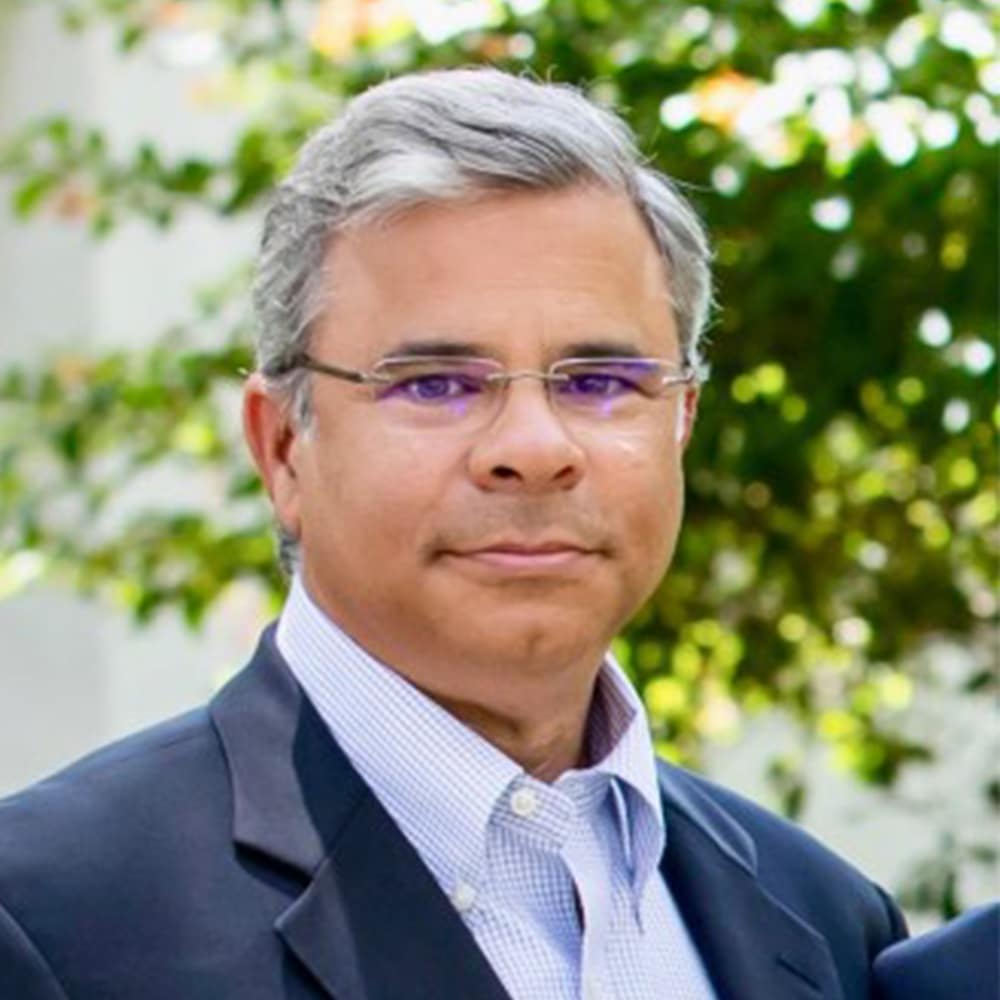

The published team biographies reflect that industrial task. Engineering leader Carlo Badiola previously worked on ExxonMobil processing assets; Shirley Hammond’s published biography describes experience across billion-dollar projects. Procurement expertise matters just as much. A reactor needs dependable inputs, and a chemical buyer needs dependable deliveries. Those requirements turn a recycling technology into a logistics business as well.
Shaw Industries agreed in 2023 to supply more than two million pounds of carpet manufacturing waste annually. Blue Planet’s 2024 global memorandum of understanding proposed sourcing hard-to-recycle streams for future facilities. One agreement concerns a specific manufacturing residue; the other reaches toward international sourcing infrastructure. Both address the same practical question: where will tomorrow’s feedstock come from?
A billion dollars buys a proposal, too
In 2022, ENCINA announced a Pennsylvania facility with a $1.1 billion proposed investment and planned capacity to process 450,000 metric tons of plastic waste annually. That figure was a construction ambition. Separately, it announced $55 million in committed equity financing, including a $32 million private placement, alongside $20 million described as earlier financing. Corporate capital and the price of an industrial plant occupy different columns.
Announced in 2022. Construction canceled in 2024.
A planned budget, not verified money spent.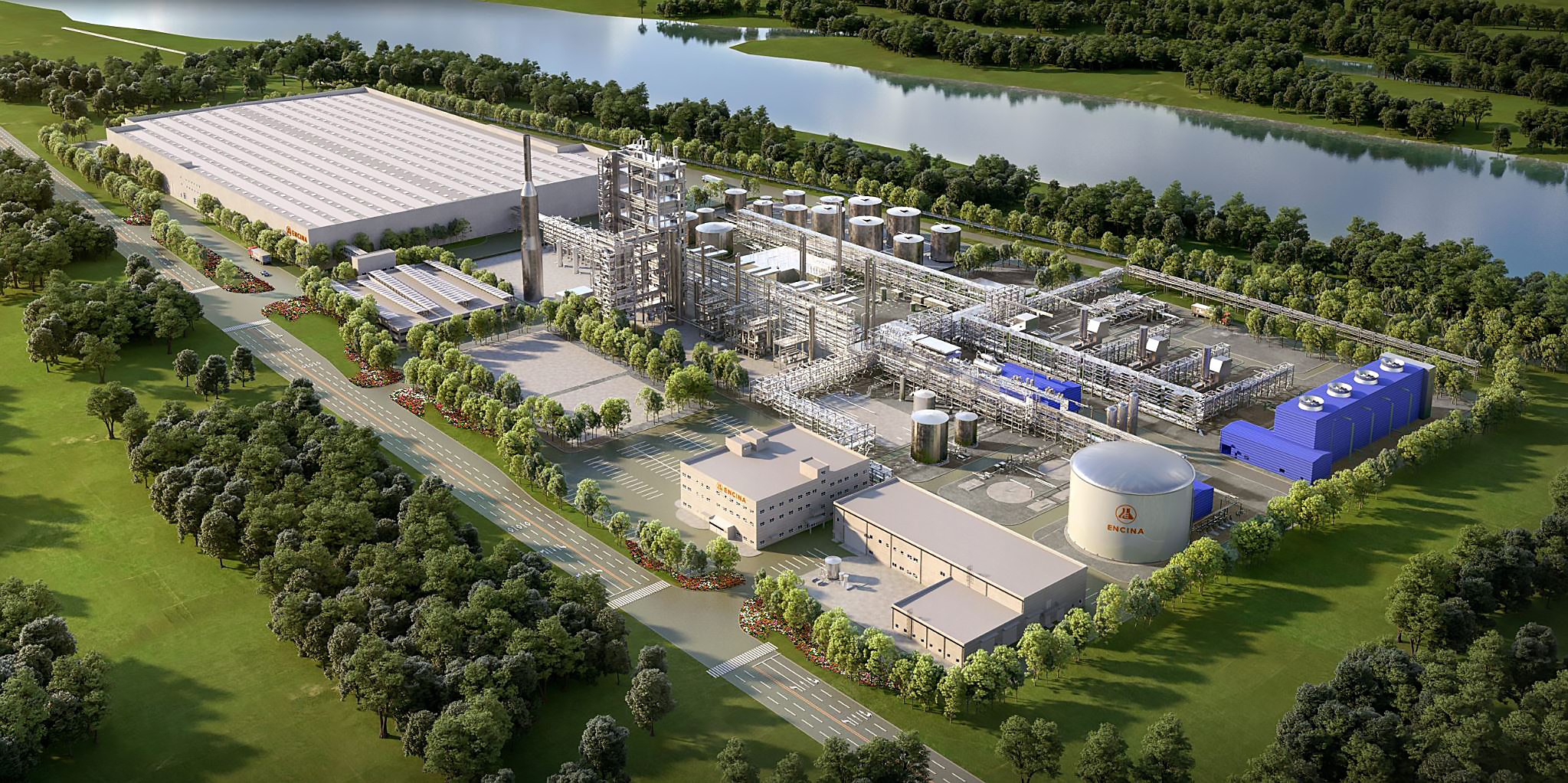
On April 18, 2024, ENCINA canceled Point Township construction. It said customer demand required a rethink of plant scale and that other markets better served its objectives. Inside Climate News reported permitting difficulties and growing local opposition, including concerns about pollution and resource use. Those accounts deserve to remain separate. Neither establishes a single technical failure as the definitive cause.
The abandoned project also left a financial dispute. Resource Recycling reported in March 2026 that engineering consultancy Rettew had obtained a $492,000 consent judgment in January and subsequently sought sanctions. ENCINA had disputed the underlying bills, alleging performance issues. The episode adds a less glamorous expense to the development story: litigation after the construction plan ends.
A buyer gets closer to the blueprint
Commercial interest survived Pennsylvania. BASF signed a long-term benzene supply agreement in June 2024. In 2026, the relationship expanded into project collaboration: advisory support on procurement strategy and execution planning ahead of a final investment decision for ENCINA’s planned Gulf Coast facility, plus rights to potential participation in future projects, including equity. Optional participation is different from an investment already made.
The Gulf Coast proposition brings the project closer to chemical customers, transport infrastructure and industrial utilities. ENCINA’s business model remains supplying chemical manufacturers through long-term agreements. BASF’s Ccycled portfolio uses certified mass-balance attribution: recycled inputs are allocated to products through audited accounting. A label therefore describes an attributed share, rather than tracing a particular recovered molecule into every finished item.
For a purchasing team, that distinction makes the paperwork part of the product. Specifications answer whether a feedstock works; certification answers how its circular origin is recorded. Neither question replaces the other. The appeal of ENCINA’s approach is that it offers a route into existing supply chains, where buyers already know what benzene must do and can scrutinize how it was made.
The part worth borrowing
For manufacturers, ENCINA offers a potential route to circular inputs without redesigning familiar products. For developers, its history suggests a useful discipline: test the feedstock assumptions, respect customer specifications, and assemble supply, demand and site acceptance together. The economics must also survive energy costs, financing and operating reality. Recycling ambitions become credible when the material, the factory and the surrounding community can all live with the arrangement.