A construction programme can look reassuringly tidy. Coloured bars march across a screen. Dates line up. Then procurement produces a different schedule, the design team reports against another, and somebody on site asks which version is supposed to be real. At contractor Seddon, that was the problem: people were reporting progress, but they were not reporting it consistently.
That untidy gap is good territory for Eleco. The British software group sells tools for planning work, estimating its cost, managing building information and maintaining assets after handover. Its appeal becomes clearer when you follow a project through those jobs. Someone has to price it, sequence it, record what happened and keep the equipment working. Eleco wants a place at each of those desks.
The company that stopped pouring concrete
Eleco’s history begins in 1895 with the Gilbert Arc Lamp Company. The business later adopted the name Engineering and Lighting Equipment Company, supplying the syllables behind Eleco. Its industrial past included structural systems and cable trays for the Channel Tunnel. Software arrived through acquisitions, including Asta Development in 2006. In 2013, it disposed of its remaining building systems and precast concrete operations.
The connection is more interesting than the age. Eleco moved from products used to assemble buildings to information used to organise their assembly. Today’s group serves contractors and property teams, but also maintenance departments and manufacturers whose daily concerns include equipment availability, spare parts and inspections.
Even the name is catching up. A May 2026 announcement set out the transition from the customer-facing Elecosoft brand to Eleco, starting in June. Familiar product names remain. For buyers encountering both websites and email domains, the change explains why the same software can arrive wearing different corporate labels.
First, get everyone to agree on Tuesday
Seddon offers a useful view of the work behind the software purchase. Its technical manager, Michael Crawford, led a six-month review in 2016. The company already used Asta Powerproject. The weakness was the inconsistent way business units reported progress, alongside separate documents covering design, procurement and other activities. The resulting One Programme initiative brought Elecosoft into the process.
“But none of that information talked to each other.”
Michael Crawford, Seddon
The customer account describes collaboration on Asta Enterprise and a mobile reporting tool based on SiteProgress. An agreed baseline gave teams a common starting position. Fortnightly site updates could feed the programme. The transferable lesson is procedural: agree who owns an update, what it means and when it is due before expecting a shared system to produce agreement.
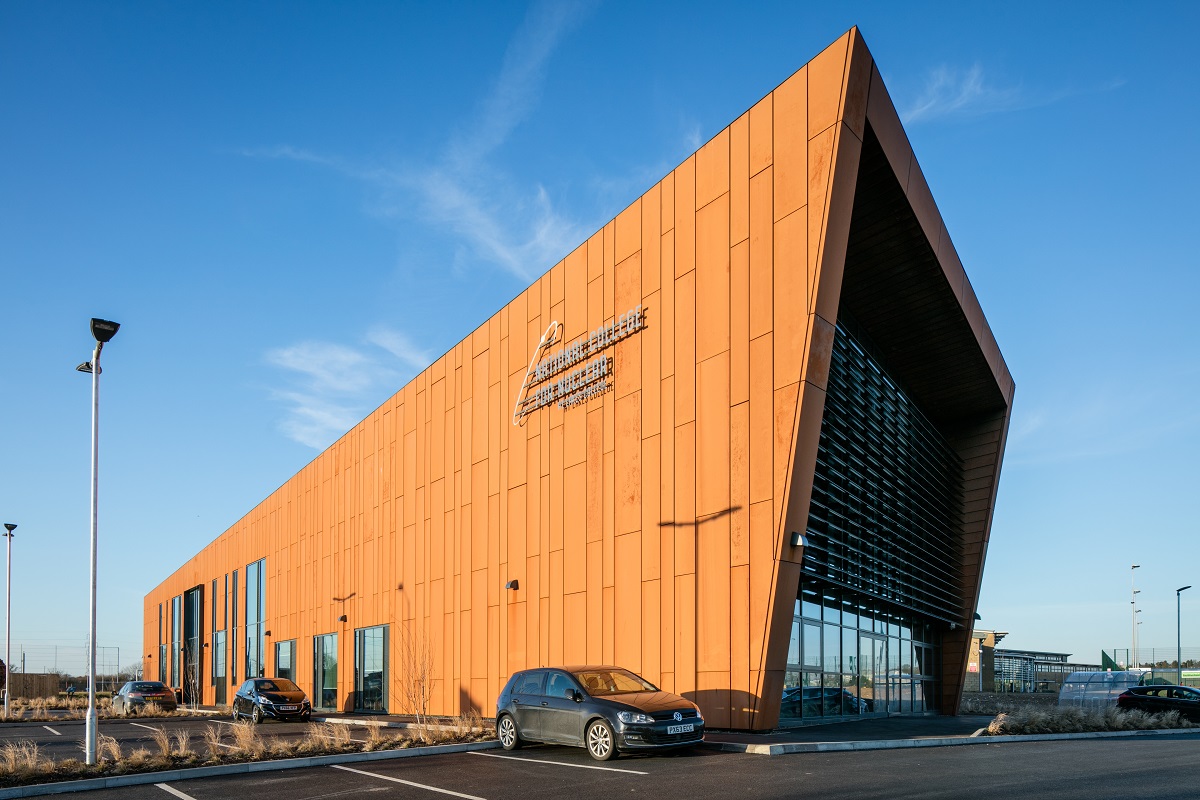
A second example comes from Hill & Wilkinson in Texas. Its team began with one Powerproject licence, tested it on successive jobs and expanded usage. The contractor described running roughly 30 to 35 projects simultaneously. Schedule validation helped people question changes and identify a time-and-cost issue that supported a request for an extension. It is a customer testimonial, but the adoption pattern is sensible: try a real job, examine the output, then widen access.
A toolbox with a very specific audience
Asta Powerproject handles schedules, resources and costs. Planners can compare alternative sequences and communicate the consequences of a change. Its optional 4D capability links programme activities with building-model information, giving timing a visual dimension. Asta Vision provides shared oversight, while SiteProgress brings updates back from the people doing the work.
Eleco says Powerproject supports more than 100,000 professionals. Its place in the market is specialist construction planning. Oracle Primavera P6 and Microsoft Project are relevant alternatives; Powerproject also supports exchanging their files. That matters because contractors rarely get to dictate every tool used by clients, consultants and subcontractors. Compatibility deserves a practical test with actual project files.
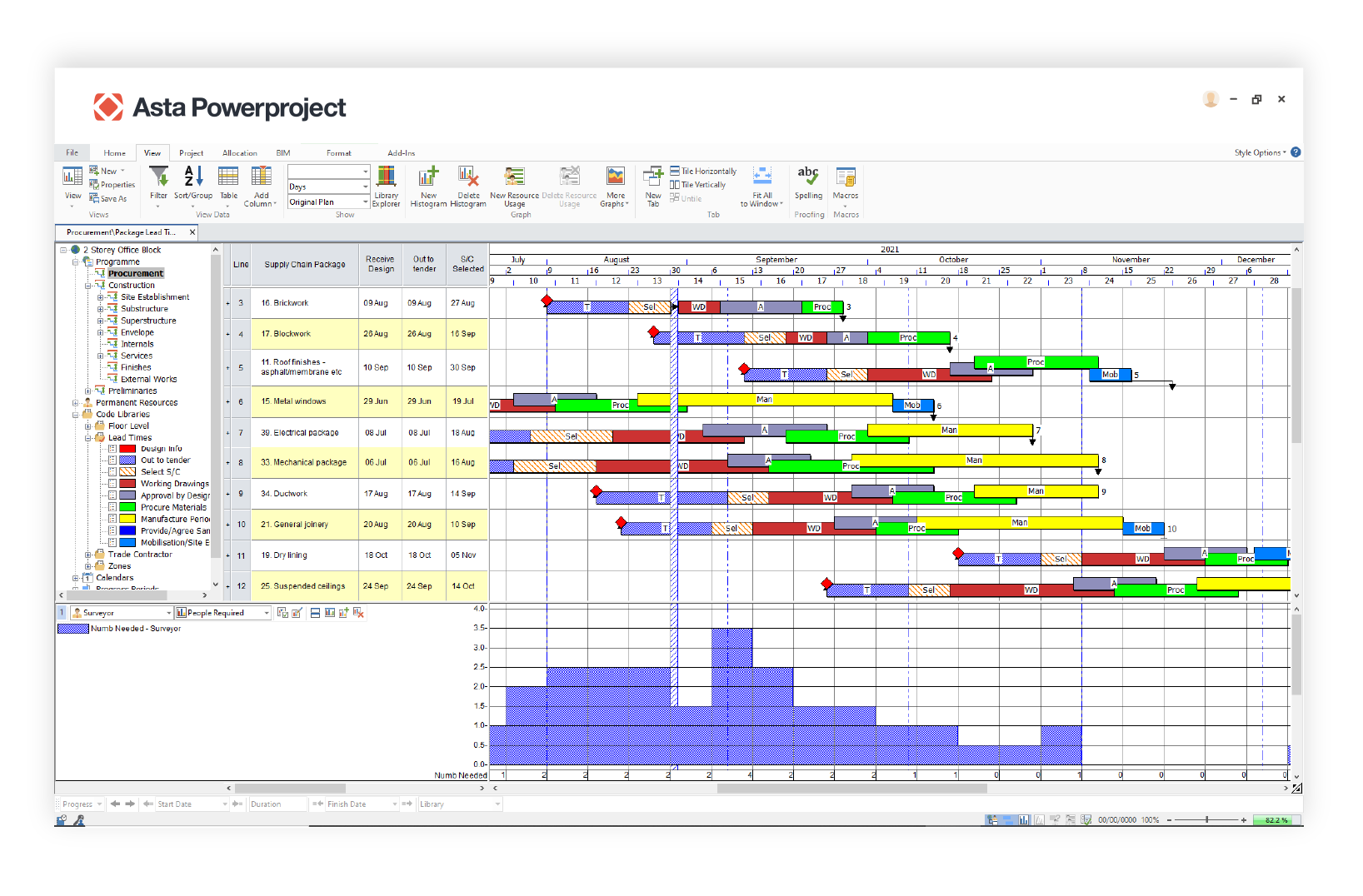
Asta Estimate, previously known as Bidcon, puts structured estimating beside the programme. It offers optional BIM 5D and Climate modules. The UK shop lists the base annual subscription at £1,500 including VAT for one user on a Windows PC. That is a product price, not a project-wide implementation budget. Training, configuration and the required modules need their own discussion.
IconSystem deals with building specifications and standards, where distributing the wrong version can undermine otherwise orderly work. Staircon and Statcon serve more specialised needs: staircase design and production, and structural calculations. Their presence helps explain Eleco’s character. It sells software for particular professional tasks, with vocabulary and workflows that general office tools do not automatically supply.
Portfolio map: connections and deployment depend on the products selected.
The building opens. The work continues.
ShireSystem organises maintenance requests, work orders, inspections and asset records. The practical goal is to make maintenance more planned and less improvised. Its modular structure lets organisations add capabilities as requirements grow. A facilities manager and a factory engineer may face different equipment, but both need a usable record of what requires attention.
At Sundown Products, a published customer story describes better visibility of future maintenance, spares and labour requirements. Greater confidence in production also helped the business run its electricity-hungry pelleting plant at night, when its tariff was cheaper. Those savings depend on the operating conditions and electricity contract. The useful idea is to connect maintenance information to a concrete decision, such as when production can safely run.
Eleco expanded this side of the business by buying Pemac in January 2025. The announced initial consideration was approximately €6 million, with up to €2.4 million in performance-related payments. Pemac brought experience in regulated manufacturing and customers including Stryker and Amgen. Maintaining a production asset is a different buying conversation from scheduling a building, and Eleco now has more expertise in both.
The subscription habit - and the €1 goodbye
The group introduced subscription pricing for new Building Lifecycle customers in late 2021. That choice spreads income over customer relationships and makes renewals central to the business. Training, support and consultancy sit beside the software. For a buyer, the relevant calculation is the continuing cost of useful adoption, including staff time, rather than the licence alone.
In its audited 2025 results, Eleco reported £38.8 million in revenue, up 20%. Recurring revenue accounted for 81%. Adjusted EBITDA reached £10.2 million, but statutory profit before tax fell to £2.8 million after a £2.3 million Veeuze impairment. The adjustment is material: the growing software group also had a business losing ground.
More of the revenue returns
Recurring revenue as a share of reported revenue. H1 2026 is unaudited and reflects a changed portfolio; these are different reporting periods.
Veeuze, the German visualisation operation, was sold through a management buyout in April 2026. Its 2025 management accounts showed approximately £3.7 million in revenue and a £1.3 million pretax loss. Eleco described lower sales, continuing losses and substantial cash support in the second half. Tighter customer budgets and difficult interior-product markets helped make further investment unattractive.
The sale began at €1, with contingent profit sharing capped at €250,000. Eleco also agreed a €1.5 million financing package repayable over five years. So the headline price conceals the cost of separation. Management changed course when the operation’s demands no longer matched its priorities. Selling it also meant giving up the prospect that another round of investment might fix it.
The July 2026 trading update showed approximately £19.9 million of first-half revenue and £35.5 million in annualised recurring revenue. Recurring income represented 85% of sales. Those figures were unaudited, and the portfolio had changed. They describe the business after a meaningful decision about what to stop owning.
Buying expertise, connecting the loose ends
Eleco’s February 2026 Kivue acquisition had a £2.3 million enterprise value, comprising about £1.84 million in cash and £460,000 in equity. Kivue’s Perform gives executives a view across portfolios, complementing BestOutcome’s PM3. A director deciding which projects need intervention has a different job from the planner adjusting tomorrow’s activities.
There is also work between applications. Eleco Technologies launched UK services in December 2025, offering development, integrations, AI readiness advice and cybersecurity support. The existence of that service is revealing: assembling several useful products still leaves technical work. Customers need people who can make their particular systems cooperate.
The SymTerra integration announced in March 2026 is a concrete example. It brings Asta programme structures into the site-reporting platform through the Asta Vision Plus API, allowing site records to relate to planned activities. Its first release includes manual synchronisation or scheduled monthly refreshes. Buyers should inspect that cadence rather than assume every connected system updates continuously.
AstaGPT takes a similarly specific approach to AI: answering questions about Asta products using their help documentation. It assists users with the software. A sound construction sequence still requires professional judgement. Meanwhile, dated workplace certifications in Eleco’s 2024 annual report offer some evidence of attention to staff experience across qualifying regions, alongside its customer collaboration model.
For prospective customers, the best demonstration would start with an awkward existing job: conflicting updates, a changing estimate or recurring equipment trouble. Test the handoffs, permissions and reporting with the people who will use them. A team unwilling to maintain its records can turn an expensive system into a beautifully presented backlog. Eleco’s opportunity lies in making those records useful enough that people keep them alive.
See the work on screen
Explore Eleco’s website, its Powerproject introduction and planning webinar, and the official YouTube channel. Follow LinkedIn, X or Facebook, and browse the company announcements.