Before Edgewell bought Billie, it was already helping make Billie possible. The newcomer had the bright branding, the direct relationship with shoppers, and a proposition aimed squarely at women. Edgewell had manufacturing. When the acquisition closed in November 2021, the $310 million buyer was acquiring a customer it already knew.
- Edgewell owns familiar brands and manufactures private-label razors.
- Its Harry’s acquisition collapsed; Billie joined instead.
- A $340 million sale has narrowed the company’s focus.
That small detail rearranges the usual story about old companies and young challengers. They can inhabit the same supply chain long before they share an owner. The insurgent understands how to get attention. The established manufacturer understands how to turn steel, lubricants, handles, packaging, and distribution into something available when the customer needs a refill.
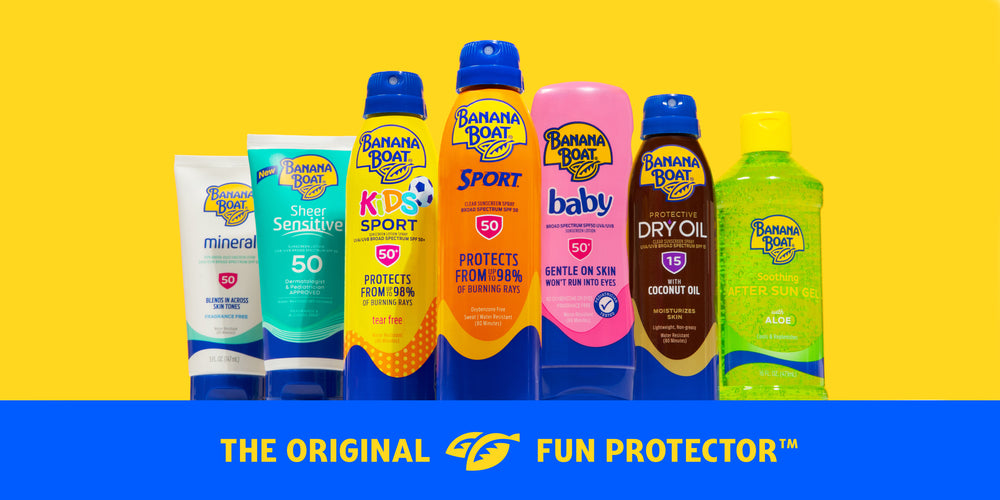
Edgewell is the company connecting those worlds. Its name is less familiar than Schick, Wilkinson Sword, Banana Boat, Hawaiian Tropic, Cremo, or Wet Ones. Its products reach more than 50 markets. Open a bathroom cabinet or a beach bag and the corporate name can disappear behind the labels. That is how a portfolio of consumer brands works: the individual names do the talking.
01 The supplier behind the newcomer
The practical problems are wonderfully unglamorous. Remove hair comfortably. Protect skin from the sun. Clean hands away from a sink. Make the next purchase easy. Schick and Wilkinson Sword sell shaving systems and disposables; Edge and Skintimate supply shave preparations. Bulldog, Jack Black, and Cremo give the group different routes into grooming, while Billie connects women’s shaving with body care.
There are two audiences here. Consumers choose what touches their skin. Retailers decide what earns shelf space, and some want products carrying their own labels. Edgewell Custom Brands serves that second audience, manufacturing razors for retailers and other brands. The company can earn revenue through its own labels and through another company’s relationship with shoppers.
This is a manufacturing and distribution business with a marketing engine attached. Blade grinding, coatings, cartridge lubrication, and handle design matter alongside advertising. Brand websites add direct sales; refill subscriptions, where offered, add convenience. Against Gillette and newer shaving rivals, Edgewell combines established names with newer brands and a private-label business. It has several ways into the same shopping basket.
02 The deal that never reached the shelf
The modern corporate identity dates to 2015, when the old Energizer Holdings became Edgewell and its household-products business separated under the Energizer name. The brands were older. Wilkinson Sword traces its roots to 1772. This was a rearrangement of established businesses, rather than a founder inventing a new category in a garage.
In 2019, Edgewell proposed a much larger shortcut to reinvention: buying Harry’s for $1.37 billion. The Federal Trade Commission challenged the transaction. Its complaint argued that Harry’s had disrupted shaving, driven prices down, and encouraged innovation. Removing that independent competitor, the agency alleged, would damage competition.
The deal was abandoned in February 2020. Regulatory clearance became the decisive obstacle before the companies could test the combination. It is tempting to draw a straight line from that setback to everything that followed. The public record supports a narrower conclusion: Edgewell kept buying, through different transactions. It announced a $235 million Cremo deal in 2020 and completed the Billie purchase the following year.
Billie offered something specific beyond another razor. Edgewell’s acquisition announcement emphasized digital capabilities; Billie gained access to retail distribution and marketing channels. The company said the purchase was funded with cash and revolving-credit capacity. A supplier relationship had become an exchange of capabilities, with an actual financing bill attached.
03 A smaller company, on purpose
By February 2026, the direction of travel included selling. Edgewell completed the $340 million disposal of its feminine-care business to Essity. It said net proceeds would primarily strengthen the balance sheet and pay down its U.S. revolving credit facility, while supporting investment in the remaining businesses. Women’s shaving, including Billie, remained.
The stated reasoning was focus: concentrate resources on shaving, sun and skin care, and grooming. That is a concrete change in ownership and capital allocation. It does not establish that the remaining portfolio will grow faster. In fiscal 2025, before the disposal, originally reported net sales were $2.2235 billion, down 1.3%.
Sales increased. Less operating income remained.
The latest available quarter sharpens the distinction between selling more and earning more. Fiscal third-quarter 2026 sales from continuing operations reached $570.1 million, versus $560.4 million a year earlier. Operating income fell from $45 million to $25 million. Private-label shaving faced temporary supply constraints. The factory’s execution still matters, however persuasive the strategy sounds.
04 The factory still has to deliver
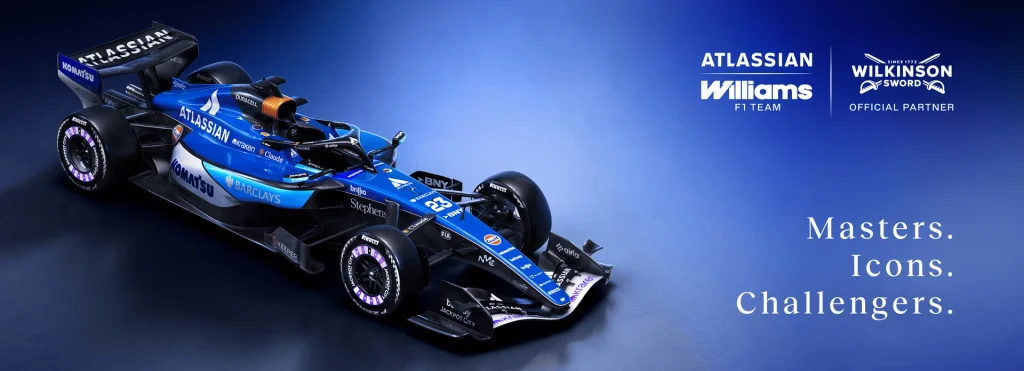
The consumer pitch is changing too. Schick’s April 2026 campaign with Nick Jonas puts shaving inside a skin-care routine, emphasizing comfort and the skin left behind. Wilkinson Sword became a Williams Formula 1 partner. Those approaches offer different reasons to notice an everyday purchase: skin concerns in one case, racing and precision in the other.
Inside the business, Edgewell’s purpose is We make useful things joyful.
Its stated culture encourages experimentation and candid feedback. There are measurable changes alongside the language: its fiscal 2025 sustainability report says virgin petroleum-based plastic in packaging fell 31% against a fiscal 2019 baseline. Such figures describe progress within specified measures, rather than a blanket environmental verdict.
“We make useful things joyful.”Edgewell’s corporate purpose
The useful lesson is to identify the capability a deal adds. Billie brought digital expertise to a company that already supplied it; Edgewell brought retail reach. Readers running businesses can copy that question before copying the acquisition. The conditions matter: reliable supply, room to invest, complementary skills, and regulatory clearance. Weakness in any of them can interrupt the plan. A sharper portfolio still has to produce a comfortable shave.