In Las Vegas, Dekel Skoop saw someone juggling balls carrying the Guardz name. A modest piece of conference entertainment became, in his telling, a picture of the customer’s working day: several security tools in motion, several dashboards demanding attention, and somebody trying very hard to keep everything airborne. The trick looks rather less charming when the balls are your business.
Skoop turned the encounter into an argument for bringing security operations together. It also offers a useful way into his career. He keeps returning to businesses that need something complicated done, have limited resources to do it, and would quite like to get back to the work that pays the bills.
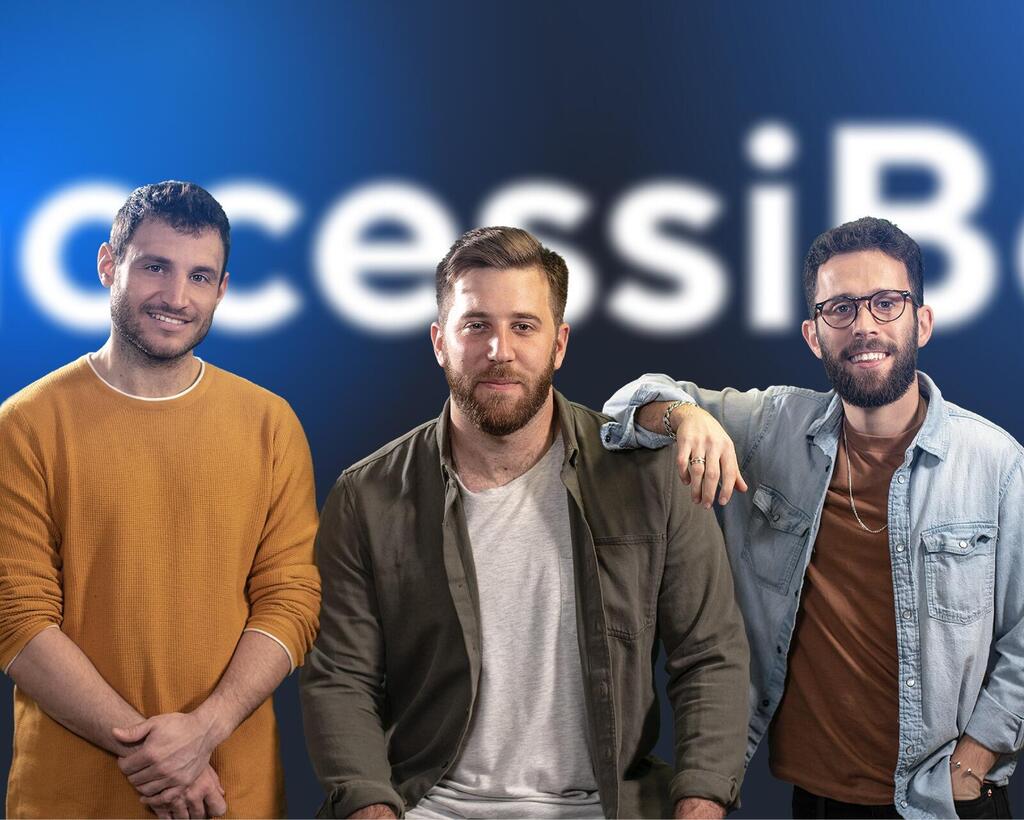
He co-founded accessiBe in 2018 with Shir Ekerling and Gal Vizel. The company attracted investment around the promise of making website accessibility easier to undertake. He later served as CEO. Today, he is Chief Business Officer at Guardz, working in cybersecurity from Miami. Change the industry, and a familiar customer remains in view.
A customer before a category
His early business life included bars and restaurants, followed by a marketing agency serving small companies. Ekerling brought software development experience to the partnership. The route matters because the founders encountered website accessibility while already working with customers and their digital businesses. The problem arrived attached to an existing relationship.
In Skoop’s account, the team built an early prototype and tried it on client websites. They sold existing businesses and put their own money into the venture. Before the institutional investors came the considerably less glamorous business of deciding what they were prepared to risk themselves.
There was a relationship before the business, too. Childhood soccer and longstanding friendships form part of Skoop’s account of the founding team. The useful lesson he takes from that experience is collaboration: a team can do work that no single member knows how to do alone.
His formal training included IDC Herzliya, now Reichman University, where he studied from 2013 to 2016. His degree was in communication and media studies. His public profile also lists a copywriting certification from Habetzefer, issued in 2012. These details put communication into the story before the software company: understanding an audience, choosing an explanation and thinking about how a message will land. They sit comfortably beside the later work of introducing technical products to business owners.
The agency background gave Skoop a direct way of describing the opportunity. A small business might understand that its website needs work without possessing the budget or expertise to undertake that work. A requirement on paper does not supply a developer, a testing process or another hour in the day. Selling a solution means accounting for those constraints.
In 2022, he described the aim in a short phrase: “We wanted to democratize the process”. That ambition helps explain both the appeal of accessiBe’s approach and the scrutiny that would follow. The easier something sounds to buy, the more carefully the buyer needs to understand what the purchase actually delivers.
The numbers grew. So did the promise.
The investment history gives the early business a clear sequence. In May 2020, accessiBe announced $12 million from K1 Investment Management. Another $16 million followed in February 2021. An August 2022 extension added $30 million, with Glilot Capital Partners and The Phoenix participating alongside K1. Reported cumulative funding reached $58 million.
There was an organization growing underneath those announcements. In May 2020, the company had 47 employees in Ramat Gan. By February 2021, that figure was 75. In August 2022, it employed about 140 people and had offices in Tel Aviv and New York. These are snapshots from those years, rather than a claim about its size today.
That is a substantial distance from putting a prototype on an agency client’s site. It brings different questions: who explains the product, who supports the customer, and how consistently the company describes what its software can accomplish. A growing payroll makes those questions more urgent. A larger audience makes the answers more consequential.
Skoop also became a public advocate for digital accessibility, writing about online retail, consumer expectations and access to digital services. The subjects reflect a commercial argument as well as an inclusion argument: businesses can lose the opportunity to serve people when their websites are difficult to use. The website is part of the customer experience, even when the customer never enters a shop.
His published essays ranged from web accessibility in retail to the relationship between consumer values and a company’s website. He also appeared on NYSE Floor Talk as accessiBe’s co-founder and CEO. Writing and interviews gave him several ways to address business audiences beyond a sales meeting. The recurring task was explaining why a website’s usability belonged on an owner’s list of commercial concerns.
Where the easy answer met its limit
In January 2025, the US Federal Trade Commission announced allegations against accessiBe concerning its marketing of accessWidget. The regulator said the company had falsely or without substantiation claimed that the automated tool could make any website compliant with the Web Content Accessibility Guidelines. It also challenged purportedly independent articles and reviews whose connections to the company were not adequately disclosed.
In April 2025, the FTC approved a final consent order requiring accessiBe to pay $1 million. The order restricted misleading representations, including universal and continuing compliance claims unsupported by evidence. It addressed the company and its advertising practices. Skoop was the company’s CEO during the period when the action was announced.
A simple purchase still needs a precise promise.
An editorial reading of the accessiBe chapter
The episode belongs in his business story because it concerns the central promise around which the company grew. Making a technical service easier to purchase creates an obligation to describe its limits clearly. Accessibility improvements, adoption figures and complete standards compliance are different things. A funding total cannot stand in for any of them.
For an executive whose work involves explaining complicated products, the distinction has practical weight. The customer is relying on the explanation to decide what still needs attention. Convenience is valuable. So is a clear account of the work that remains. The commercial challenge is to provide both in the same conversation.
A different problem, a familiar buyer
When Skoop announced his move to Guardz, he invoked his grandmother’s advice about protecting people who need protection. The family reference made an otherwise conventional executive announcement feel personal. His new title was Chief Business Officer; the business was cybersecurity for small and medium-sized companies, delivered through managed service providers.
Guardz put him in charge of business development strategy, working across marketing, sales and product. Its announcement also described his relocation to Miami. He joined a company led by co-founders Dor Eisner and Alon Lavi, taking an executive role alongside founders after having been one himself.
The business model adds another relationship to the picture. A managed service provider, or MSP, supplies technology services to other companies. Guardz builds for those providers, which in turn serve smaller businesses. Skoop’s work therefore involves helping a partner understand a product well enough to operate it and explain its value to somebody else.
His Las Vegas juggling anecdote fits that arrangement. He argued that moving between disconnected systems can make an operation harder to scale and its value harder to communicate. Consolidation, in that argument, has to improve the provider’s working day as well as the customer’s understanding. Otherwise, the provider merely acquires a more impressive collection of things to juggle.
Someone still has to teach the team
By February 2026, Skoop was discussing the people involved in growth in a conversation with Wayne Pernell. His subjects included hiring for adaptability and common sense, bringing in people with stronger abilities than your own, and accepting that a growing organization will change. The emphasis was on the organization’s capacity to keep learning.
That interest also appears in his writing about sales training. He argues that an introduction to the company, followed by an occasional refresher, cannot keep a team ready as products, customers and markets change. Training has to continue. The person explaining the product on Tuesday needs to understand what changed on Monday.
There is an unromantic quality to this part of his management thinking. It depends on planning, repetition and making sure people understand the reason for what they are selling. Those tasks rarely make an executive announcement. They do determine whether the announcement eventually produces a business that works.
He has described a visit by Guardz’s business intelligence team from Israel to Miami for workshops about processes and automation. What stayed with him was the conversation around the work: time together, questions asked freely, and trust built between colleagues. The proposed efficiency still required people to spend time in a room.
His year-end account of the Miami team was similarly practical. There were seasonal drinks, but also a pause to review 2025 and plan for 2026. He credited his younger brother with a familiar warning about preparation. Family advice seems to find its way into the business vocabulary rather readily.
Read across these episodes and a recognizable operator emerges: interested in how people understand a problem, how teams learn to explain it, and how a smaller business can manage it. The work has moved from restaurants to websites to security platforms. The person at the receiving end still has limited time. Skoop keeps trying to make the difficult thing fit into that day.