The useful detail is the housing. Clarence Spicer’s universal joint had one: a bowl-shaped enclosure that held lubricant in and kept road dirt out. On the unpaved roads of the early automobile age, that was consequential. A mechanism that could transmit rotation between shafts at an angle became a more practical thing to put into a vehicle.
- Dana sells the parts between power and motion, plus the sealing and cooling that keep them working.
- Its axle engineers found an efficiency opportunity by starting with the lubricant.
- A completed $2.7 billion sale and a pending Eaton deal are reshaping the business.
Spicer opened his business in a corner of a New Jersey factory in 1904. By 1913, more than 100 vehicle manufacturers were customers. Here was the uncomfortable discovery: having a product people wanted did not solve the problem of paying to produce it. Expansion strained resources; competition brought patent disputes. Charles Dana bought control in 1914. The inventor’s surname stayed on the parts. The financier’s eventually went on the company.
The oil gets the first word
More than a century later, Dana’s AdvanTEK Ultra axle offers a pleasing echo of that beginning. An axle must survive punishment, so the traditional design approach starts with durability requirements and the thick oils that help satisfy them. Those oils also consume energy as moving components churn through them.
Dana reversed the sequence. Engineers defined an ultra-low-viscosity lubricant first, then designed gears and bearings compatible with it. The company claims up to 45 percent less energy loss than a typical axle. That is a component comparison, with an “up to” attached. It does not mean a vehicle uses 45 percent less fuel. The distinction is small enough to disappear in marketing and large enough to matter at the pump.
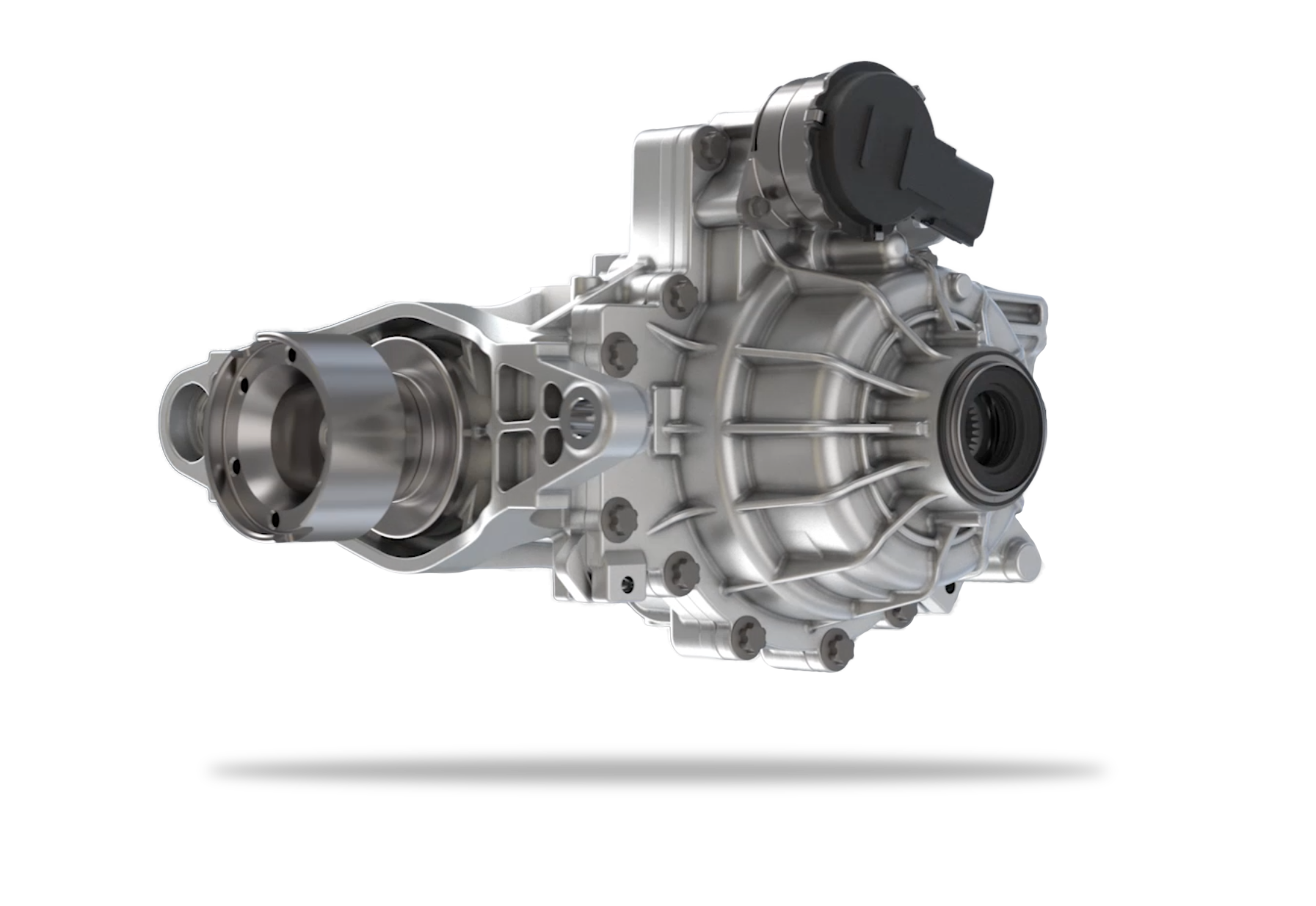
The axle won a 2019 Automotive News PACE Award. Dana’s SmartConnect technology tackles another source of wasted effort: driving an AWD system when extra traction is unnecessary. It allows front-wheel-drive operation and engages all-wheel drive when conditions require it. Ford selected SmartConnect for its global Edge program beginning with the 2019 model year.
A business underneath the badge
Dana occupies the space between a vehicle manufacturer’s ambitions and the machinery required to deliver them. Its offerings include axles, driveshafts, transmissions, electric motors, inverters, controls, gaskets, and cooling components. A manufacturer can buy components or work with Dana on an integrated system. The expertise lies in making mechanical, electrical, and thermal decisions cooperate.
Its brands divide that work into recognizable specialties. Spicer covers conventional and electrified drivelines. Dana TM4 supplies motors, power electronics, and controls. Graziano addresses demanding transmission applications in high-performance vehicles. Victor Reinz supplies sealing systems. These are practical answers to different purchasing problems, rather than a single product stretched across every buyer.
The customer list includes Ford, Stellantis, Toyota, PACCAR, Volvo, and Daimler Truck. Against suppliers such as BorgWarner, Magna, and ZF, Dana’s pitch is the breadth of engineering it can bring to a vehicle program. Breadth alone does not establish superiority. The telling question is whether the particular system meets the customer’s requirements for durability, efficiency, packaging, and cost.
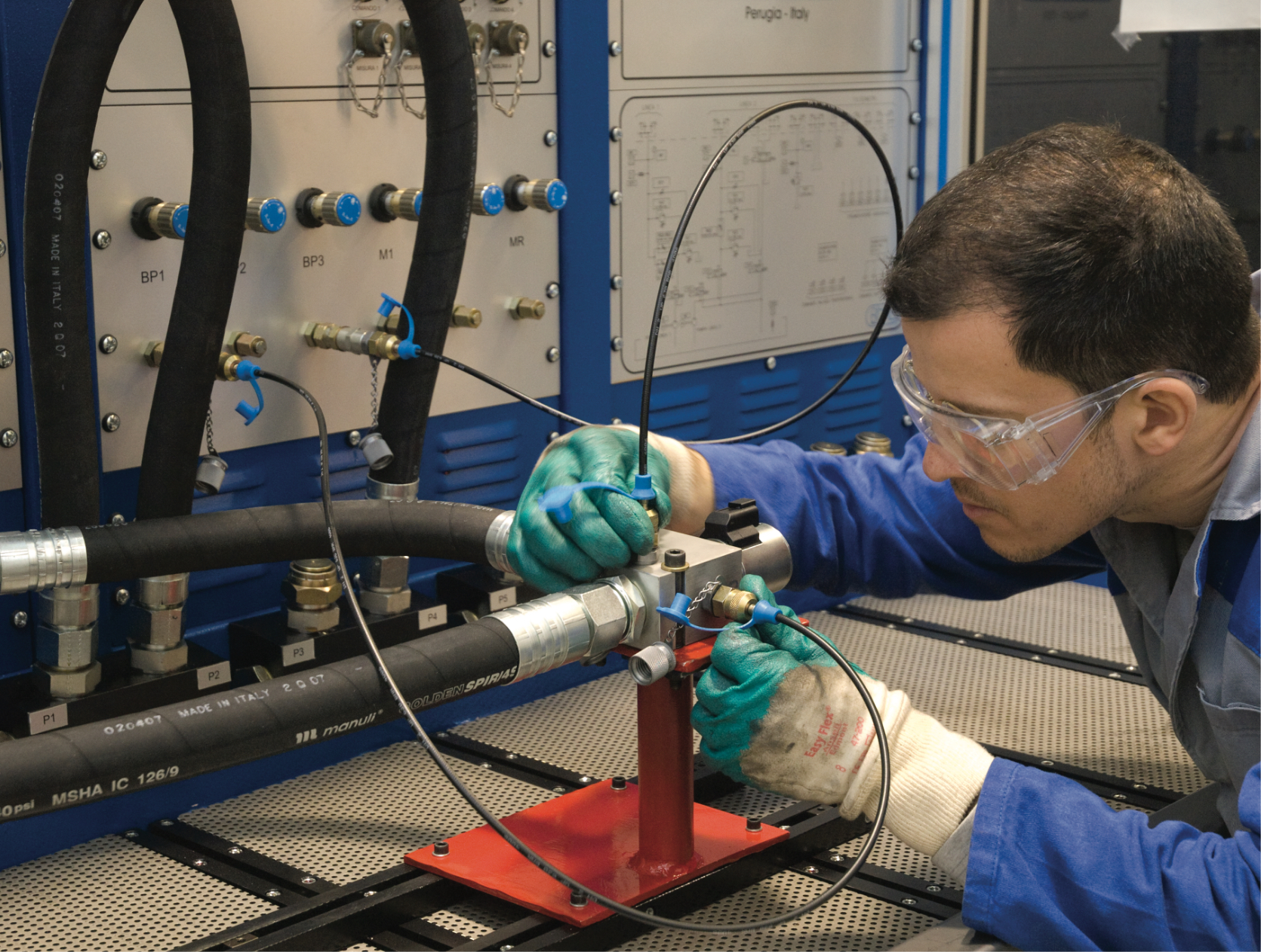
Then there is the vehicle’s second life. Dana sells replacement and performance parts through its aftermarket operations. Spicer Select addresses older vehicles; Victor Reinz supplies replacement sealing products; crate axles serve drivetrain builds. For repairers and enthusiasts, catalogs, training, and part identification can be as useful as a specification sheet. Choosing the correct part is part of keeping the machine earning its keep.
The expensive lesson in getting smaller
Excellent components have never insulated Dana from financial trouble. Its U.S. operations entered Chapter 11 in March 2006 and emerged in January 2008. The reorganization involved manufacturing changes, labor and benefit changes, and a restructured balance sheet. The history complicates any easy claim that a useful invention automatically produces a durable business.
The latest reset has a different shape. In January 2026, Dana completed the sale of its Off-Highway business to Allison for $2.7 billion. It retained its focus on light and commercial road vehicles. R. Bruce McDonald, then chief executive, described Dana as “a more focused company.” The sale proceeds supported debt reduction; February’s results announcement reported nearly $2 billion of debt reduction completed.
“We are now a more focused company”R. Bruce McDonald · January 2026
The arithmetic deserves care. Dana reported $7.5 billion in 2025 sales from continuing operations and $610 million in adjusted EBITDA. Its second-quarter 2026 adjusted EBITDA margin reached 10.3 percent, against 7.6 percent a year earlier. Yet that quarter’s net income from continuing operations was $11 million. Adjusted operating measures and the final profit line tell different parts of the story.
The next joint still has to fit
In June 2026, Dana agreed to combine with Eaton’s Mobility business, valued at approximately $5.1 billion. The companies projected $250 million in annual run-rate synergies within two years after closing. Completion was expected in the first quarter of 2027, subject to approvals and other conditions. Those savings are targets, not money already earned.
There are other reminders that a plan is provisional. Dana’s first-half 2026 earnings reconciliation included $64 million in electric-vehicle program termination charges. A supplier can develop the technology and still face a program that stops. Nor does a merger make integration costs, customer concentration, or vehicle-market cycles disappear.
The portable idea here comes from the axle: decide which constraint deserves the first decision. A product team can copy that habit without owning a foundry. It works only if the redesigned system still survives its job. For Dana, under CEO Byron Foster, the corporate equivalent is now underway: a different collection of businesses, assembled around the same old obligation to get power where it needs to go.