A pothole is an unusually good way to discover how little you know about your car. You know the badge, the battery range, perhaps the horsepower. Then the wheel drops, the body moves, and some hidden arrangement of metal, fluid and rubber decides what reaches your spine. Tenneco works in that hidden arrangement. Its name may mean less to a driver than Monroe, one of its brands. Its business is full of things that announce themselves most clearly when they stop doing their job.
- It supplies automakers with engine, emissions, suspension and vibration-control components.
- Its DRiV business sells replacement parts into the repair market.
- Electric vehicles need its ride technologies; combustion engines need a different slice of its portfolio.
The customer buys a result
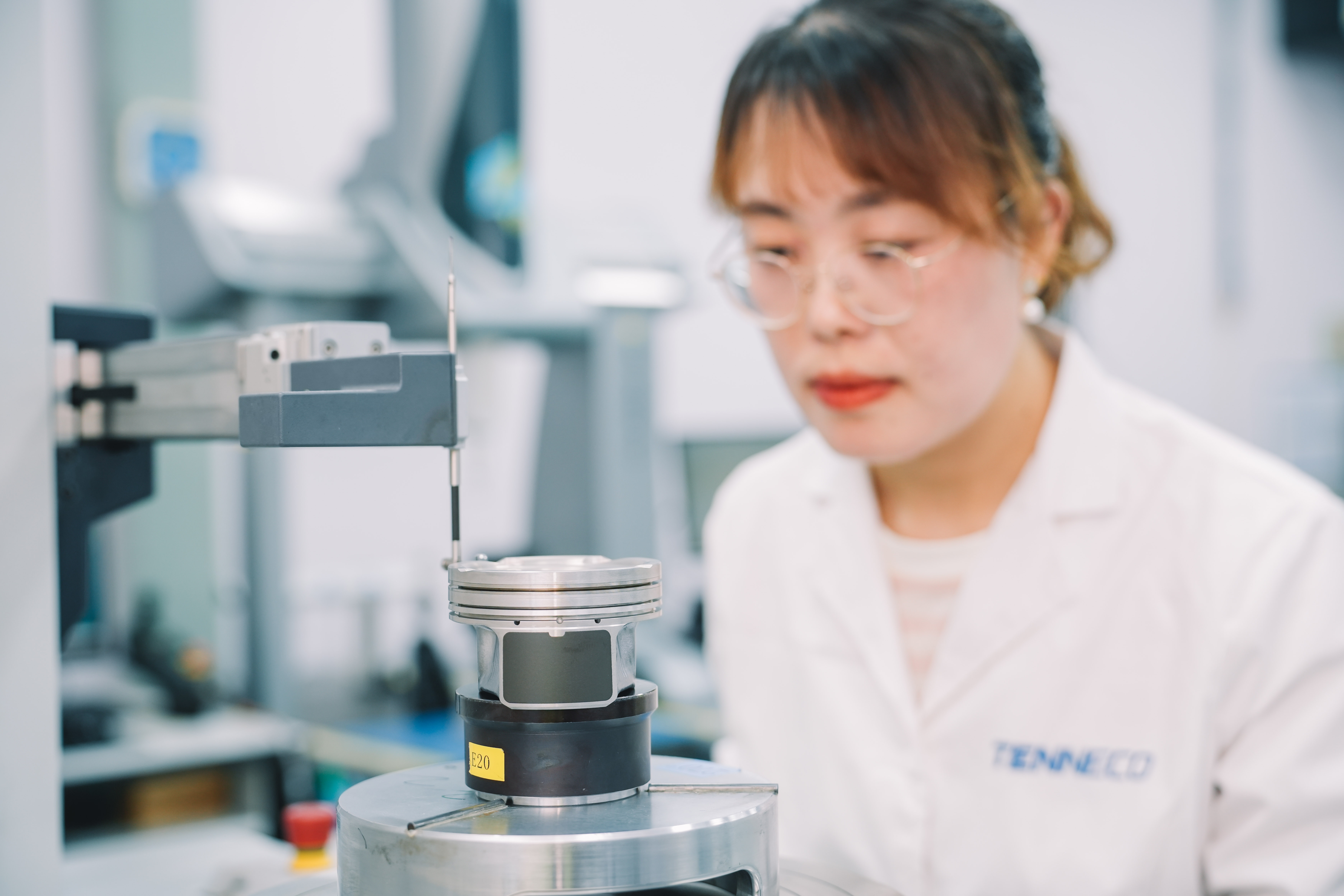
Consider the piston ring. It sounds like an item you would lose in a drawer. Inside an engine, it helps manage oil and seal combustion pressure while surviving heat and wear. Tenneco makes rings, pistons, cylinder liners, bearings and valves. Its materials, coatings and manufacturing processes help engine designers balance efficiency, durability and increasingly demanding operating conditions. The customer is buying a component, certainly, but also a way to make an engine behave within a narrow set of tolerances.
The same logic extends downstream. Clean Air supplies particulate filters, catalytic converters, selective catalytic reduction systems and thermal-management technology. These help engine manufacturers manage pollutants and meet emissions requirements. Acoustic engineering adds a delightful complication: the exhaust must sometimes sound a particular way. A sports car’s voice is an engineering assignment. So is making a passenger compartment less tiring. Heat, sound and vibration become specifications, then products.
One car. Two buying occasions.
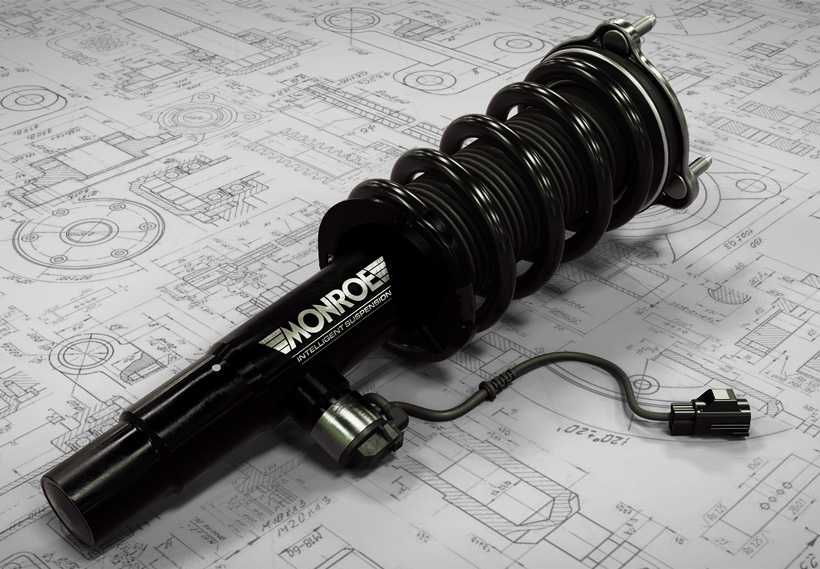
Tenneco occupies two different moments in a vehicle’s life. First, an original equipment manufacturer selects components for production. Engineers work through requirements, integration and validation before factories supply the program. Later, a workshop needs a replacement. Through DRiV and brands including Monroe, MOOG, Walker, Champion and Fel-Pro, Tenneco reaches the distributors, retailers and installers serving that second moment. One business helps build vehicles. The other helps keep them useful.
That distinction matters if you want to use the company’s products. An automaker needs an engineering and manufacturing partner. A repairer needs the correct part for a particular vehicle, available through the right channel. Familiar branding helps, but fitment and availability still decide the purchase. Tenneco competes with specialist component suppliers, manufacturers’ own capabilities and, in replacement parts, cheaper private-label alternatives. Its pitch combines technical breadth with distribution. Neither makes every part the right choice for every job.
The split that slipped
The corporate story is less tidy than the product diagram. Tenneco’s chronology reaches back to a 1930 investment trust. The Tenneco name arrived in 1966; the automotive business was spun off in 1999. In 2018, Tenneco announced a $5.4 billion acquisition of Federal-Mogul, adding engine and aftermarket businesses. The plan was to combine the operations, then separate them into two public companies: aftermarket and ride performance on one side, powertrain technology on the other.
The original timetable put separation in the second half of 2019. It slipped. In its 2019 annual report, Tenneco said end-market conditions were also affecting a mid-2020 separation, despite preparation of the systems and processes needed for independence. By January 2020, it was considering sales and other strategic alternatives alongside the spin-off. The useful distinction is between being operationally ready for a transaction and having the market conditions to complete it.
Announced consideration · 2018
Enterprise value, including debt · 2022
Apollo-managed funds completed their acquisition in November 2022, and Jim Voss became chief executive. In February 2025, Tenneco announced another investment, from Apollo Fund X alongside American Industrial Partners, into Clean Air and Powertrain. It said it would continue operating as one company. Meanwhile, another boundary moved: Brembo completed its purchase of Öhlins in January 2025. A familiar suspension name in an old Tenneco story therefore needs a date attached.
“We must reject bureaucracy, minimize layers, and eliminate silos.”Tenneco’s published Simplify value
Electric cars keep the potholes
A battery-electric vehicle does not need an exhaust aftertreatment system. It still needs a controlled ride. Tenneco’s Performance Solutions business covers suspension, noise and vibration control, braking and protective materials. In November 2022, it announced selection of its CVSA2/Kinetic H2 suspension technology and Clevite anti-vibration materials for Rivian’s R1T and R1S. That is a specific program announcement, rather than a promise about every subsequent model. It nevertheless shows why electrification affects different Tenneco businesses differently.
The portfolio also reaches beyond cars, into marine engines, railway equipment and power generation. These customers bring their own temperatures, loads and maintenance demands. Breadth gives Tenneco several places to apply its knowledge of friction, combustion and materials. It also creates a management problem: expertise spread across sites and product groups needs to meet before the customer discovers an awkward interaction.
Put the test bench closer
In September 2026, Tenneco launched its Global Innovation Center in Kunshan, China, bringing development, validation and integration together. The company reported more than 200 engineers and technical professionals and over 30 test benches. Engine-component and aftertreatment teams would work alongside each other. Tenneco’s published values include this instruction: “We must reject bureaucracy, minimize layers, and eliminate silos.” A shared testing environment gives that aspiration a physical address.
Here is the copyable idea: when products interact, bring the people proving them closer to the people designing them. That is an inference from the center’s structure, not proof of savings. It depends on useful testing, capable teams and customers whose problems justify the investment. Tenneco’s January 2026 Cadillac Formula 1 technical partnership offers a more glamorous setting for the same work: powertrain, ignition and engineering support. Whether the destination is a racing circuit or a repair bay, someone still has to make the part behave.
Keep looking under the hood
Tenneco · DRiV aftermarket · Suspension products and demos · Company news
LinkedIn · Instagram · X · Facebook · Monroe product videos on YouTube