Consider the badge on a car. It tells you who gets the credit. It tells you much less about who solved the awkward problems underneath: getting power to the wheels, keeping a battery warm, making a small engine pull harder. To find those people, you have to follow the purchasing orders. Eventually, some lead to BorgWarner.
- The job: supply the machinery that makes combustion, hybrid and electric vehicles move.
- The gamble: buy electric expertise before customers need it at scale.
- The next turn: take automotive skills into industrial power.
The interesting question is how a supplier prepares for a future its customers can postpone. BorgWarner offers an unusually concrete answer. There are acquisition prices, production dates and write-downs. There is also a useful reminder for anyone running a business: being right about a technology leaves plenty of room to be early.
01 The business beneath the badge
BorgWarner began in 1928 as a combination of four suppliers: Borg & Beck, Marvel-Schebler, Warner Gear and Mechanics Universal Joint. Its origin was already an argument for putting different mechanical skills together. The automotive business became independent in 1993; headquarters moved from Chicago to the Detroit area in 2005.
Today it sells turbochargers, transmission components, electric motors, inverters, battery systems and thermal equipment. An automaker can buy components or a more integrated system. The problems are physical: space, heat, noise, efficiency. A turbocharger helps an engine produce more power for its size; a heater helps manage temperatures in an electrified vehicle.
The customers include Volkswagen, Ford and Hyundai Motor Group. Revenue comes mainly from supplying manufacturers under negotiated agreements, with deliveries following production schedules. This makes BorgWarner a participant in someone else’s launch calendar. A program win matters. The eventual number of vehicles built matters too.
02 The clever part is the joining
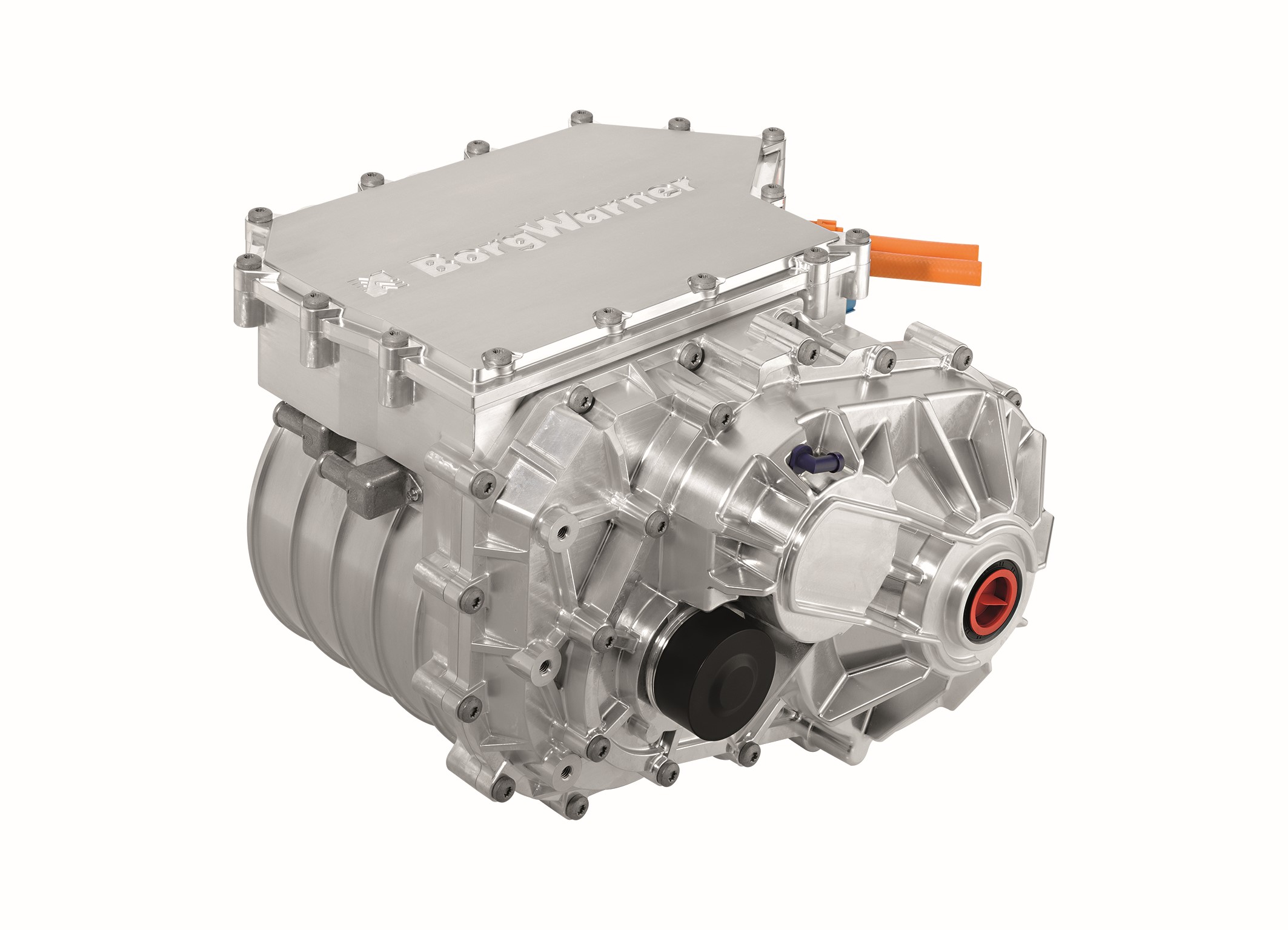
Take the integrated drive module selected by Hyundai Motor Group in 2021. It brings an electric motor, gearbox and inverter into one assembly. The inverter controls electrical power; the motor turns it into motion; the gearbox delivers that motion at a useful speed. Integration reduces the space and weight of the overall drive system.
That sounds tidy. Making it tidy is the product. The components must work together mechanically, electrically and through software. BorgWarner described the Hyundai module as its first iDM combining its own portfolio with the acquired Delphi Technologies business. Here was an acquisition turning into something an engineer could bolt into a vehicle.
One integrated module. Three closely connected tasks.
Competitors include Bosch, Denso, Garrett Motion, Magna Powertrain, Valeo and Schaeffler, depending on the product. Automakers can also make components themselves. BorgWarner’s pitch rests on the combination of mechanical engineering, electronics and manufacturing experience. Buyers still compare price, quality, delivery and launch support. An elegant assembly has to survive a purchasing meeting.
For a vehicle engineering team, the choice is how much to develop internally and how much to buy already integrated. BorgWarner supplies individual components as well as modules. The appeal depends on the vehicle: packaging constraints, electrical architecture and the customer’s own engineering resources all shape the useful answer.
03 Reinvention comes with a bill
In January 2020, the announced all-stock Delphi Technologies transaction carried an enterprise value of about $3.3 billion. BorgWarner completed the acquisition that October. In February 2021, its offer for battery-system maker AKASOL valued that business at roughly €754 million, including net debt. These figures describe transaction valuations, rather than one combined cash bill.
It also changed what it owned. In July 2023, BorgWarner spun its Fuel Systems and Aftermarket segments into PHINIA. A month earlier, it had set a target of more than $10 billion in eProducts sales by 2027. That was a forecast of the business it wanted to build, dependent on a market still taking shape.
“We deliver innovative and sustainable mobility solutions”
BorgWarner’s stated mission
The operating problem appeared when expected customer volumes slipped. BorgWarner’s filings describe electric programs delayed or launched below expectations. In February 2025, it decided to exit its charging business; production stopped that second quarter. That decision ended a particular activity while electric propulsion continued. The distinction matters when an entire transition is compressed into a headline.
04 The forecast meets the factory
For 2025, BorgWarner reported $624 million in impairment charges across PowerDrive Systems and Battery & Charging Systems. An impairment reduces an asset’s recorded value; it does not mean the same amount of cash left that year. It does mean earlier expectations no longer supported the carrying value. Demand delays, customer sourcing choices and competitive pricing had consequences.
Same year, different measures. Adjusted results exclude impairments and other items; the gap is not entirely impairments. Scale: 0-12%.
There is a lesson here a smaller company can copy: separate a customer’s enthusiasm from its production schedule before committing capacity. The limits are equally practical. If customers delay launches, choose a second supplier or build components internally, engineering competence cannot fill a factory. Diversifying products helps only when the resulting business can earn its cost.
05 A different destination for the same skills
Then comes a turn away from the road. In February 2026, BorgWarner announced a turbine-generator supply agreement with TurboCell, an Endeavour subsidiary, for data centers and microgrids. The system draws on turbocharging, thermal management, power electronics, software controls and high-speed rotating machines. Work on it had already been underway for more than three years.
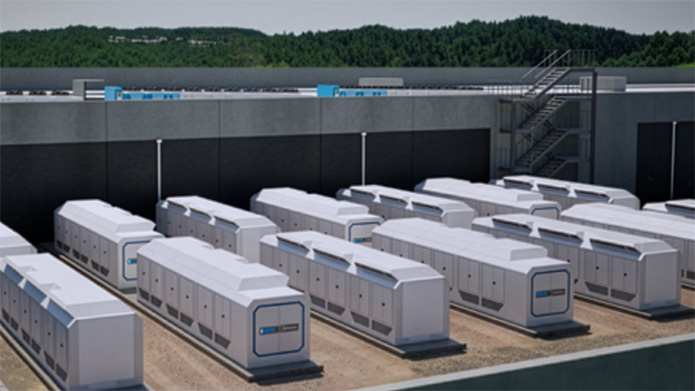
The broader industrial offering includes battery energy storage and grid-tied inverters. That creates another use for knowledge accumulated in vehicles: storing electricity, converting it and managing its delivery. The applications change, but the need to coordinate hardware and controls travels with them.
Production was expected in early 2027. That puts the opportunity in the future, with execution still to come. By August 2026, BorgWarner was planning extra research spending for industrial and data-center products while announcing further automotive awards. Both businesses require patience between development and delivery.
BorgWarner’s stated values include collaboration and responsibility. Those words face a practical test in a company that must join disciplines, factories and customer plans. Its most recognizable public object remains the Borg-Warner Trophy, associated with Indianapolis since 1936. The trophy celebrates the finish. Most of this company’s work happens much earlier, while someone is still deciding what will make the wheels turn.