The useful thing to know about CycleBar is that you can choose your bike before you arrive. Book beside a friend. Walk in early. Let someone adjust the seat. These are small decisions, almost comically small beside the promises usually attached to fitness. Yet they reveal the business: make a room full of stationary bicycles feel like somewhere you already belong.
- Instructor-led cycling combines music, effort and performance feedback.
- Local franchises sell classes and recurring memberships.
- A new owner is confronting the cost of oversized studios.
That proposition has traveled a long way from a family studio in Massachusetts. It has also become a useful test of boutique fitness. A workout can be appealing while the business around it needs repair. CycleBar’s story now turns on both truths.
A neighborhood before a network
Bill Pryor and his sister Alex Klemmer developed the concept in 2004. Their Wellesley studio opened in 2005 under the name Spynergy. The ingredients were straightforward: capable instructors, music worth riding to, and a setting devoted to cycling. The specialization mattered. A class could become the main event of a visit.
By 2014, a franchise company had formed. The following year, CycleBar announced agreements for 100 studios across the United States. Those were commitments, not 100 open doors. But they showed what the founders were trying to package: a local experience another owner could reproduce in another neighborhood.
Growth money followed. TPG Growth announced its investment in September 2017, when it described a business serving more than half a million riders. CycleBar joined the portfolio that became familiar to investors as Xponential Fitness. A room with bicycles had become part of a much larger franchise machine.
The instructor has several jobs
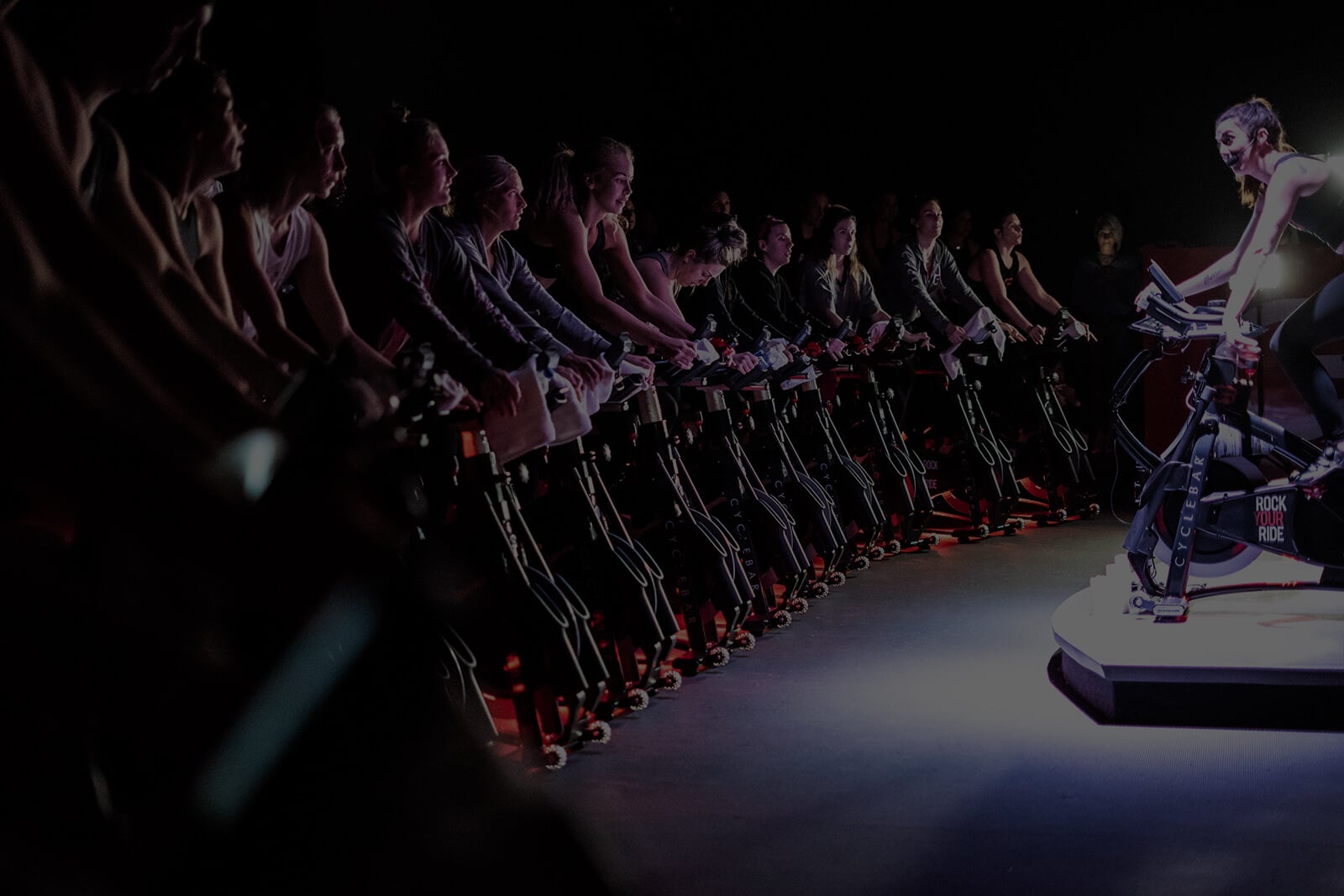
CycleBar occupies the boutique end of the exercise market: a focused group experience built around an instructor and a scheduled visit. Its expertise lies in arranging the encounter. Music sets the pace; coaching organizes the effort; the other riders give an individual workout a shared setting.
The company names two supporting systems. CycleBeats is its playlist database. CycleStats tracks daily and historical performance and emails results after rides. One helps shape how the workout feels. The other gives the rider something to examine afterward.
The formats offer different entry points. Classic mixes hills, drills, strength and endurance. Xpress compresses a rhythm-based interval ride into 30 minutes, including cooldown. The current US menu also lists Define, a coached small-group workout off the bike. Availability is a question for the local timetable.
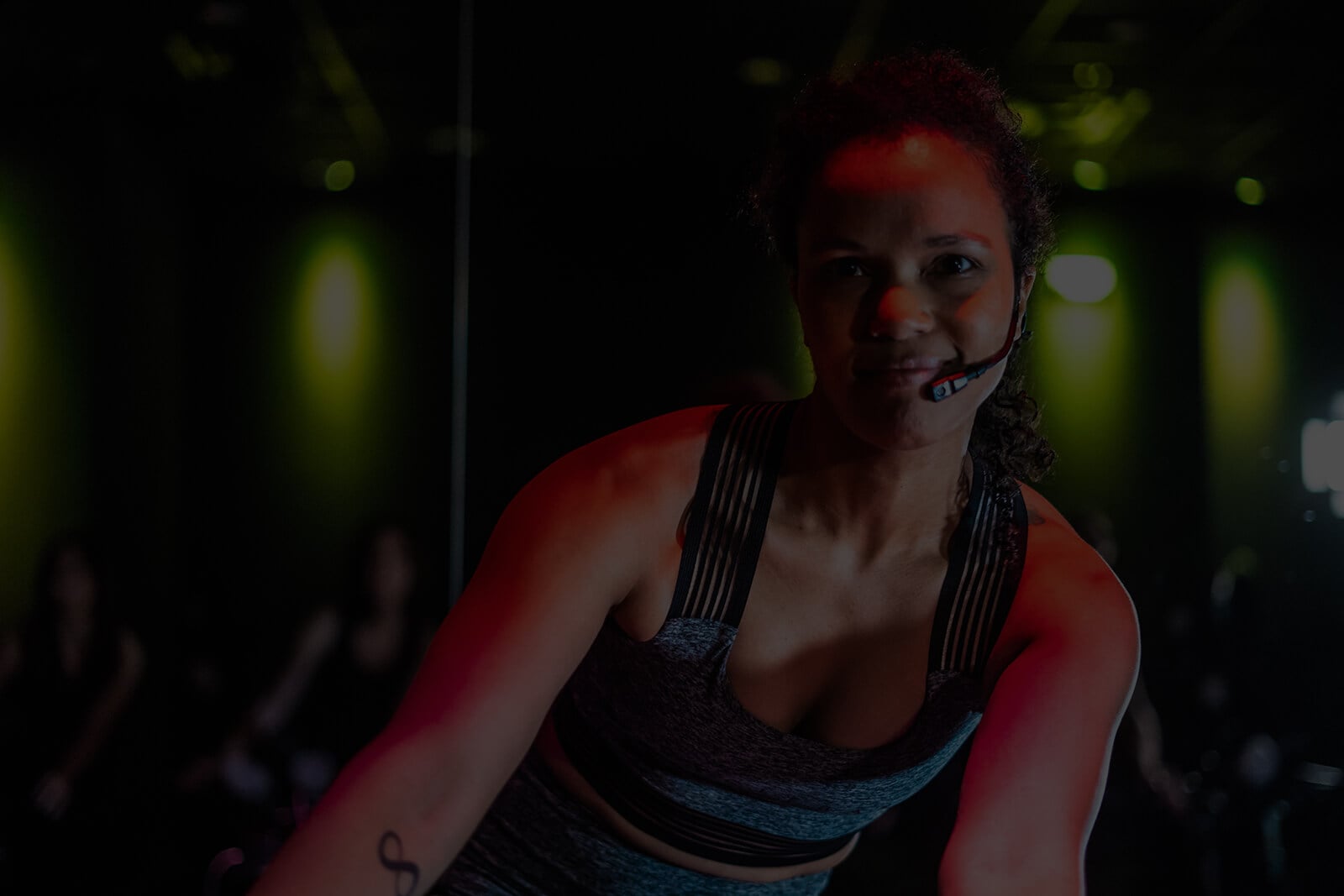
The welcome has practical machinery behind it. First-timers are asked to arrive 15 minutes early for a tour, shoes and bike setup. Towels and coded lockers remove a little more preparation. Shoes are available, although a rental charge may apply. The lesson for other service businesses is easy to borrow: explain the first visit before asking somebody to make a habit of it.
The price lives down the street
There is no single national ticket price. CycleBar tells prospective riders to check their local studio. Memberships generally belong to the location where they were bought; some studios under common ownership allow access between them. This makes the purchase unusually geographic. The best-looking plan still needs to fit the route between home, work and everything else.
Recurring memberships give a studio repeat revenue. For riders, value depends on attendance, booking availability and the agreement’s terms. Check renewal and cancellation rules, then count the classes you will realistically take. A generous allowance means little if the convenient sessions clash with your calendar.
$1,110,193
Published initial investment range on CycleBar’s franchise page, referencing its 2025 disclosure document. A startup estimate, not a return forecast.
Franchisees buy into a brand and operating system, with support covering site selection, leases, construction, hiring, sales and training. They still face the arithmetic of a physical location. Every class has a capacity. Every lease continues between classes. That is where the next chapter gets interesting.
When the room became the problem
In July 2025, Xponential sold CycleBar and Rumble to Extraordinary Brands. Later filings reported $7 million in combined consideration. That number covers both brands; treating it as CycleBar’s standalone price would be misleading. Xponential described the disposal as part of concentrating resources on its core businesses.
In a January 2026 interview, new leadership identified excessive premises as a recurring issue at underperforming locations. They discussed reducing many footprints by 30-50 percent and reported 130-plus studios at that time. The priority was an audit and stabilization before renewed growth.
“We need to slow down to speed up.”
Katy Richardson, Extraordinary Brands COO · January 2026
The implied lesson is blunt: enthusiasm cannot fill every square foot. Copy the care around the customer, but size the premises around credible local demand. The model becomes harder where overhead requires crowded classes the neighborhood cannot reliably supply. A national name cannot settle that local equation.
For an owner, the question is how often each bike earns its place. For a rider, it is whether a nearby class earns a place in the week. Those decisions meet at the studio door. The room needs enough repeat visits to cover its costs, and the customer needs enough useful visits to justify coming back.
A reason to gather
There is another use for the room. CycleGives lets organizations host fundraising rides with an instructor and staff. In February 2023, CycleBar’s American Heart Association campaign included $10 rides donating all proceeds, alongside a donation tied to retail purchases. A scheduled workout became a specific occasion to support a cause.
For a prospective rider, the choice is personal: try the class, meet the instructor, inspect the schedule. Alternatives include SoulCycle, independent studios, gym cycling classes and exercising at home. CycleBar’s proposition makes sense when the shared room helps you return. The business works only if enough neighbors reach the same conclusion.