Consider the peculiar bargain of a fitness class. You pay someone to make the next forty-five minutes difficult. You arrange your day around it, buy the shoes, and hope that eventually the obligation becomes a habit. Sadie Kurzban’s proposition was more mischievous: what if those forty-five minutes felt like the part of the day you had been waiting for?
At 305 Fitness, the answer involves nightclub lighting, dance moves and DJ music. The name borrows Miami’s area code; the business took shape in New York. Its signature workout mixes dance cardio with intervals, kickboxing and toning. The customer buys exercise, certainly, but also permission to be a little ridiculous in public. For someone who dreads the gym, that permission can be the product.
- A 45-minute dance-cardio class with DJ music and a beginner-friendly invitation.
- Studio bookings, an at-home subscription, instructor licensing and franchise opportunities.
- The instructive twist: a party atmosphere needs a repeatable production system.
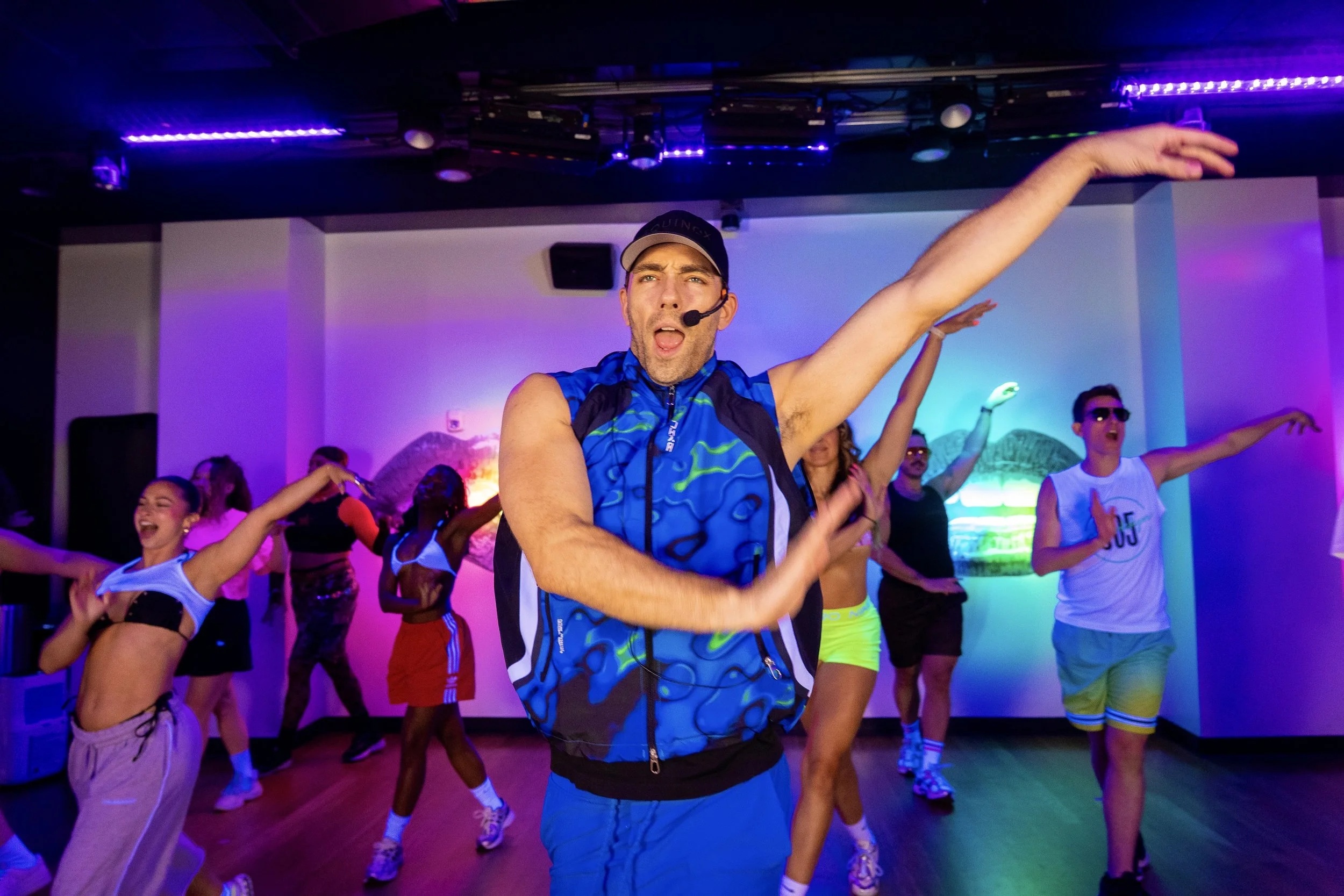
A $25,000 idea meets a very expensive room
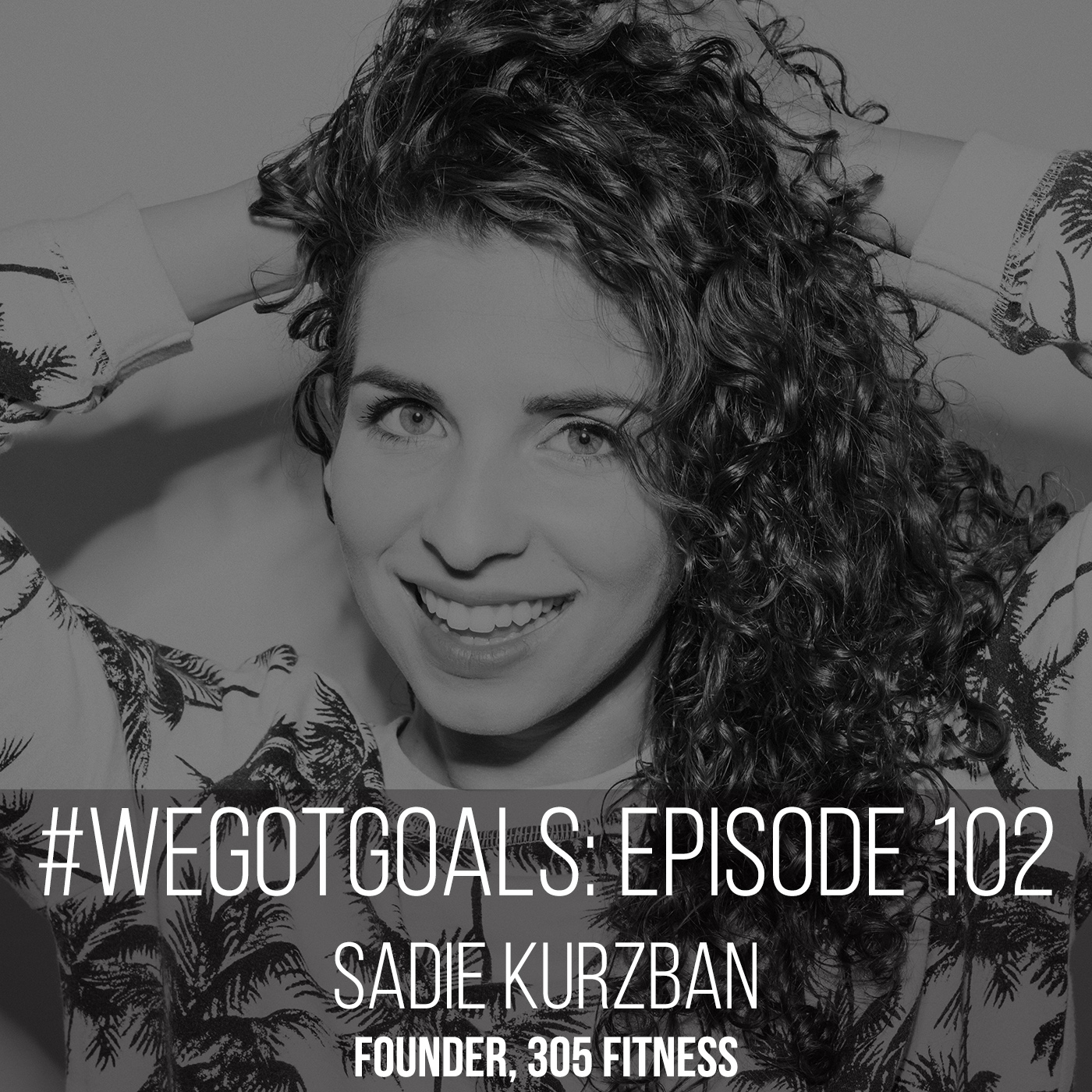
Kurzban was studying economics at Brown when she turned her enthusiasm for dance into a business plan. A university pitch competition supplied $25,000. She started the company in 2012, teaching in rented spaces before opening her first dedicated West Village studio in 2014. The early arrangement was simple: an instructor, music, a rented room.
Then came the room with her name on it. In a 2019 podcast interview, Kurzban recalled that the first physical space cost four times what she had planned. She had already taught the classes and built a following before taking on the more expensive commitment. Demand preceded decoration.
Even so, opening brought doubt. “I was super scared,” she told the interviewer. A week after the opening, she questioned whether she wanted the thing she had worked so hard to obtain. This is a useful correction to the tidy founder legend: evidence that people want your product does not make building the business painless.
The customer who doesn’t want a scoreboard
An early customer might look like Kurzban or her friends: a young woman tired of exercise presented as a punishment for having a body. But the invitation is wider than that. The company welcomes beginners, including people without dance experience. Its moves are described as wedding-dance-floor material rather than professional choreography. You need sneakers and willingness, not an audition.
This positioning has consequences. Kurzban has described investors suggesting that 305 introduce more performance metrics, along the lines of heart-rate-driven workouts. She resisted that direction. The distinction from alternatives such as Orangetheory is partly what the participant is asked to notice: the beat, the instructor, the other people, rather than a running numerical verdict.
There is a small inconsistency. A brand that rejects calorie obsession still advertises calorie-burn estimates in its FAQs. The more persuasive promise is the experience itself. Enjoying a session offers a reason to book another; it does not prove a particular health outcome or guarantee that everyone will keep coming.
“Everybody is a somebody and all bodies deserve to move, have fun, and release.”305 Fitness · Instructor certification
When the room disappeared
In 2020, the pandemic shut seven studios. The immediate weakness was dependence on people gathering indoors. The company’s reviewed, unaudited financial statements show revenue falling from $7.13 million in 2019 to $2.82 million in 2020, while the 2020 net loss reached $3.52 million. The party had substantial bills attached.
Yet the alternative was already under construction. In a later interview, Kurzban dated the instructor-certification programme to 2019. When studios closed, 305 pushed both certification and digital streaming. The change was in distribution: instead of requiring customers to reach a particular room, the company could equip someone else to lead a class.
Philadelphia offered a practical example. During 2020, independently certified instructors brought 305 classes to local participants, including outdoor sessions. Those instructors could set their own prices. This made the format portable and allowed pricing to reflect a different neighbourhood. It also shifted responsibility for assembling an audience toward the local teacher.
Three ways to take the party home
Today, the customer can book studio classes or subscribe to 305 At Home. The digital service lists $30.50 monthly and $305 annually, with more than 500 on-demand workouts and daily studio livestreams. Sessions range from ten to forty-five minutes. Dance cardio sits beside sculpt, flexibility and HIIT options, making a short session possible without a studio commute.
For teachers, the certification FAQ lists a $390 initial cost and $39 monthly membership. Training takes place live on Zoom; ongoing materials include choreography, custom DJ mixes and business tools. A teacher gets repeatable ingredients while retaining room to adapt a class to the people in front of them.
A dedicated franchise is a much larger purchase. The company advertises a total investment of $270,000 to $500,000 and a $300,000 net-worth requirement, alongside help with site selection, construction, sales and recruitment. Certification and owning a studio are distinct commitments. Buying the former is no shortcut around the latter’s property costs.
The social occasion is another sale. Private parties serve birthdays, bachelorettes and corporate groups, with requests for particular instructors, DJs and tracks. Meanwhile, Equinox schedules have carried 305 Dance classes. The brand can reach people through its own rooms, someone else’s gym, or a screen.
Website prices checked October 4, 2026. These buy different services.
Copy the sequence, then check the rent
There is a usable lesson here for anyone selling an experience. Start with the behaviour you want people to repeat. Test it somewhere you can rent. Learn what makes them return. Only then decide which parts require your own premises and which can be taught to someone else. The sequence is more useful than copying the disco ball.
The conditions matter. Loud music and collective exuberance will repel some customers; people seeking quiet or meticulous technique instruction may prefer another class. Online access removes travel but requires space and the inclination to move without a roomful of encouragement. A certified instructor still needs paying customers. A franchise still needs enough local demand to support its investment.
305’s expertise lies in arranging those human details: a manageable move, a well-timed cue, music that carries the next interval. Its business asks whether that arrangement can survive changes of venue and instructor. The answer gets tested each time someone chooses to show up again.
Find your next dance floor
Explore 305 Fitness, class bookings, 305 At Home, teacher training and franchising.
Watch the official YouTube workouts and move demonstrations. Hear Kurzban on Fitt Insider, or read the WLRN studio report.