In March 2018, a reviewer walked into Fithouse on the Bowery and encountered a small complication in a large promise. The promise was unlimited boutique fitness for $99 a month. The complication was the shower. There wasn’t one. For someone heading home, this hardly mattered. For someone heading to work, it could undo the entire bargain. A fitness membership, it turned out, had to fit more than a budget.
- One membership combined several boutique workout styles.
- The $99 launch offer was historical; later studio offers differed.
- Bari added bounce, sculpt and dance to the repertoire.
- Streaming followed the COVID shutdown; a founder later described the venture’s failure.
One bill, several kinds of sweat
New York already had plenty of ways to exercise. Fithouse’s opening was an argument about how people bought them. A yoga habit, a barre habit and a taste for sweaty circuits could mean different studios, different bookings and several running tabs. The customer might be loyal to exercise while remaining wonderfully unfaithful to any one kind of it.
Clément Benoit and Benjamin Chemla, previously co-founders of delivery startup Stuart, were named as Fithouse’s co-founders in its early coverage. Chase Rifkin, identified as a founder in a 2019 interview, brought experience at Nike and Bandier. Her partners had approached her through LinkedIn. Coffee followed. The resulting concept occupied the space between a general gym and a studio devoted to one discipline.
“Fitness has become very transactional and fragmented, and as a result, not personal.”
Chase Rifkin, 2019
The name for their answer was the All Class Club. Its customers were people who enjoyed instructor-led group exercise but wanted permission to alternate: something demanding one day, something different the next. Fithouse sold a recurring membership around that appetite. Its expertise lay in assembling instructors and workout formats into a shared experience, rather than asking members to settle on one method.
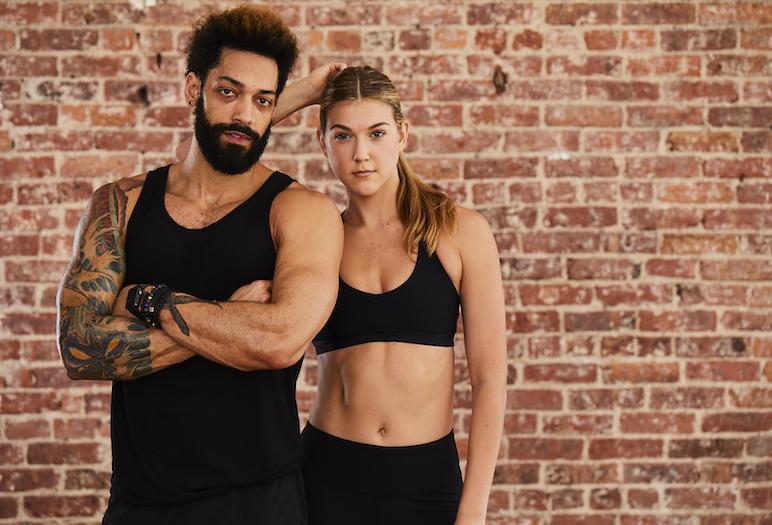
The missing shower, the changing address
The opening menu included barre fusion, vinyasa yoga and strength classes. Sessions ran 45 minutes. A March review described a $19, two-week trial and bookings through ClassPass and FitReserve as well as direct membership. The company operated its own spaces; the booking platforms could still introduce customers to them. The channels overlapped, even though the underlying businesses differed.
Property was part of the experiment. Early plans favoured vacant spaces, short commitments and relatively modest conversion costs. One reported fit-out estimate was about $150,000. That gave the concept a possible route into neighbourhoods without treating every address as a permanent marriage. It also raised a customer question: how dependable could a local club be if the location was deliberately flexible?
By July 2018, the Bowery address had closed. Members were directed to Noho, and the company described the original site as a pop-up. Calling that a failed studio would outrun the evidence. Still, the first address disappeared remarkably early. The useful distinction is between flexibility for the operator and continuity for the member. They do not always arrive in the same package.
A club acquires a repertoire
Fithouse then gained something more specific than another category on a schedule. Bari joined forces with it in 2018. Bari’s sculpting, dance and trampoline workouts brought an established method and instructors into the wider menu. At the new Tribeca studio, resistance bands and small trampolines supplied a rather lively interpretation of the word “equipment.”
That 4,400-square-foot location also complicates the famous launch price. October coverage listed memberships starting at $99, with unlimited access at $189. Those were different offers from different moments. The honest attraction was a bundle whose value depended on attendance, preferences and location. An unlimited membership becomes expensive very quickly when its owner keeps finding reasons to stay home.
Historical advertised offers, not current prices or a like-for-like price trend.
Union Square made the physical ambition clearer. A March 2019 review described three studios organised for barre, hot yoga and cardio or strength. It praised attentive coaching and group encouragement, while warning beginners about House HIIT. The club could offer choice without making every class equally suitable for everyone. Variety still needed judgement.
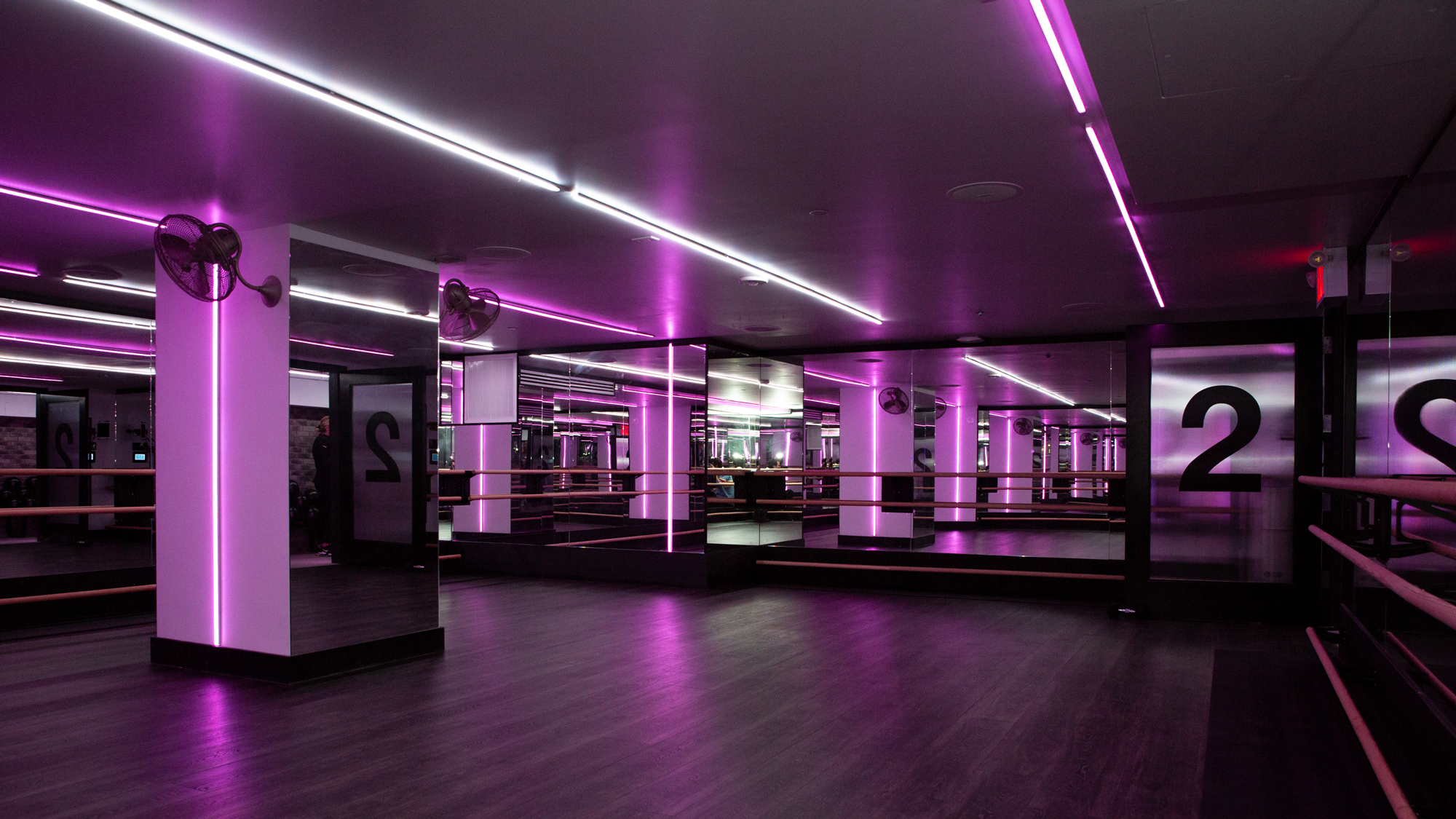
And the missing shower had acquired a sequel. At Union Square, the reviewer reported three showers in the women’s area serving three classes, with cramped space outside to get ready. A club’s capacity includes everything customers need before they leave. The workout might last 45 minutes; the queue could make its own additions to the timetable.
The room disappears
Then COVID removed the room from the proposition. In March 2020, Chemla closed the studios and arranged online exercise sessions. A spring workout guide listed daily Fithouse streams spanning dance, sculpt, HIIT and yoga, at $19.99 a month, with automatic cancellation when studios reopened. The terms framed streaming as a response to the interruption.
The physical club found another use. At Union Square, volunteers packed protective medical gowns among the fitness equipment for Garment District For Gowns. Chemla helped with logistics and hospital deliveries. The place built to gather exercisers became a staging point for getting supplies to people who needed them.
Fithouse’s company description later promoted live and on-demand workouts, selectable by instructor, body focus and duration, under the Netflix of Fitness label. But the later founder account supplies the ending: in a January 2024 interview, Chemla discussed having to close Fithouse because of COVID. Moving classes online had not saved the venture described in that account.
Copy the bundle. Count the bottlenecks.
The practical lesson is an interpretation of those events: bundle things customers already want to alternate between. Make trying another activity feel easy. Then count the mundane constraints - accessible addresses, crowded time slots, changing rooms and the cost of delivering instruction. The arithmetic has to work for the operator as well as the enthusiast.
A screen can carry a workout beyond New York. A club also depends on people turning up together, knowing the instructor and fitting the visit into a day. Fithouse’s history makes that distinction tangible. Anyone borrowing its membership idea should decide which parts customers are actually buying before assuming the whole experience can travel.