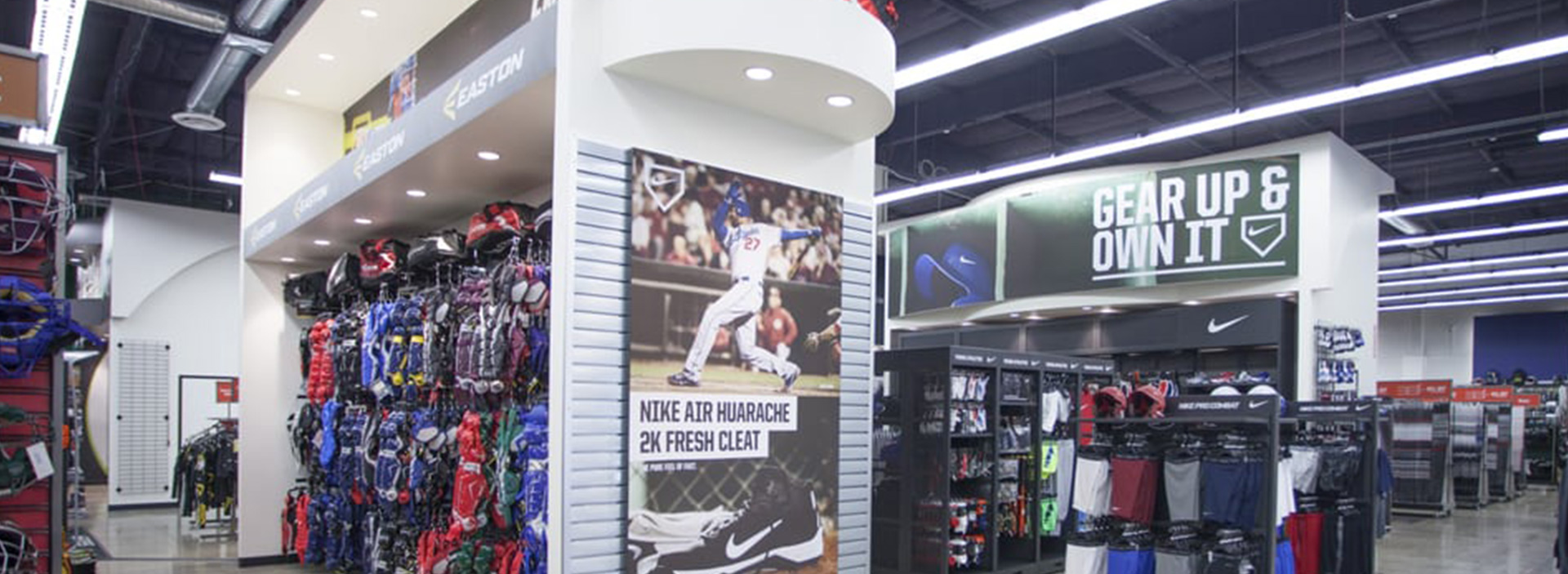
At MonkeySports, the trouble was in the transactions. The sporting-goods retailer had slow checkout processes, missing transactions and a point-of-sale system disconnected from SAP Business One. Its iVend case study describes a business struggling to make its sales floor and back office agree. Selling equipment was only part of the job. Keeping an accurate account of what had happened was another.
- CitiXsys makes iVend Retail: checkout, inventory, loyalty and commerce software.
- Its strongest argument is integration with the business systems retailers already use.
- The buying decision turns on implementation, recovery and the real cost of connecting everything.
That small administrative mess is a useful introduction to CitiXsys. Retail technology looks glamorous when somebody is waving a tablet. It becomes consequential when a purchase fails to reach the ledger. MonkeySports adopted an iVend deployment connected to SAP Business One, with loyalty and mobile POS among the listed components. The published account reports better stock reconciliation and transaction handling. The connection was the point.
A business built between systems
CitiXsys has a history that helps explain this preference for plumbing. A 2008 Dun & Bradstreet profile says it began commercial operations in 2002 as an SAP Business One services partner. Between 2004 and 2007, it developed its own software add-ons. Founder Kamal Karmakar’s business grew out of helping enterprise software do useful work inside actual companies.
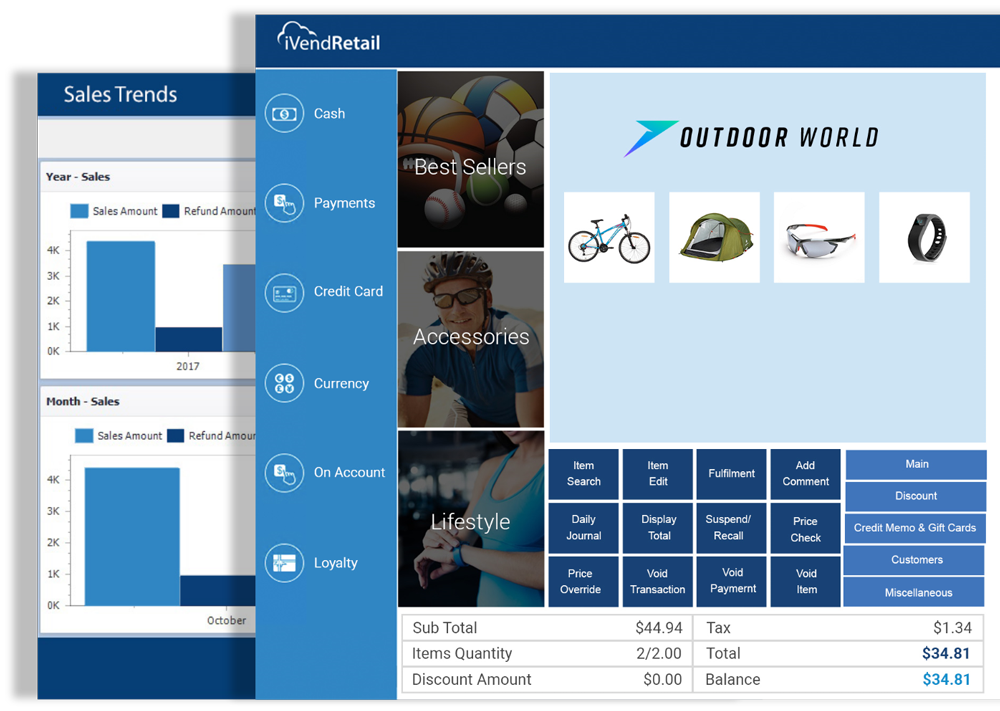
Today, iVend Retail occupies the busy ground between the register, the website and the enterprise resource planning system. ERP is where businesses manage functions such as finance and inventory. iVend supplies retail functions around that foundation, including checkout, customer rewards, promotions, reporting and stock management. Connections include SAP, Sage and Microsoft Dynamics; eCommerce options include Shopify and Magento.
The intended buyer is a retailer with operational complexity: several shops, different sales channels, perhaps multiple currencies. A Namibian group selling furniture and other goods has different needs from a merchant collecting payments at one counter. Nictus’s published case describes an ageing system that could not synchronise stores. Standardising POS and gaining inventory visibility mattered more than adding another attractive screen.
Sales + customers
Connected operations
Stock + accounts
One purchase has several destinations. Each handoff has to work.
The repair counter has other ideas
The revealing exception comes from jewellery. Chateau d’Ivoire, a Canadian retailer, needed functionality that an off-the-shelf POS could not provide, including a module for repairs. Repairs carry their own workflow: a customer relationship continues long after the original sale. Software built around the instant of payment can leave that work awkwardly outside the system.
According to iVend’s account, the jeweller chose its open APIs and hired a development and integration partner to build the customisations alongside SAP Business One. An API lets one application communicate with another. Here, that meant choosing a partner to fit the software around the business. It is a more interesting selling point than another list of checkout features.
CitiXsys’s distribution model follows the same logic. Certified partners bring implementation and integration expertise to regional customers. The arrangement can put local knowledge close to the shop floor. It also makes partner selection part of product selection. A buyer is choosing both software and the people who will translate stock rules, promotions and accounting requirements into a working installation.
The price lives in the handoffs
iVend Cloud packages software with application and infrastructure management. A public vendor FAQ also describes perpetual licensing with annual software assurance. Its historical subscription example starts at $160 monthly for one store and one POS. Treat that as a dated illustration. A retail project also needs hardware, integration, migration, training and support; those requirements determine whether a quote is useful.
The company itself attracted substantial capital. Housatonic Partners announced a growth investment in 2018; contemporary reporting put the Series B at $20 million. In November 2019, CitiXsys announced a $60 million financing led by Goldman Sachs’s Merchant Banking Division. The law firm involved describes a transaction involving a credit facility and warrants, a useful reminder that financing is broader than an equity cheque.
“offer complete infrastructure and application management to all retailers worldwide”
Kamal Karmakar / November 2019
That ambition makes commercial sense: operating the software gives CitiXsys a role beyond selling licences. Its current positioning emphasises cloud services, while older customer material includes on-premise deployments. The company now reports use in more than 90 countries. Those countries represent different retail circumstances, rather than evidence that every installation follows an identical recipe.
That distinction also clarifies the competitive choice. LS Retail, Retail Pro and Brightpearl sit among the alternatives a buyer might examine. The useful comparison begins with the retailer’s ERP, transaction patterns and support requirements. CitiXsys’s particular pitch combines retail functions with connectors and customisation. A demonstration should prove the fit with the customer’s own workflows, rather than rely on a generic feature checklist.
The company’s June 2026 blog topics return to this dependency: loyalty needs better retail data, and mobile POS needs a trustworthy stock view. The tablet can only display what the systems behind it know.
Pull the plug before you sign
The most useful product demonstration may be an interrupted one. iVend advertises offline checkout and subsequent synchronisation. Its support portal documents a replication incident in which the API service had not been configured. Configuring it and reinitialising the offline POS resolved the problem. The feature existed; the installation still needed the right setup.
A prospective customer can copy a practical lesson from that incident. Ask the implementation team to disconnect a till, complete transactions and reconnect it. Then inspect stock, customer history and accounting records. Test the awkward sale as well: a return, a special order, a repair. These are buying tests suggested by the evidence, rather than promises about every deployment.

For a retailer with a simple payment problem, this breadth could add unnecessary work. For one without a capable implementation partner, extensibility could become a maintenance burden. CitiXsys is most persuasive where a retailer needs its existing systems to cooperate. The receipt is easy to see. Whether the rest of the business believes it is the better question.