Five people were doing a job the software was supposed to make easier. At a travel and fintech merchant processing more than $1 billion a year, bank alerts arrived. Then somebody had to find the transaction, refund the customer and cancel a subscription. Repeat that across more than 100,000 alerts annually, and an early-warning system starts looking suspiciously like a full-time occupation.
- Chargeblast connects dispute warnings to refunds and other actions.
- Its customers include online shops and subscription businesses.
- Preventing a chargeback can protect an account while still costing a sale.
The warning was already there
The merchant already used Ethoca and Verifi, the card-network alert providers. Information was arriving. Work was accumulating. In Chargeblast’s May 2025 account, switching to its software added roughly $50,000 a year in alert costs. Automated matching, refunds and cancellations helped produce reported annual savings exceeding $300,000. Five employees moved to other work.
This is a useful introduction to Chargeblast because it puts the boring part first. The New York company sells tools for preventing and fighting chargebacks. Its practical value often sits between two familiar events: a bank sends a warning; a merchant does something about it. The second event needs to follow the first quickly, accurately and repeatedly.
The customer base reflects that concern. Chargeblast targets subscription software and e-commerce merchants, while also serving businesses such as nutraceutical sellers and telehealth platforms. A recurring payment creates recurring opportunities for a customer to forget, misunderstand or challenge a charge. For these operators, stopping the next unwanted renewal can be as useful as resolving the transaction already under review.
A business built from a missed alert
The founders had experienced the gap themselves. Qi Cao and his co-founders were running a consumer generative-AI subscription app when chargebacks began slipping through an existing solution. In a 2024 interview, Cao recalled a chargeback rate around 0.6% to 0.7% and anxiety about keeping their Stripe account. A support response took roughly two weeks.
“We don’t want to lose our Stripe account.”
Qi Cao, recalling the founders’ earlier business
That experience redirected their attention. They investigated Stripe’s mechanics and built deeper integrations. Chargeblast, founded in 2023 by CEO Cao, CTO Steven Petteruti and CRO Patrick Petteruti, made responsive support part of its offering. Today its About page promises each merchant a personal specialist and access to the founders. The engineering problem and the service promise share an origin: waiting was expensive.

Four moments. Four different jobs.
A chargeback begins when a customer challenges a payment through their bank. Chargeblast’s suite addresses several points around that process. Digital Receipts provides recognizable merchant and purchase details to participating issuers. Sometimes a puzzling statement entry needs an explanation before it becomes a complaint.
Alerts handles the next opportunity: an issuer warning before a formal chargeback. Chargeblast matches the warning to a transaction and can refund it automatically. Subscription cancellation can prevent the same unhappy customer from being billed again. Its payment connections include Stripe, Shopify and Braintree; the company describes itself as a direct reseller of Ethoca and Verifi services.
- RecognizeReceipt details can clear up confusion.
- Resolve earlyAn eligible alert triggers a timely refund.
- Make the caseEvidence supports deflection or recovery.
Deflection uses qualifying transaction history and identity evidence to shift liability back to an issuer. Recovery addresses chargebacks that still arrive: it collects evidence, prepares a case-specific rebuttal using AI and submits it after human review. Those distinctions matter. Clearing up confusion, returning money, shifting liability and winning money back produce different financial outcomes.
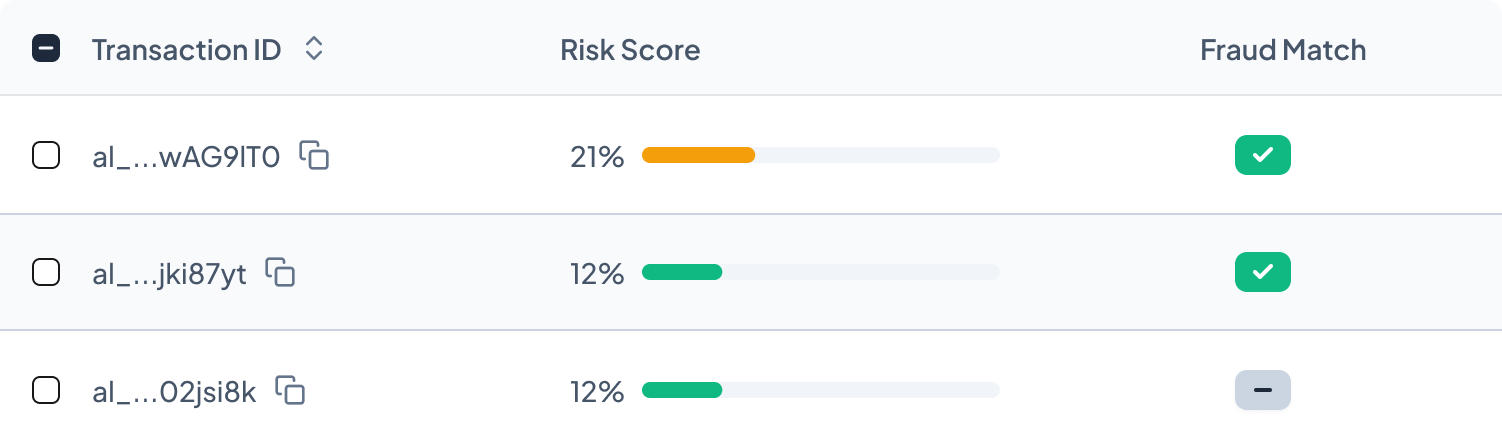
Installation gives the software practical authority. The Stripe app lists permission to read and write charges, refunds and disputes, including submitting evidence. A merchant is connecting an operating tool to its payments account. The useful setup conversation concerns which transactions it should act on, which records it can retrieve and which decisions need review.
The refund belongs in the budget
Chargeblast’s direct rate card lists $19 per Visa RDR or CDRN alert and $29 per Ethoca alert. Deflection costs $14 per deflected chargeback. Recovery takes 15% of recovered funds. Digital Receipts is free. The pricing page says there are no setup fees or monthly retainers.
- Visa alert
- $19
- Ethoca alert
- $29
- Deflection
- $14
- Recovery
- 15% of recovered funds
- Digital Receipts
- Free
The larger number can be the transaction itself. Refunding a $100 purchase returns $100 to the customer, before the service fee. Avoiding a chargeback does not preserve that sale. The merchant is weighing a refund against dispute fees, staff time, recovery prospects and the consequences of a deteriorating payment-account record.
Chargeblast’s own April 2026 explainer acknowledges the tension: automatically responding to every alert can be the wrong financial choice for a low-margin merchant. A seller comfortably inside its processor’s risk limits faces a different calculation from one worried about losing payment access. A lower dispute count is useful. Profitable prevention requires another calculation.
Twelve points, not a miracle
The Recovery product offers a second kind of test. In a January 2026 case study, Chargeblast reported that wellness brand SkinnyFit’s win rate rose from 47% to 59% over 45 days. That is twelve percentage points. It also reported more than 550 hours saved across over 1,000 disputes.
The described change was specific: collect records across payment systems and customer communications, then organize the evidence around the actual dispute reason. Proof of delivery answers a different question from proof that a subscription was authorized. Software can gather the material; somebody still needs a case the bank can evaluate. Chargeblast’s human review belongs in that sentence.
Copy the closed loop
Merchants can borrow the operating principle: connect the warning to the transaction, the decision and the next billing event. Measure resolved alerts, refund costs and net recoveries separately. Check what happens when a match is uncertain. These questions also make comparisons with Chargeflow, Chargeback.io or an internal team more useful than a headline win rate.
The approach needs participating issuers, correct enrollment, usable transaction data and action inside the relevant window. Evidence-based products need qualifying evidence. None of this repairs a confusing cancellation policy by itself. Chargeblast’s interesting wager is that a small interval in the payments system is large enough to build a business around. For the merchant, the question is what acting inside that interval is worth.