A bouquet is an uncomplicated declaration. A bottle of wine beside it introduces several departments. Someone must establish who can sell the bottle, where it can travel, what tax applies and whether the recipient is old enough. The shopper sees a gift. The merchant sees a project.
In November 2025, UrbanStems put wine into that familiar gifting transaction. Customers could add a bottle alongside their flowers without visiting another store. DRINKS supplied the connection to licensed sellers and the machinery behind the purchase.
- Anywhere connects storefronts to licensed alcohol suppliers.
- Assure checks alcohol tax and compliance inside Shopify.
- The bet: sell the bottle where the customer already shops.
The bottle was already part of the occasion
The business question starts with the audience a retailer already owns. Getting another visitor can require another advertising purchase. Offering an existing visitor a relevant addition uses the same encounter differently. For a gifting merchant, the appeal is practical: the customer has already chosen an occasion, a recipient and a budget. A bottle can fit that decision.
The attraction is easy to understand. Flowers and wine already occupy the same birthdays, thank-yous and anniversaries. UrbanStems did not have to invent an occasion. It had to make the second purchase fit the first.
DRINKS reports that UrbanStems orders containing wine averaged $189.30, compared with $121.81 without it. That is a comparison between baskets, not proof that wine caused the entire difference. Customers choosing a bottle may already be more generous spenders. Still, the company reports wine attached 62% more often than comparable add-ons. That is a useful merchandising signal.
The store was the rehearsal
Founded in 2013, DRINKS first learned the business by selling wine to consumers. It acquired Wine Insiders in 2014 and operated Martha Stewart Wine Co. Those storefronts put marketing, product selection and fulfillment in the same working laboratory.
By mid-2017, it was offering other retailers a plug-and-play platform. A $15 million Series B followed in September 2018, led by Beverly Pacific with Shea Ventures participating. Contemporary reporting put total funding at about $25 million. Engineering and compliance were among the planned investments.
The decisive choice arrived in 2023: DRINKS sold Wine Insiders to Full Glass Wine and concentrated on ecommerce technology. The customer-facing brand changed hands; the software relationship continued. Public statements framed the sale as a decision to pursue the technology opportunity. The company had become more interested in operating other people's wine machinery.
A checkout with a compliance department
Today, two products solve different problems. DRINKS Anywhere lets a non-alcohol merchant market bottles through its existing website or app. Licensed partners sell and fulfill the alcohol. DRINKS connects those parties and coordinates the regulated transaction. The merchant earns marketing royalties without buying the inventory.
DRINKS Assure serves licensed alcohol producers and retailers using Shopify. It brings tax calculation, age verification, shipping restrictions and volume checks into checkout. The distinction matters: a winery operating its own licensed business needs different assistance from a florist introducing wine.
Spring Mountain Vineyard illustrates the timing problem. Its previous compliance provider lacked direct Shopify integration when the winery migrated. Customers could pay before an eligibility problem was resolved. Assure moved checks into the purchase flow. DRINKS' case study reports a 5% reduction in failed orders and more than $6,000 in excise-tax savings over three months.
“fix compliance issues at checkout rather than collecting payments for non-compliant orders”
Melissa Lynch / Spring Mountain Vineyard
Configuration still matters. In a September 2026 Shopify review, Josh Cellars described initial problems that allowed fulfillment beyond certain state volume limits, then credited DRINKS with helping implement corrections. Buying compliance software does not remove the work of checking its setup.
Assure's published price starts at $250 monthly, plus 1% of sales above $25,000. At $50,000 in monthly sales, that formula produces $500 before any third-party age-verification fees. Merchants above $200,000 contact sales. Anywhere advertises no upfront investment; that describes its entry terms, not a promise that every commercial arrangement has identical economics.
$250 + 1% above $25,000. Excludes age-verification fees and other services. Above $200,000: custom pricing.
A label is data, too
There is also a division of labor worth noticing. A generic ecommerce platform can supply the storefront. An alcohol specialist supplies the category knowledge. An agency helps the merchant operate both. DRINKS packages those responsibilities together, which may appeal to a team that would otherwise coordinate several vendors. The price of that convenience deserves the same scrutiny as the software fee.
The company's expertise extends beyond rules. Co-founder and CEO Zac Brandenberg previously built digital advertising business Hydra. Co-founder Barry Collier, now product and technology chief, worked on Neopets. Chief compliance officer Kelly Martin brought experience across the alcohol industry's three tiers.


PAIR, its Predictive AI Retailing technology, treats a wine's presentation as information: label imagery, descriptions, prices and purchasing behavior can help select an assortment. Its tools recommend products, forecast reception and identify trends. This is merchandising software for an unusually crowded shelf.
Amplify adds the human work of Shopify implementation and retention marketing. DRINKS acquired the Electriq agency in 2022. Together, the products span attracting a buyer, choosing the assortment and completing an eligible order. That breadth distinguishes its offer from a standalone tax tool, though individual merchants may need only one part.
The next shelf is somebody else's website
Its position therefore sits between the merchant and the regulated supplier. Wine.com is a place a consumer goes to buy wine; Anywhere is infrastructure beneath a place the consumer already visits. For an operator evaluating the service, that difference determines the relevant comparison: building the connections internally, or paying somebody else to maintain them.
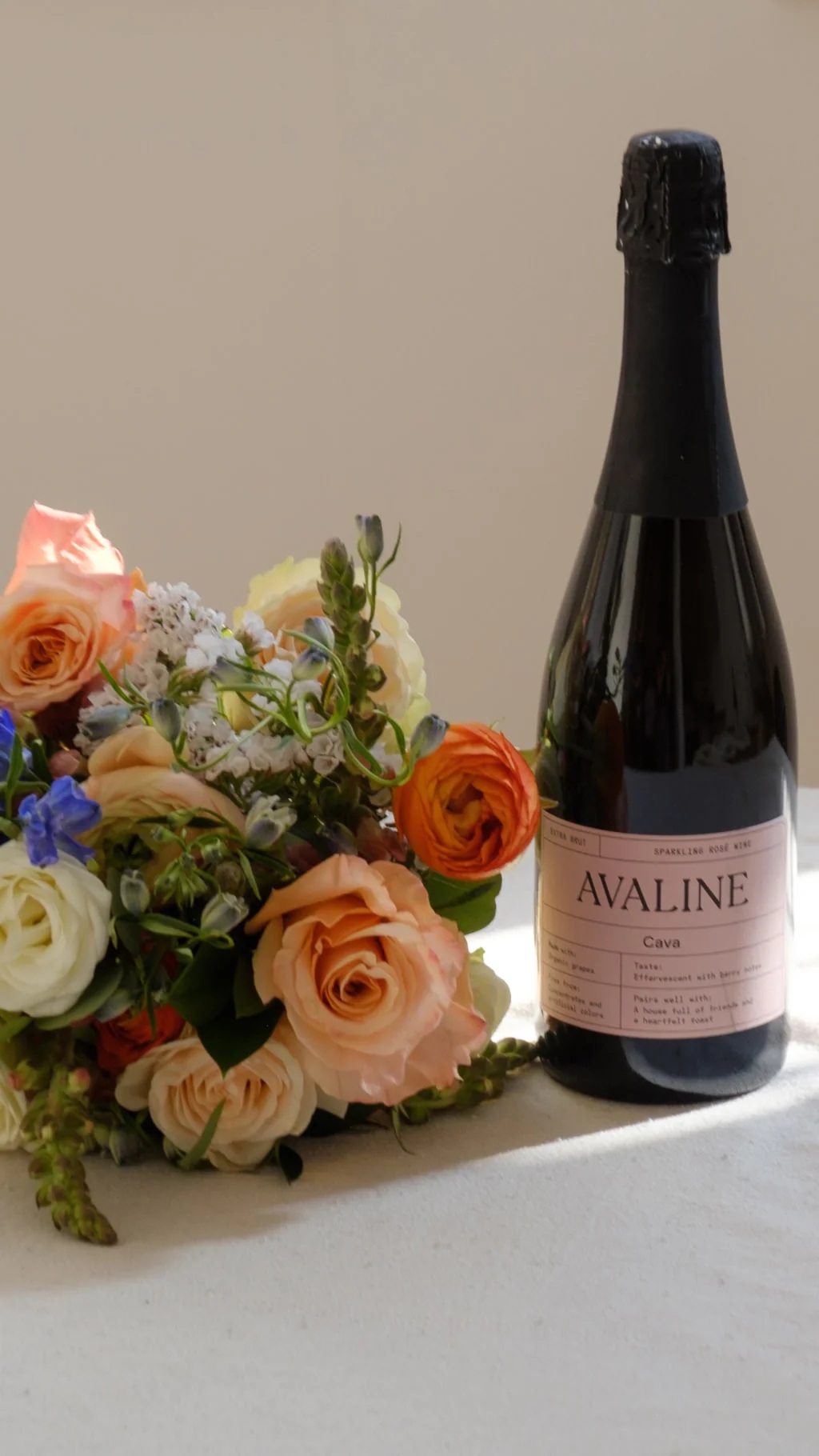
In January 2026, DRINKS launched its Anywhere supplier network with Avaline. Suppliers keep responsibility for inventory and fulfillment and control pricing and approved placement. A Commerce7 partnership announced that month planned to connect its winery portfolio. Commerce7 is therefore a partner even where buyers might compare its winery software with parts of DRINKS' offer.
Quince supplies another clue to the market position: its wine collaboration launched with Dom Pérignon Vintage 2015. DRINKS is selling access to existing shopping habits, whether the surrounding purchase is flowers or home entertaining.
The copyable lesson is modest. Choose a complementary product, introduce it before peak demand and measure attachment alongside margin and delivery problems. UrbanStems launched in November ahead of Valentine's Day. The approach depends on customer interest and eligible destinations; no amount of elegant checkout design can make an unavailable shipment available. The clever part is giving the bottle a place in a purchase already underway.