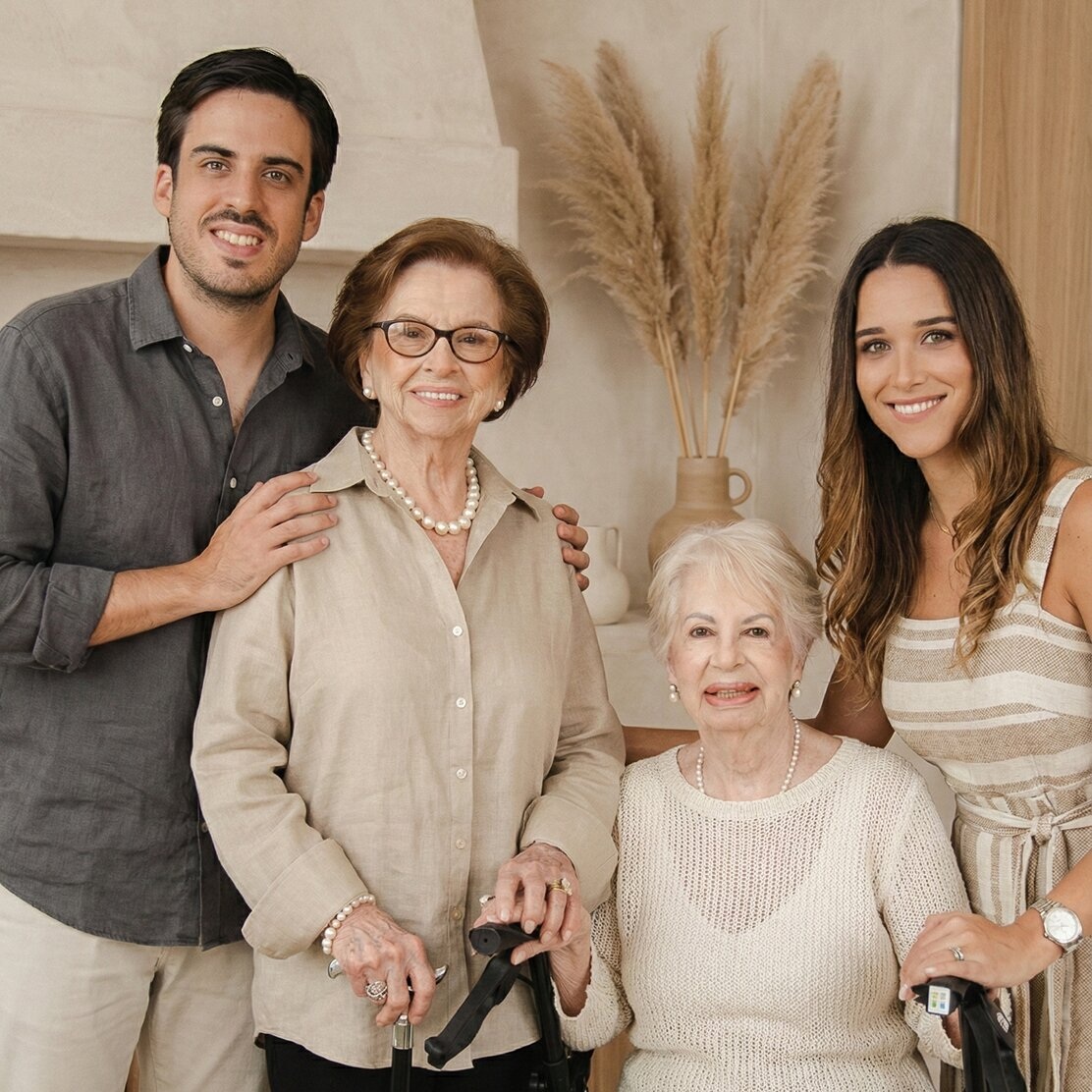
The hospital had supplied the products. Home supplied the questions. After her grandmother’s hip surgery, Bianca Padilla and her mother found themselves doing work for which neither had trained: choosing unfamiliar supplies, finding somewhere to buy them, working out how to use them. A product listing could tell them what was in a package. It was less helpful about what belonged in their house. That little distance between availability and understanding would become the territory of Carewell.
- Home healthcare supplies, with people who help you choose.
- One-time purchases first; recurring delivery when you want it.
- A retail business now reaching into care navigation.
The company sells things that rarely feature in glamorous startup stories: adult diapers, nutritional shakes, underpads, wound dressings, mobility aids. Its customers include relatives caring for loved ones and people managing their own needs. The interesting question is why someone would choose this particular store when plenty of stores can ship a box.
01 / The missing instructionA shelf is only half an answer
In a 2019 interview, Padilla described searching medical-supply aisles and talking to catalog sellers before finding something that helped her grandmother. “We didn’t even know where to start,” she said. Products existed. The family needed a way to judge them. Anyone who has compared two nearly identical packages while worrying about a parent will recognize the distinction.
Carewell puts guidance alongside the transaction: explanations, buying advice and a care team that helps customers choose supplies. Its expertise concerns the practical details of buying for care at home. A general marketplace leaves much of that interpretation to the buyer. Carewell is betting that interpretation is valuable enough to influence where the buyer shops.
The relationship was unusually direct in the early business. Padilla described Jonathan still speaking with customers himself, with her cousin leading customer care. Those calls brought the company close to the person making the decision. A question about absorbency could arrive wrapped in embarrassment, fatigue or concern about a relative’s comfort.
02 / A customer says noFirst, let me try the thing
The earliest offer got ahead of the customer. A founder interview describes a 2016 adult-diaper subscription experiment, followed by a broader ecommerce store in 2017. People wanted to try buying before committing. An initial design also missed the audience; conversations pushed the founders toward larger text, clearer buttons and more human help. These were changes to the offer itself, prompted by people declining it.
The financial discipline was plain: the founders reported no salary in year one and 60-day supplier terms. Receiving customer payments before supplier bills fell due gave them room to operate. The copyable idea is to lower the commitment required for a first purchase. It works when hesitation is something you can resolve, and repeat buying has a practical reason to exist.
03 / Tuesday comes againThe appeal of a boring delivery
Consumables have an advantage over many purchases: people need them again. That makes replenishment useful to the household and commercially attractive to the retailer. Carewell earns through product sales, online and by telephone. Autoship turns an individual order into a recurring one, with adjustable timing and 5% savings on selected brands. Customers can change or cancel their enrollment without a fee.
For the caregiver, the benefit is a task removed from the calendar. For Carewell, it is another order that need not begin with another search. The arrangement depends on fit: the product must work, the quantity must make sense and the schedule must follow the household. An efficient recurring delivery of the wrong supplies is simply a recurring problem.
The catalog also serves different stages of care. A household recovering from surgery may need wound supplies; another may be comparing nutrition products or daily living aids. In a 2022 interview, Padilla emphasized sourcing products with understandable packaging. The retail work includes making an unfamiliar category easier to enter.
An efficient recurring delivery of the wrong supplies is simply a recurring problem.
04 / The cost of growingChewy people, different boxes
Investors followed. Carewell announced more than $5 million in seed funding in September 2020. A reported $25 million round followed in 2021. That year it ranked No. 74 on the Inc. 5000, with reported three-year revenue growth of 5,162%. The percentage describes a particular growth period; it does not tell us what the business earns today.
In February 2024, Carewell announced a $24.7 million Series B led by the principals of MBF Healthcare, with Sageview Capital and Headline participating. The money was intended for growth, ecommerce technology and customer experience. Four senior appointments brought previous Chewy experience across finance, marketing, technology and service. The appeal is understandable: both businesses deal with recurring household needs and customers who care intensely about the recipient.
05 / Beyond the parcelSomeone else can sit on hold
Carewell’s current website takes the support proposition further. Its Care Concierge offering helps eligible patients manage appointments, referrals, insurance paperwork and benefits. The company describes Medicare Part B and some Medicare Advantage coverage, with individual benefits checked through a provider network partner. Clinical services are provided by OpenLoop and affiliated providers. The concierge handles coordination; it cannot replace a doctor or give medical advice.
That expansion follows the original problem into another room. A family buying supplies may also be chasing an authorization or trying to arrange an appointment. Carewell now presents help with both. Whether that becomes a durable advantage depends on execution across two different kinds of work: delivering products and coordinating services.
06 / Before you orderRead the small practical things
The retail promise has boundaries. Shipping covers the continental United States, with no overnight option. The current policy lists free shipping above $50 and a $7.95 charge below it. Returns have exclusions, and large approved returns can carry additional costs. Concierge eligibility requires verification. Someone needing immediate supplies, guaranteed reimbursement or clinical judgment has a problem a shopping cart cannot settle.
A sensible first order starts with checking the individual item’s return conditions and asking questions before buying a large quantity. Autoship becomes useful after the household understands its consumption. That sequence gives the customer a chance to learn before repetition makes the decision automatic.
For the right household, though, the attraction is refreshingly ordinary: understand the choice, get the supplies, spend less time arranging the next delivery. Carewell’s wager is that a family remembers who made an anxious purchase easier. The box arrives and gets opened. The useful explanation can stay with them considerably longer.