The problem with a car accident is that the person who needs help may be the person least able to ask for it. In 2015, a young software company called Bitcot offered an answer: let a headset notice. Its PlanetCar prototype used motion-sensing Plantronics hardware to detect movements consistent with a crash, then trigger an emergency alert. There was a small, sensible complication. The user had sixty seconds to cancel a false alarm.
- Builds custom apps, business platforms and automation.
- Healthcare projects include cancer research and sleep health.
- The recurring idea: connect the systems, then handle the exceptions.
That minute is a useful place to begin understanding Bitcot. Detecting something is one engineering problem. Deciding what should happen next is another. A dropped headset and an injured driver might produce confusingly similar signals. Between the sensor and the SOS, software has to make room for ordinary human messiness.
The prototype won a $50,000 Plantronics innovation prize against a field of 88 teams from 33 countries. A contemporary account described a 30-person remote company that earned its revenue making custom applications. The award supplied a good headline. The business underneath it was already about making somebody else’s idea work.
“If you’ve just been in an accident, you may not be able to reach your phone.”Raj Sanghvi, San Diego Business Journal, 2015
The space between two systems
Founder and CEO Raj Sanghvi started Bitcot in San Diego in 2014. In a Million Dollar Sellers interview, he recalled learning programming on paper before having access to a computer. It is an appealing origin for someone whose company now spends much of its time translating: a business requirement into a workflow, a workflow into code, one application’s output into another’s input.

Today, Bitcot describes distributed teams in the United States and India. Its menu includes web and mobile development, SaaS platforms, design, cloud engineering, quality assurance and support. Customers range from startups to enterprise teams. The breadth can sound like an agency directory. The portfolio makes it more legible: these are projects where buying another isolated tool would leave important work unfinished.
Consider EMBRACE, a digital intervention study for people newly diagnosed with cancer. Bitcot’s work with Stanford Medicine’s Mind & Body Lab brought together eligibility screening, participant onboarding, films, reflective questions, reminders and researcher controls. A study needs participants to get through its front door and keep returning. Software becomes part of that participation problem.
The project connects services including REDCap, Vimeo, Twilio and AWS. Each handles a different job. Bitcot’s contribution lies in arranging those jobs into a usable journey, with administrators able to change content and workflows. The practical distinction is worth noticing: a page that plays a film is simple; a research platform must also remember who should see it, when, and what happens afterward.
Four portals. One monthly headache.
The same logic turns up in less cinematic surroundings. Adjoin, a California social-services organization, had staff moving billing information from Excel reports into four regional portals. According to Bitcot’s case study, the process took dozens of staff hours each month and exposed submissions to transcription errors and missed entries.
Bitcot built two sequenced Microsoft Power Automate flows. The first prepares the numbers: combining staff hours, rounding to quarter-hours, checking authorized caps and matching providers. The second logs into the appropriate portal and enters the prepared records. Screenshots document submissions. Problem records get their own quarantine path. The company reports delivery in 25 business days and elimination of manual portal entry across the four systems.
- 01Read the report
- 02Apply the rules
- 03Enter the portals
- 04Keep the evidence
Two flows. Separate preparation from execution.
Illustration of Bitcot’s published implementation.
What was fragile first? The manual transfer between disconnected systems. What changed? Business rules that lived in staff members’ heads became explicit instructions. Another organization can copy that separation of preparation from execution. It can also copy the less glamorous precaution: decide where a bad record goes before the bad record arrives.
The app is the visible tip
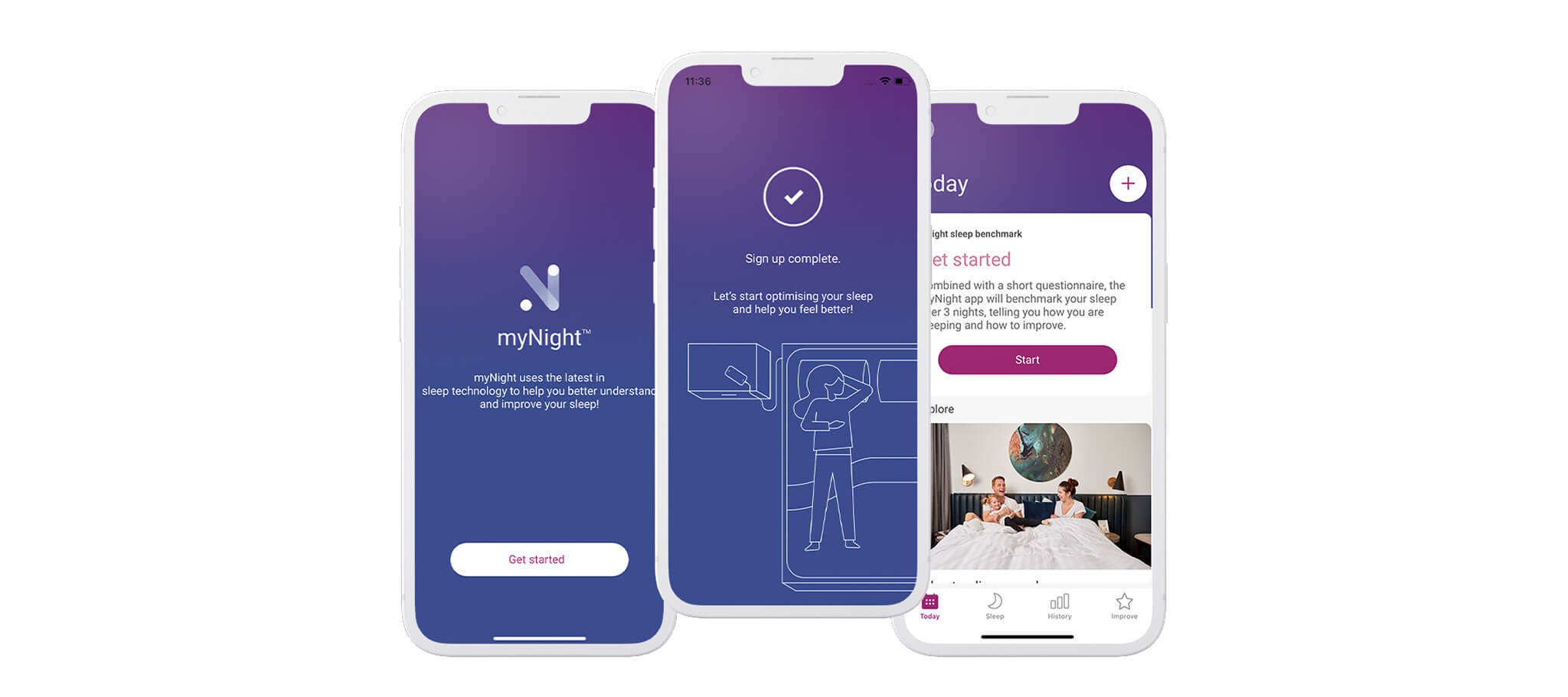
Healthcare supplies another version of the problem. For ResMed’s myNight application, Bitcot describes separate tracking and therapy journeys, integration with the FireFly sleep-analysis SDK, multilingual support and verification before releases. A three-night benchmarking experience is what users encounter. Integration, data handling and testing are much of what the development partner has to deliver.
This is where Bitcot fits in the market: a services company that builds and maintains software for clients. Its alternatives include another development agency, an internal team, or packaged software that already meets the need. Its current pitch emphasizes healthcare, AI and reusable components. The case for hiring it rests on relevant implementation experience and the usefulness of bringing design, engineering, integrations and operations into one engagement.
Ask the question. Protect the records.
In October 2026, Bitcot published a seller-data project that gives Claude access to Amazon business information through 22 read-only tools. Raw inputs are archived before transformation. Each brand gets an isolated database schema. Repeated collection updates existing records safely. The company describes an approximately four-week build.
The interesting constraint is read-only access. The assistant can retrieve information; it cannot rewrite seller records. That design addresses a specific need while limiting the consequences of a query. It also exposes the work behind an AI interface: reconcile formats, preserve originals, control permissions and make interrupted jobs recoverable.
Buy the scope, inspect the exceptions
For buyers, Clutch’s listing supplies a rough starting point: a $10,000-plus project minimum and a $25-$49 hourly range. These are directory bands, not a quote. Actual cost follows the agreed scope, integrations, testing and continuing support. The useful purchasing question is what happens after the demonstration, when a portal changes or a source report arrives twice.
The approach depends on clear rules and dependable inputs. A small business already well served by standard software may gain little from a custom build. A workflow whose rules keep changing needs maintenance as well as automation. Bitcot’s most transferable lesson is to examine the handoff closely. The sixty-second cancel window, the quarantined billing record and the read-only query all put the awkward case inside the design.