The toothbrush was an excellent conversation starter. Put Bluetooth inside something people use twice a day, connect it to an app, and suddenly dental insurance has an object you can hold. Beam’s early proposition made prevention visible. A bathroom habit could become data; data could help reward healthier behavior. For a business usually explained through deductibles and benefit schedules, this was unusually easy to picture.
Then came a small, awkward number. In 2024, only 4% of eligible members enrolled in Beam Perks, the rewards program built around the brush. Beam eventually stopped the program. The company kept going.
- Beam grew from a connected toothbrush into employer benefits.
- Its lasting tools help brokers quote and employers administer coverage.
- Perks ended in 2025; Principal acquired Beam in September 2026.
The gadget met the insurance business
Alex Frommeyer, Alex Curry and Dan Dykes started Beam in 2012 after meeting at the University of Louisville. Their engineering backgrounds produced the connected brush; dental coverage became the larger opportunity. In 2014, the business moved to Columbus with a $5 million investment from Drive Capital.
Frommeyer’s later account supplies the less polished version. Early hardware consumed cash through inventory, manufacturing and marketing. Insurance pilots struggled to become working implementations. Building an insurance operation brought another delay: regulatory approval. By spring 2016, he recalls, Beam had roughly $500,000 left and was spending about $200,000 a month. The team shrank from 24 people to eight. Software could be built; permission to sell required waiting.
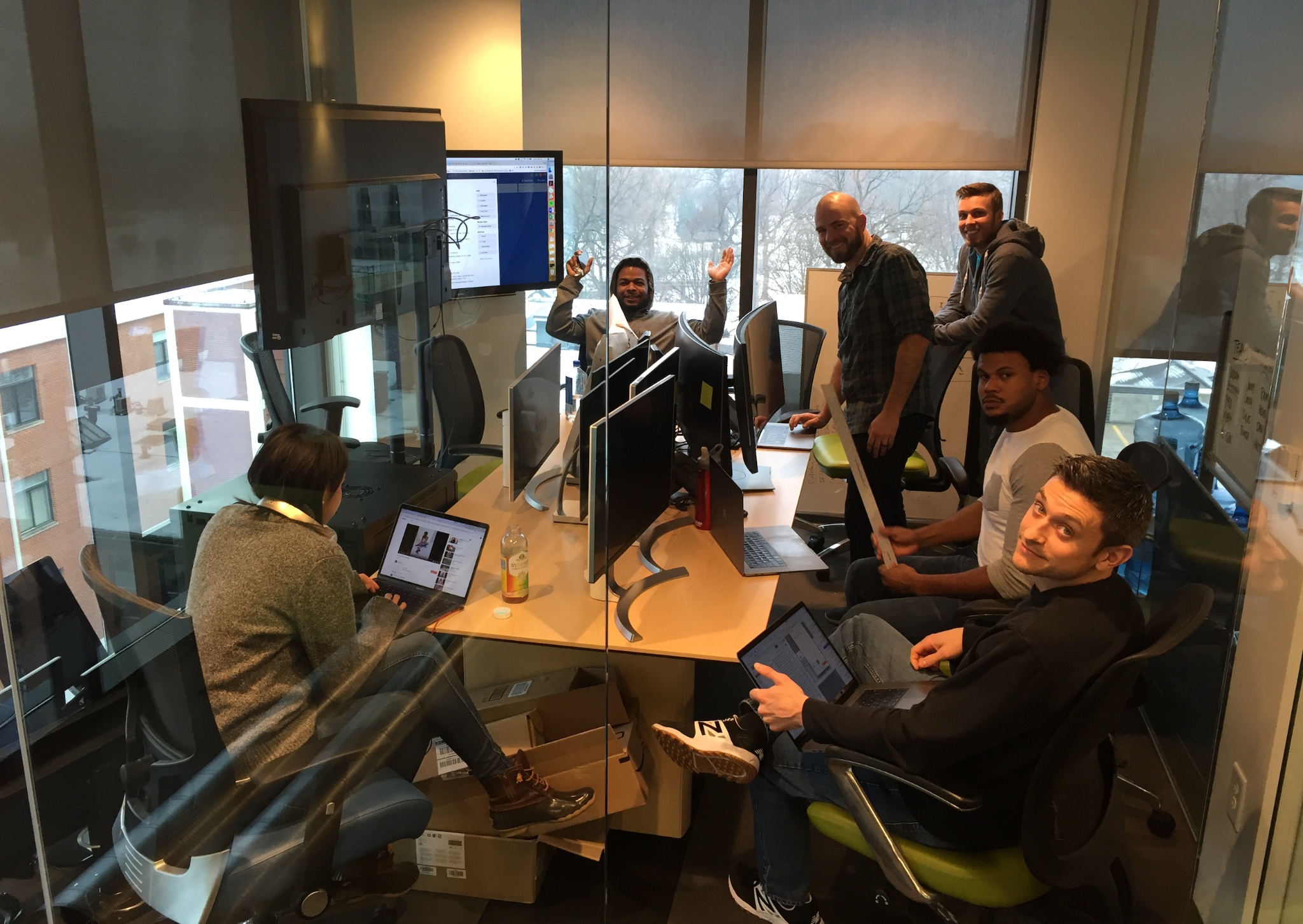
The sequence matters. A product can be technically ready while its business remains unable to trade. Beam’s early problem was partly the distance between those two milestones. Founders entering regulated markets can copy the useful precaution: budget for the waiting, alongside the building.
The customer had a broker
Today, Beam sells the benefits around the edges of a conventional medical plan: dental, vision, life, disability and supplemental health. Its small business emphasis gives the technology a specific job. An employer needs coverage employees can use. A broker needs to compare and place it. Someone then has to enroll people, handle billing and answer questions when a card goes missing.
Beam puts those chores into digital tools. Its broker page advertises quotes in 30 seconds or less, including underwritten, bindable rates. That is a company claim about quoting speed, rather than a promise that every group can complete an entire purchase in half a minute. Lighthouse gives employers a place for administration and employee education. Member tools expose plan information; provider tools support eligibility and claims checks.
For a small employer without a substantial human resources department, that is a sensible pitch. The product combines coverage with the work of running coverage. Its distinction rests on the experience of buying and managing benefits, alongside the policy itself.
It also depends on partnerships. The Hartford relationship announced in 2023 worked in both directions: Hartford’s small business channel gained Beam dental and vision, while Beam added Hartford disability. Benefix brought live Beam quotes into a platform brokers already used. The practical advantage is meeting an intermediary inside an existing workflow.
The insurance underneath remains specific. Named carriers underwrite different products, with arrangements varying by state. Employers pay premiums; Beam markets and administers coverage through its insurance entities. Calling this simply a software subscription misses the policy, the network and the claims obligations behind the screen.
Four people in a hundred
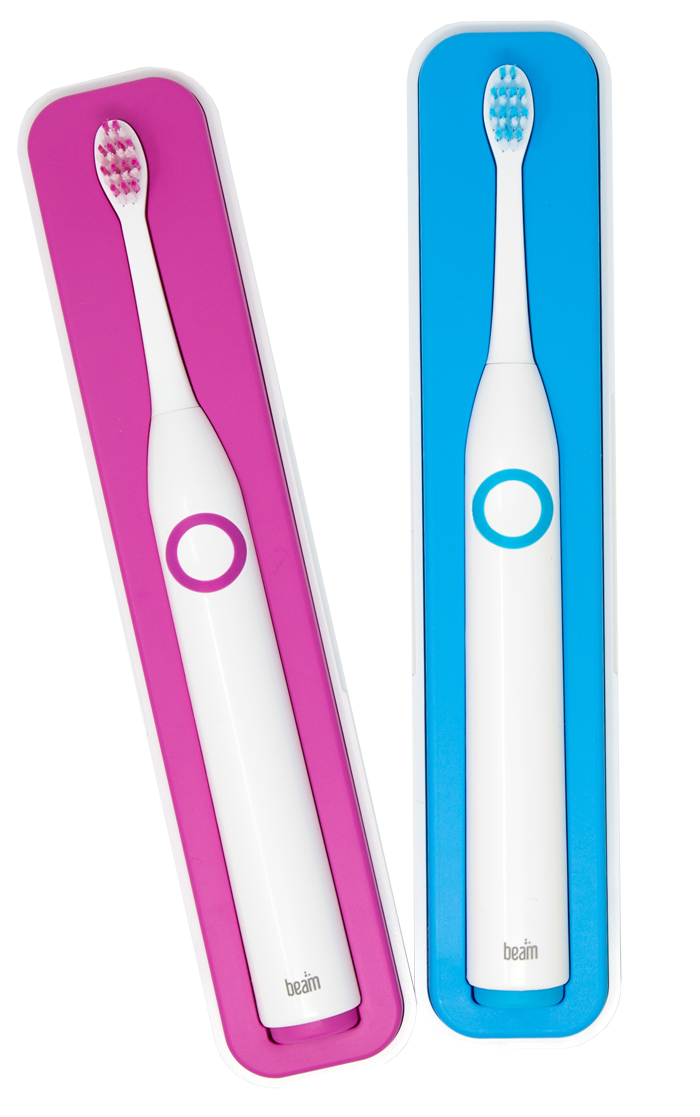
Beam’s signature experiment was the link between brushing and insurance. Historically, Perks supplied oral-care products and rewarded consistent habits. It gave the brand a memorable identity. But a memorable feature still has to earn participation.
Beam’s internal data, January-October 2024. Each square below represents one percentage point.
Beam’s shutdown notice cited declining participation and increasing costs. Perks concluded in May 2025, and warehouse operations ended. Existing insurance benefits continued. That distinction is essential for anyone encountering an old Beam description: the brush explains the company’s history, while the rewards program is no longer an enrollment benefit.
The lesson for product teams is uncomfortable and useful. Count the people who take up the offer. Put that beside the cost of continuing it. A feature can make a company recognizable long after it stops being useful enough to maintain.
A bigger company wanted the machinery
Principal announced its agreement to acquire Beam in July 2026 and completed the deal on September 1. Beam brought more than 25,000 small business customers. Principal reported approximately $175 million in Beam premiums for 2025. Premium volume measures insurance business; it should not be read as Beam’s revenue.
The business had taken substantial capital to build. Beam’s September 2023 financing added $40 million, taking disclosed cumulative funding above $200 million. That money supported a wider product range and digital platform investment. The acquisition’s financial terms were undisclosed.
“faster quoting, streamlined onboarding, and an easier experience for employers and brokers”
Tolithia Kornweibel, Beam CEO, describing the business at the September 2026 closing
Principal emphasized those operating capabilities, alongside Beam’s customers. Its broker communication promised continuity through the 2026 renewal season, with the offerings increasingly coming together during 2027. The integration is a plan in progress.
For buyers, the sensible next step remains concrete: ask a broker for a quote, check the actual dentist network, and compare benefit limits and out-of-pocket costs with alternatives such as Delta Dental, Guardian or MetLife. Beam advertises customizable dental plans and a broad network, but local participation and the selected policy decide whether it fits. A quick quote cannot make an unsuitable plan suitable.
Beam’s evolution leaves a useful question for any company with a beloved origin story: which part are customers actually buying? The toothbrush made benefits easier to talk about. The business that survived helps people buy, manage and use them.