A grocery shop has two kinds of customers: the people who buy from it, and the suppliers who need its attention before anyone can buy anything. In Pakistan’s kiryana stores, restocking can involve a procession of deliveries and trips to wholesalers. The inconvenience lives behind the counter. Bazaar Technologies built its first business there.
- The starting point: help shopkeepers order inventory through a phone.
- The wider offer: household shopping and procurement for offices, restaurants and institutions.
- The next connection: payments, through the 2025 acquisition of Keenu.
That makes Bazaar an interesting company to watch even if you never order from it. Its history puts a practical question beneath the usual talk of digital transformation: how much of a customer’s working day must you understand before you can change it?
First, keep the shop open
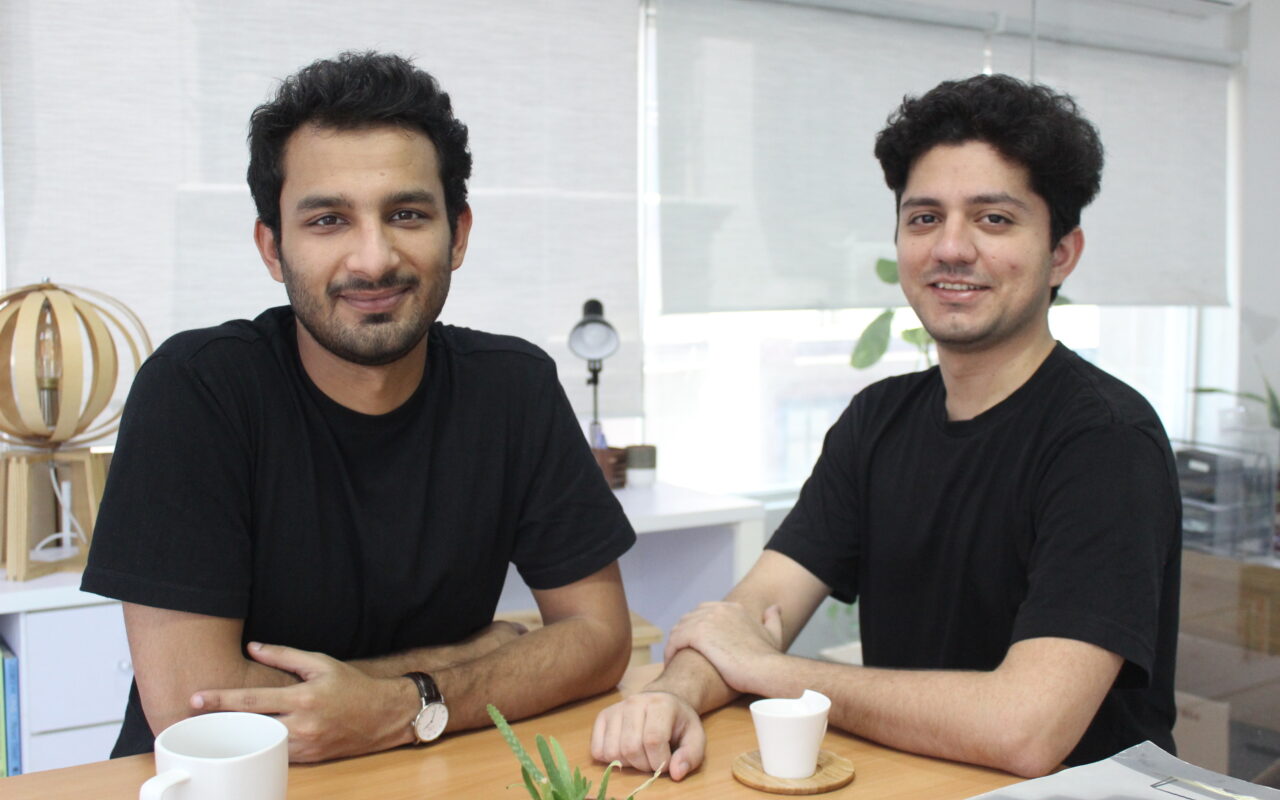
Saad Jangda and Hamza Jawaid knew each other as children. They later reconnected in Dubai, where Jangda worked on products at Careem and Jawaid was a McKinsey consultant. Returning to Pakistan gave their ambition a specific address. In 2020, they launched a mobile marketplace for neighborhood retailers.
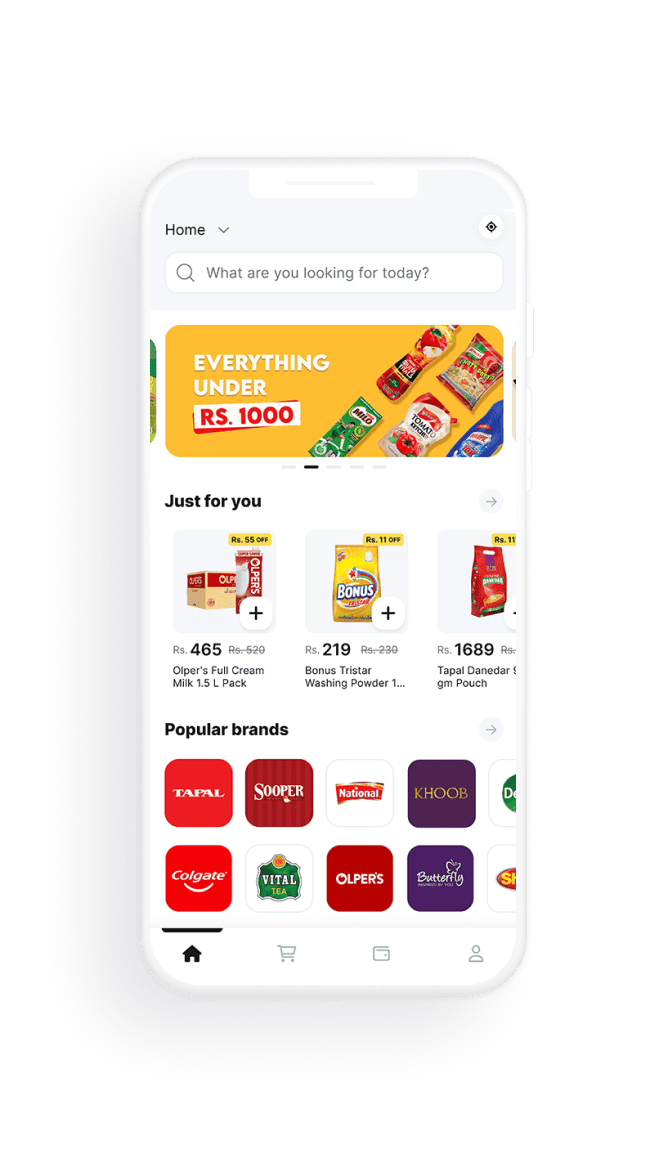
The original proposition was easy to grasp. Choose stock on a smartphone, then receive it the next day. A retailer buying flour or sugar from a wholesaler might otherwise have to leave the shop. Every procurement trip therefore competed with selling time. Consolidating purchases could remove some of that friction.
Early demand exceeded their initial expectations. In January 2021, reporting described a year-end target of 800 Karachi retailers and an actual tally above 10,000. The catalogue then contained more than 500 stock-keeping units. Small beginnings, yes, but built around something people needed repeatedly.
“It’s all about convenience and value.”Hamza Jawaid, speaking to Forbes in 2022
The money bought room to experiment
Bazaar’s announced fundraising accelerated: $1.3 million in pre-seed capital in 2020, $6.5 million in seed funding, $30 million in Series A financing, then $70 million in March 2022. The four rounds totalled $107.8 million. Dragoneer and Tiger Global led the Series B.
The business was already reaching beyond ordering. Its historical product suite included Easy Khata, a digital ledger, and Bazaar Credit, short-term working capital for merchants. Endeavor described that combination when it selected the founders in 2022. Buying inventory, recording debts and financing purchases were connected tasks inside the same small business.
The useful insight is the sequence. A repeat transaction gives a company a reason to stay in contact with a customer; a useful record gives that relationship more information. Extending into finance can follow from understanding the trade. It still requires its own judgment about risk.
The distributor was already there
A marketplace screen is only the visible part of Bazaar’s expertise. The company also has to source goods and organize fulfillment. Those operations place it in distribution as much as software. Traditional suppliers already compete through prices, incentives and relationships. A shopkeeper has good reasons to keep buying from someone familiar.
Bazaar Prime, announced in 2023, approached that relationship from the supplier’s side. It offered brands exclusive distribution in designated markets, using Bazaar’s existing infrastructure. The buyer wanted dependable stock. The brand wanted more places to sell it. Serving both meant earning a place between them.
Then came a costly correction. In February 2024, Profit reported approximately 600 job losses and the closure of phone and pharmaceutical pilots. Bazaar said those pilots contributed less than 2% of its business. Jangda pointed to import restrictions, currency swings and uneven supply. The company concentrated on food, groceries and other selected segments.
This is where the story becomes useful to another founder. Adjacent categories can look similar on a presentation while behaving differently in purchasing and delivery. A network that handles one basket does not automatically make every new basket economical.
Tea for the office. Supplies for the kitchen.
Bazaar Pro’s September 2024 announcement made the broader customer clearer. Offices and restaurants need replenishment too. So do hotels, hospitals, bakeries and institutions. The current offer advertises more than 2,000 products across over 30 categories, dedicated account managers, flexible payment terms and next-day delivery.
Replenish.
Get back to work.
Groceries, stationery, cleaning supplies and packaging fit the same everyday procurement problem.
The launch announcement named TCS, ARY Digital, Ismail Industries and Rehmat-e-Shereen as customers, and suppliers including Reckitt and Mezan. It was a sponsored announcement, so those names establish the stated relationships rather than independently measured results.
For a business buyer, the appeal is fewer separate sourcing chores. For suppliers, the offer is access to buyers and distribution infrastructure. Commerce margins and service economics sit underneath it; the public material does not justify treating Bazaar as a conventional software-subscription business.

The checkout joins the basket
Reporting in July 2025 described Bazaar’s move into direct consumer sales as beginning in 2024. Its website now addresses homes alongside businesses. That expansion makes the Keenu acquisition more legible: the group can participate in buying goods and accepting the payment.
Pakistan’s competition regulator cleared the purchase of Wemsol, Keenu’s operator, in March 2025. Bazaar announced the acquisition that July. Keenu provides merchant payment acceptance, online payment services and wallet functionality. Its current website claims more than 25,000 business customers. That number belongs to Keenu’s stated network, not a count of Bazaar grocery buyers.
The copyable part is modest: begin with a frequent, expensive chore, then test the services around it. The conditions matter. Orders must support delivery costs; customers must value the convenience; payment terms must account for repayment risk. A trusted incumbent with better economics remains a formidable alternative.
Bazaar’s most revealing change is in who appears on the other side of the screen. First came the shopkeeper. Then the office buyer, the restaurant and the household. Bringing payments into that picture expands the ambition. Its value will be decided in the ordinary transaction: the right goods, delivered as promised, paid for without another headache.