Company Profile / Online Safety · Atlanta
The App That Reads Your Kid's Texts So You Don't Have To
Brian Bason built a Twitter ad-tech company, sold it, then had kids - and realized the internet he'd helped build had no adults watching the door. Bark is his answer: AI that watches for the worst so parents don't have to read everything.
In 2015, Brian Bason had a resume that read like a case study in the attention economy. He'd been a technology executive, most recently the CTO of an influencer-marketing startup called Niche that Twitter bought. He understood, from the inside, exactly how the modern internet keeps people scrolling. Then he had two young sons, looked at the phones his kids would soon be holding, and found that the thing he wanted did not exist: a way to know when something was genuinely wrong online without reading every word his children typed.
So he built it. Bark - now Bark Technologies, headquartered in Atlanta - started as a piece of software that watches a child's texts, email, and social apps and, using AI, flags only the messages that suggest real danger. Ten years on, that narrow idea has grown into a company of roughly 150 people, a hardware line, a free product used by thousands of schools, and a claim that it helps protect more than 7 million kids.
01 / The IdeaSurfacing the signal, hiding the firehose
The category Bark competes in is crowded with apps that promise "visibility." Bark's founding insight was that visibility is the wrong product. A parent handed a live feed of a teenager's group chat gets two bad outcomes at once: they drown in noise, and they torch the trust that makes a kid tell them anything. Bark's pitch is the opposite. Its models read for context - slang, emojis, tone - across more than 30 apps and platforms, and stay silent until they detect something that fits a category worth interrupting a parent's day: cyberbullying, sexual content, threats of violence, online predators, or signs of self-harm and suicidal ideation.
Bark alerts parents only when there is a credible threat - be it sexting, cyberbullying, internet predators, or even suicidal thoughts.- How Bark describes its own product
That restraint is the whole design. The AI is built to not show you most of what your kid does, which is a strange thing for a monitoring company to brag about and precisely why parents trust it. The scale behind the silence is large: Bark says it analyzed a record 11.1 billion data points - messages and files - in 2025, up a steep curve from prior years.
02 / The ProductsFrom an app to a phone, a watch, and a router
Software has a weakness: kids route around it. A teenager who wants to hide will delete an app, borrow a friend's device, or find the one platform your filter doesn't cover. Bark's answer was to stop fighting the hardware and start building it - to put the safety in the device itself, where it can't be uninstalled.
The Bark App remains the front door: a subscription service, starting around $5 a month and roughly $14-$20 at the premium tier, that layers monitoring, screen-time schedules, and website filtering onto phones a family already owns. Bark Home extended that to the whole house, applying rules to TVs, tablets, consoles, and computers at the network level. Then came the hardware kids actually carry.
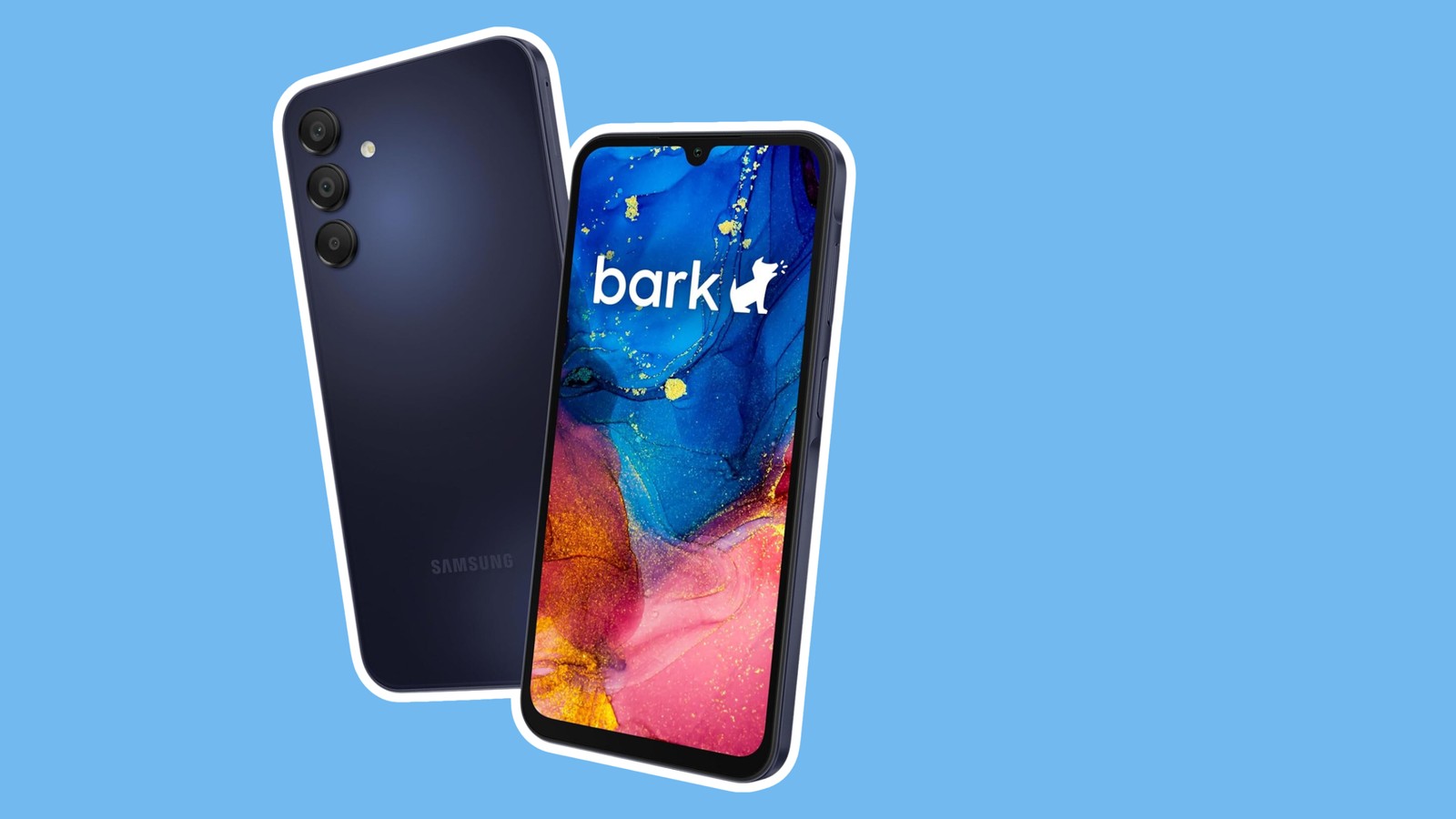
Bark Phone - a normal-looking Android with parental controls fused into the operating system, sold on a monthly device-plus-wireless plan. The controls can't be deleted or bypassed.
Bark Watch - a GPS smartwatch (around $169 plus a monthly plan) with talk, text, location tracking, and an SOS button for kids too young for a phone.
Bark for Schools - the same monitoring, given to schools for free, scanning school-issued email, documents, and browsing for threats and self-harm.
Each hardware launch is the same idea aimed at a new surface. The Bark Phone looks and works like an ordinary Android so a kid will keep it in a pocket; the safety only shows itself when it needs to. The Bark Watch meets a younger child where a phone would be too much. Both keep the family paying a recurring subscription, which is the point.
03 / The BusinessFree for schools, subscription for families
Bark's model is direct-to-consumer subscription plus hardware. Families pay monthly or yearly for the app and for devices, and the wireless plan bundled with a Bark Phone turns the company into something close to a kid-focused mobile carrier. Recurring revenue is the engine.
The move worth studying is the free one. Bark for Schools costs districts nothing, and more than 3,600 of them use it. That is not charity dressed as strategy - it is distribution. A free product embedded in thousands of schools puts Bark in front of exactly the parents it wants as paying customers, and builds a moat a competitor can't simply outspend. It also produces the data behind Bark's annual report, a document that lands as press, research credibility, and product proof all at once.
Bark gives its best product away to schools. The free tier isn't a growth hack - it's the distribution.- The strategic read
04 / The Money$67M raised, and a market that only grows
Bark has raised roughly $67 million to date. It started with a $575K seed in 2015, moved through venture rounds, and in June 2022 closed a $30 million Series C led by Kayne Partners, the growth-equity group of Kayne Anderson Capital Advisors, earmarked for global expansion. Managing Partner Leon Chen joined the board.
The market underneath is one of the few that grows precisely as the internet gets scarier. Every year more children get connected younger, and every year the report Bark publishes gives parents fresh reasons to worry - tween engagement with disordered-eating content, Bark noted, is up 650% since 2021. That is a grim tailwind, and Bark is built to ride it responsibly rather than sell panic.
05 / The CompetitionMonitoring-first, in a field of control-first apps
Bark shares a shelf with Qustodio, Aura, Life360, Net Nanny, Canopy, and the free defaults built into phones - Google Family Link and Apple Screen Time. The honest differentiator is philosophy. Qustodio and most rivals lead with control: screen-time rules, call blocking, geo-fencing. Aura bundles safety into a broader digital-security suite with a VPN and antivirus. Bark leads with detection - it watches the content and alerts you when something's wrong, and treats the controls as secondary.
| Approach | Bark | Qustodio | Aura |
|---|---|---|---|
| AI content alerts | ✓ core | partial | partial |
| Screen-time / blocking | ✓ | ✓ core | ✓ |
| Own hardware (phone/watch) | ✓ | — | — |
| Free tier for schools | ✓ | — | — |
| Bundled VPN / antivirus | — | — | ✓ |
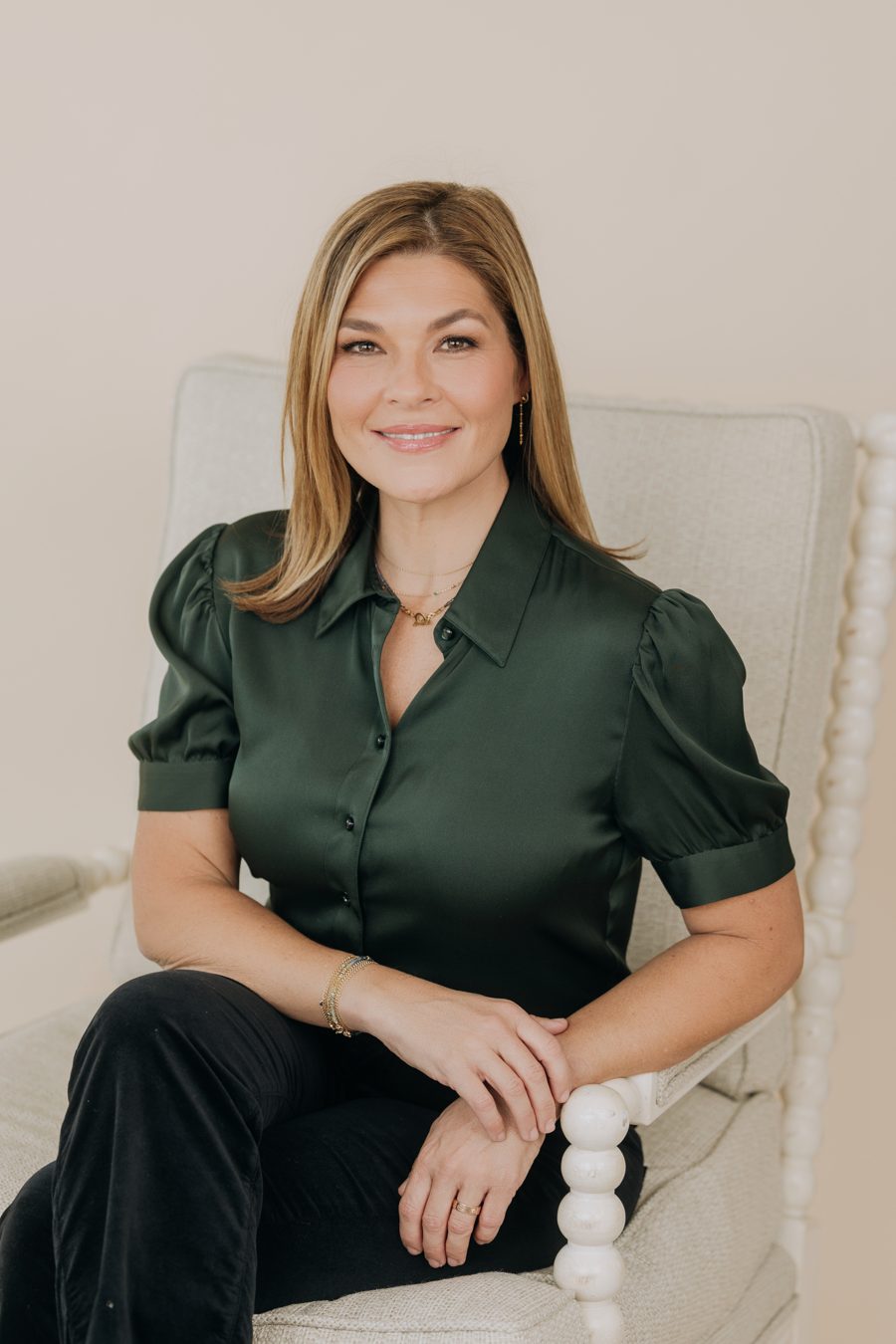
Bark's edge is trust and a public face. Its CMO, Titania Jordan - who also carries the title Chief Parent Officer - has become one of the most visible voices in digital parenting, with appearances on the TODAY Show, CBS, and Good Morning America and two bestselling books, the second, Parental Control, out in 2025. In a business where the product is peace of mind, a credible human beats an ad.
06 / The Honest LimitsWhere the pitch gets complicated
Bark works best for the age band it was designed for: tweens and younger teens whose parents want a safety net rather than a leash. It is not a fit for every family. Older teens can read monitoring as a breach of trust, and no AI catches everything - context is hard, and a determined kid can still find gaps. The Bark Phone and Watch lock a family into Bark's ecosystem and its wireless plan, which some parents will find limiting next to just installing an app. And monitoring a child's messages, even with restraint, sits inside a real debate about privacy that Bark's design tries to answer but cannot fully end.
What a reader can take from Bark is portable well beyond parenting software. Build the alert product that surfaces signal and hides the firehose. Give your most valuable thing away where it doubles as distribution. Put a credible human in front of a trust business. And expand a product by re-pointing one idea at new surfaces rather than bolting on features. Bark did all four, starting from one dad who couldn't find the tool he needed.