The Milwaukee Bucks needed a jersey sponsor. Bader Rutter’s answer involved a size 16 sneaker. For a campaign aimed at 24 chief marketing officers, the agency commissioned shoes customized to each prospect’s brand, then packed them with branded jerseys and video screens in wooden presentation boxes. An expensive business decision arrived in the form of something you could hold.
The intriguing detail is the number 24. This was advertising with a guest list. The agency had identified the people whose attention mattered, and gave each a miniature version of the opportunity. A team associated with one American city needed buyers to see a global audience.
- Industry practitioners help shape the work, from farms to veterinary practices.
- Campaigns turn buyer insight into experiences, content and sales tools.
- The useful lesson: understand the decision before choosing the medium.
A size 16 introduction
The packages helped open sponsorship conversations. Motorola took the jersey patch; four other sponsorships followed. The Drum’s awards account reports those additional agreements brought nearly $1 million in annual revenue. That figure describes sponsorship income, rather than the campaign’s return on investment. The distinction matters when a lovely object becomes a marketing legend.
There is a practical insight inside the woodwork. A chief marketing officer had to imagine their company on the court. Personalization made that proposition visible. The shoe earned an opening; the case for the Bucks still had to earn the deal. Copying the packaging without the commercial argument would miss the interesting part.
The person behind the purchase
Ron Bader and Jim Rutter founded the agency in 1973 to tell agricultural stories differently. Agriculture remains its center of gravity, with food and animal care nearby. Those markets share a useful complication: customers often know a great deal about what they buy. A rancher or veterinarian can spot an outsider’s misunderstanding quickly.
Bader Rutter puts farmers, ranchers, chefs and veterinarians into its teams alongside advertising specialists. That arrangement brings knowledge of a customer’s working day into decisions about language, channels and creative ideas. It also explains the agency’s place in the market: an integrated agency for technically complicated businesses, with enough sector experience to ask less obvious questions.
Practitioner knowledge is an advantage that requires some qualification. Agricultural specialist AdFarm also employs farmers and gathers producer insight. Buyers comparing agencies should look at who will actually work on their account, how those people influence the brief and whether the proposed team can execute across the channels they need.
For Zoetis’ cattle business, the question concerned a relationship. The company wanted to move beyond product attributes. Bader Rutter’s “Born of the Bond” campaign centered on the reciprocal commitment between producers and their animals. The agency shot roughly 90% of its footage and imagery under pandemic precautions, then equipped the salesforce with a campaign toolkit.
“we’re a business-to-people shop.”
David Jordan, on becoming CEO in 2024
The toolkit included presentation templates, email signatures and virtual backgrounds. Such ordinary materials help explain the model. A campaign travels through the organization as well as through paid media. Salespeople need to recognize its idea and carry it into their own conversations; otherwise the customer may encounter several disconnected versions of the brand.
The product still mattered. The creative shift acknowledged what product specifications leave out: the buyer’s responsibility. That is a useful distinction for anyone selling expertise. Your customer may need technical reassurance and a reason to feel understood in the same conversation.
Let the kitchen write the brief
Consider a different buyer: the restaurant operator. McCain wanted attention for Mini Mashers, its potato bites. Bader Rutter organized an EPIC Throwdown with four chefs in four cities, making themed recipes and sharing videos over four weeks. The campaign culminated in live competitions at the National Restaurant Association Show, with culinary host Billy Harris.
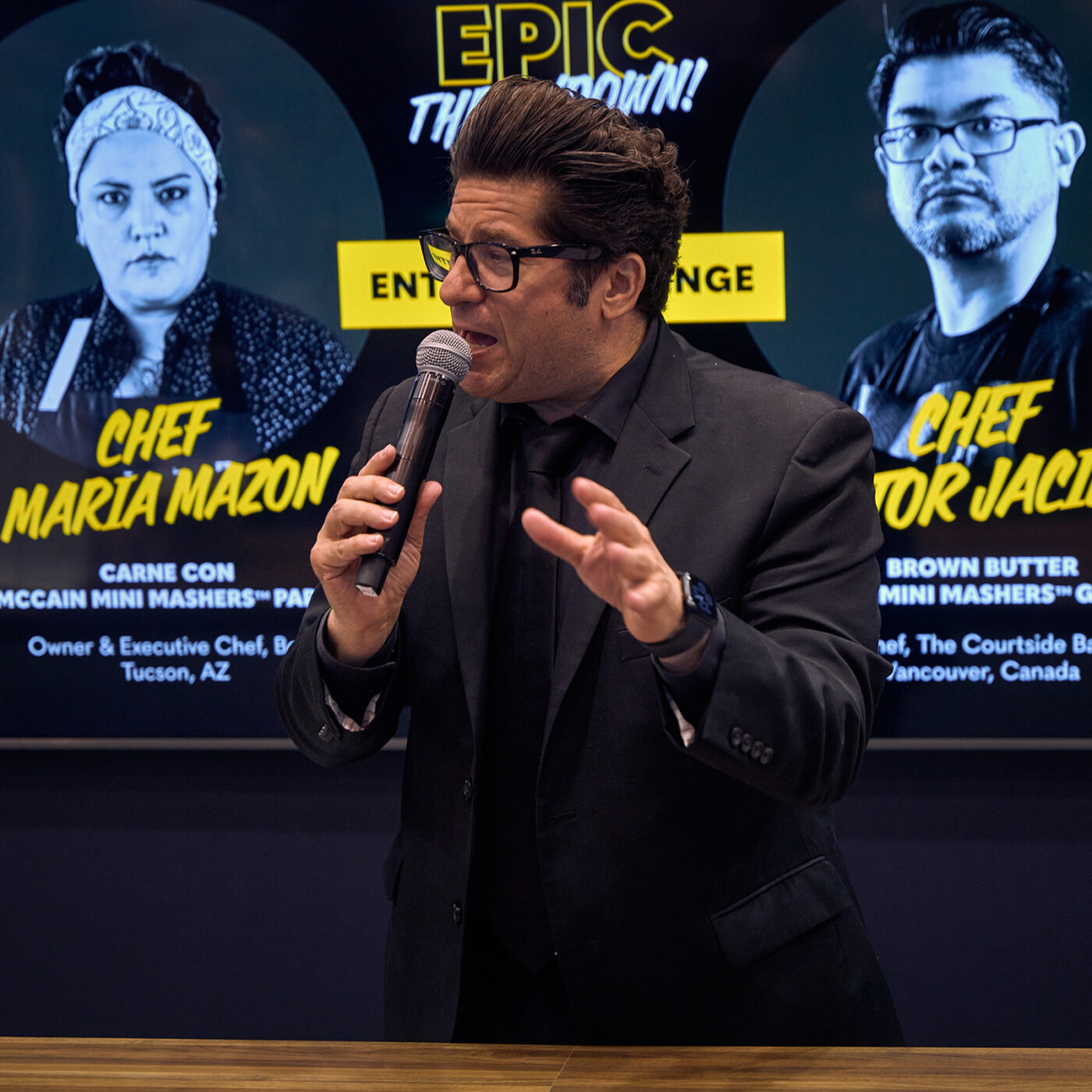
The agency reports almost 700 leads across four show days. Its case study also says McCain asked for twice the floor space for its next appearance before the event ended. That request is a revealing piece of customer feedback. The activation gave salespeople recipes, demonstrations and material they could reuse after the crowd dispersed.
A lead, of course, is an invitation to continue. A manufacturer evaluating this approach should plan who will qualify contacts, answer operational questions and track subsequent orders. The event can supply the encounter and the recipe can supply a reason to talk. Someone still has to turn that conversation into a specific purchasing decision.
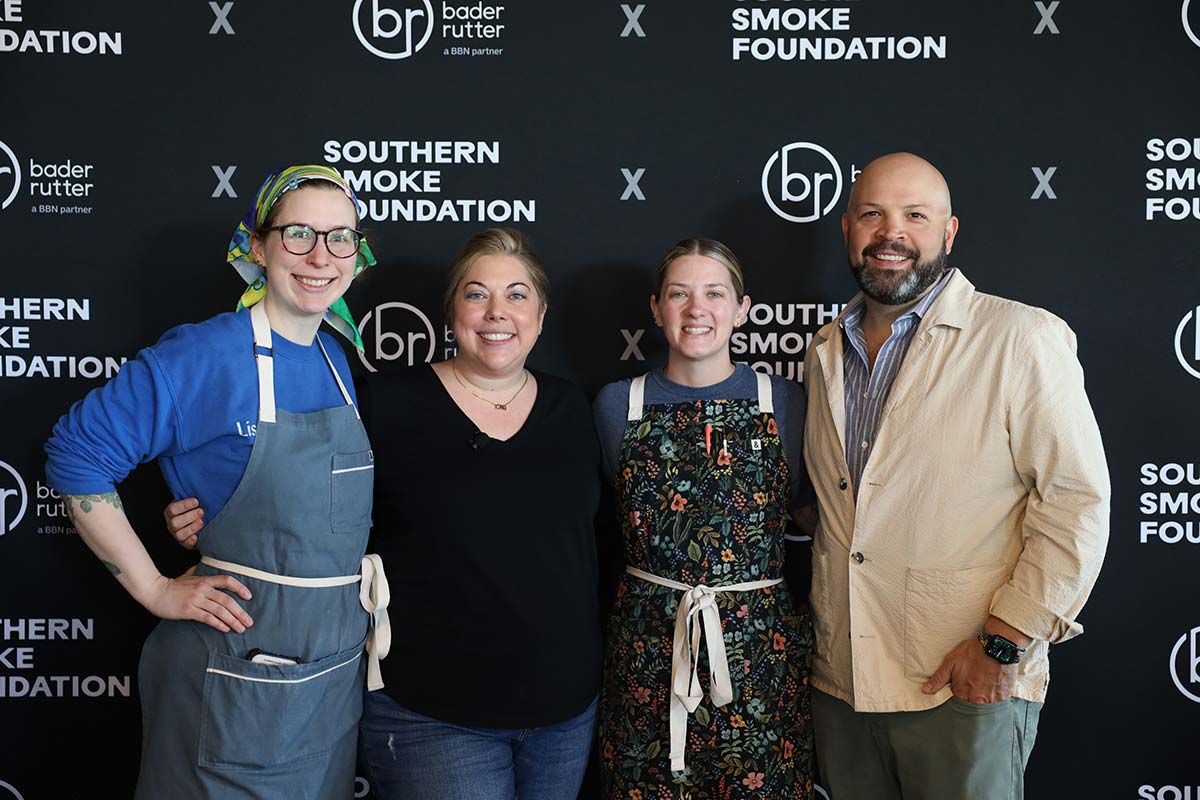
In 2025, the agency extended its foodservice approach through a Chef Advisory Network with Southern Smoke Foundation. Manufacturers can engage working chefs for feedback, surveys, recipe development and appearances. Fees also support foodservice workers in crisis. It is a paid service built around a straightforward proposition: talk to the people who might actually use the thing.
One brief, several kinds of proof
The business behind these examples is a client-service agency. Brands commission work and appoint Bader Rutter to ongoing agency relationships. Its offering includes strategy, creative, media planning and buying, digital experiences, public relations, social media, production and events. Customers include Corteva, John Deere, Nestlé Purina and Ingredion. Wedgewood appointed it agency of record in December 2025.
Employee ownership is part of the organization’s identity. International collaboration comes through BBN, a collective of independent agencies. Its pitch combines specialist knowledge with services working from one brief. The agency now describes the intended outcome as Mental Equity: building memory and meaning that influence a later choice.
An editorial reading of the approach, not a measured conversion funnel.
Different assignments demand different evidence. A sponsorship agreement, a trade-show lead and a completed video view answer different questions. The reported case-study results are useful, but they do not isolate advertising’s contribution from sales effort, product appeal or market conditions. A sensible buyer would ask how success will be defined before commissioning the work.
Borrow the question before the stunt
Here is the part a smaller team can use. Bring someone with firsthand customer knowledge into the brief. Identify the particular decision you need to change. Make the proposition concrete. Give the sales team something useful to carry into the next conversation.
The economics depend on the assignment. Bespoke packages make sense when a small number of valuable accounts can justify the effort. Chef events require follow-up that can turn interest into business. Emotional storytelling needs a credible product underneath it. Bader Rutter’s examples invite a better opening question for the next campaign: whose working world have we understood well enough to earn a hearing?
Visit Bader Rutter ↗ · Explore the work ↗ · Agency insights ↗