There is a peculiar moment in the life of a startup when the software works and the company does not. The application loads. The demonstration looks respectable. Yet nobody has settled who will buy it, how it should be licensed, or whether the infrastructure will survive success. AWS Startup Loft Accelerator was built for founders living somewhere in that gap. Its proposition was pleasantly unfashionable: help with the work, without taking a piece of the company.
- A ten-week virtual program, originally for early-stage startups in Europe, the Middle East and Africa.
- Technical and business guidance, with a founder-selected agenda.
- No equity taken; original eligible participants could access up to $25,000 in AWS credits.
A loft without the moving van
AWS announced the program in November 2021, opening applications initially to startups in the European Union, United Kingdom and Israel. The first group of 25 was planned for early 2022, with expansion across EMEA to follow. Despite its name, this Loft did not require a founder to pack a suitcase. Virtual delivery removed relocation from the equation; the weekly commitment was flexible.
The launch brought AWS solutions architects together with business advisers. Its named contributors included Entrée Capital, Algolia CEO Bernadette Nixon, Talkdesk co-founder Cristina Fonseca and Retrain.ai co-founder Shay David. Those people were advisers to the initiative. The accelerator itself was an AWS program, drawing on a cloud provider's expertise and relationships.
The expensive space between code and customers
One participant makes the underlying problem easier to see. Novu.ai, a German startup originating in university research, worked on AI-assisted X-ray analysis. In AWS's anniversary account, co-founder Sherief Emam described help with customer needs and licensing choices. The obstacle was commercialization: finding a route from technical capability to something a customer could buy.
“It was great to get instant access to the right people within AWS.”Dr. Sherief Emam, Novu.ai co-founder and CEO, November 2022
The first-year design offered business and technology tracks, a pool of 60 mentors, individual advice and group sessions. By November 2022, AWS reported more than 275 participating startups and over 2,400 applications. These are participation figures, rather than proof that mentoring caused revenue growth. They do show demand for help at the awkward junction of product and business.
The practical attraction is the connection between the two tracks. An architecture choice affects operating costs; operating costs affect pricing; pricing affects which customers are worth pursuing. A founder can treat these as separate departments, but a young company rarely has the staff for that luxury. Putting the conversations beside each other is a sensible economy.
No equity does not mean no economics
The original package made participants eligible for AWS Activate, including up to $25,000 in service credits and a year of Business Support valued up to $5,000. The wording matters. Credits offset eligible AWS usage. They cannot pay a designer, cover rent or become salary. Eligibility also matters: a headline amount is a ceiling, not a cheque handed to everyone.
The 2023 cybersecurity collaboration explicitly described its ten-week offer as free. Founders still spend time attending sessions and acting on advice. Virtual participation reduces travel demands, but it does not give anyone more hours in the week. A useful session should earn its place against the product work it interrupts.
AWS's commercial interest is straightforward as an interpretation of the offer: a startup that builds successfully on its infrastructure may become a larger cloud customer. The company supplies expertise and promotional benefits; builders gain support while becoming familiar with its services. Ownership stays with the startup, but the platform choice has consequences worth calculating.
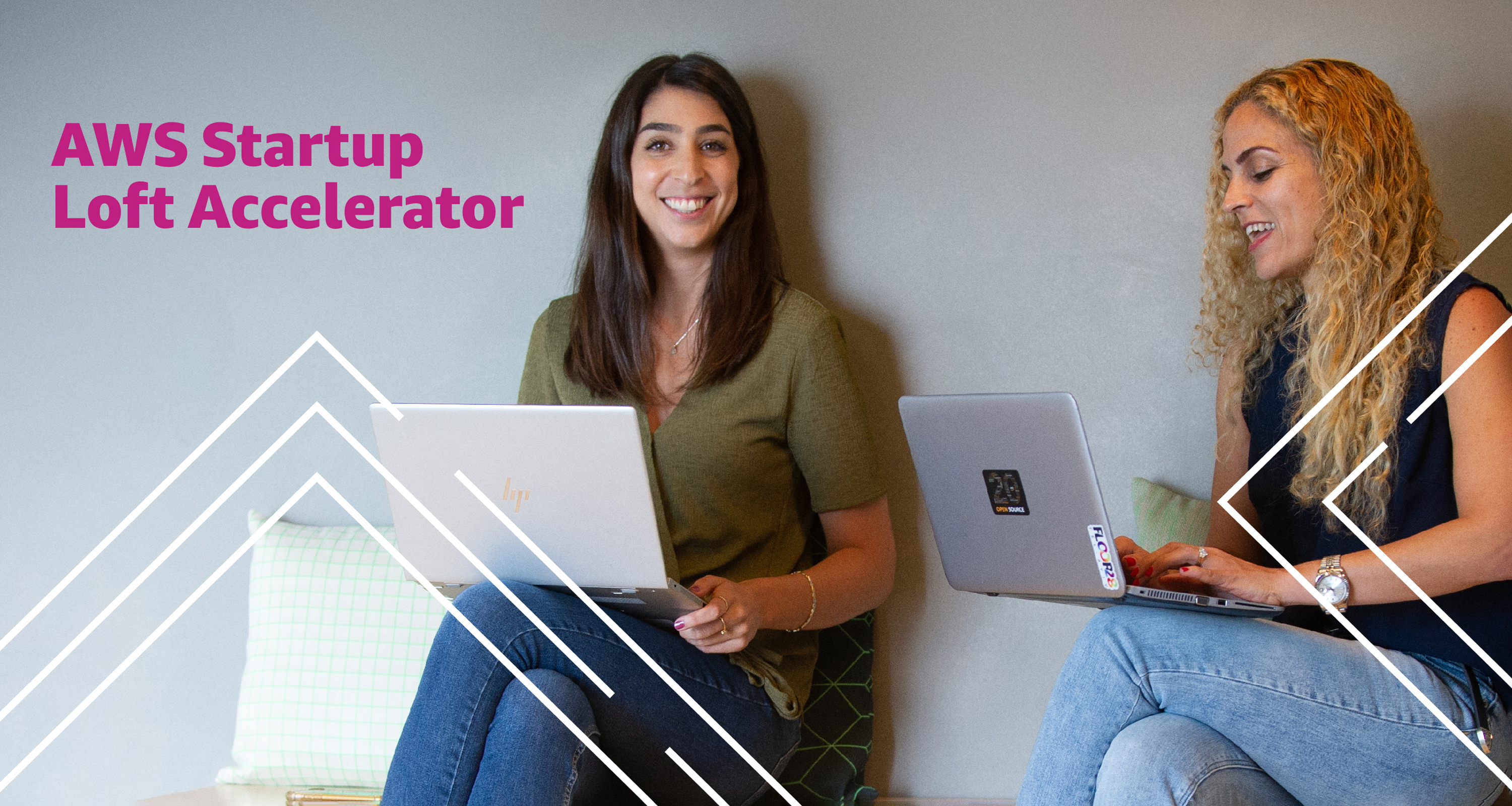
An editorial illustration of the decisions mentoring can connect, rather than a prescribed program sequence.
When the generalist acquired a specialty
In September 2023, CrowdStrike announced a cybersecurity cohort as part of the Startup Loft Accelerator. The offer paired AWS technical resources with security-sector expertise, executive office hours and access to investors. Participants could present at a San Francisco Demo Day during RSA Conference in May 2024. Potential Falcon Fund investment was an opportunity, rather than an entitlement.
The later collaboration changed the shape of the offer. In February 2025, AWS and CrowdStrike selected 36 startups for a free eight-week program with NVIDIA Inception. In May, Terra Security won its competition for agentic AI-powered web application penetration testing. That was a distinct cybersecurity program with its own timetable, rather than evidence that every original Loft participant received those benefits.
This distinction helps locate the Loft in the market. Techstars accelerators, for example, combine mentoring with an investment structured through equity agreements. The original AWS offer suited a different immediate need: improving a cloud-based product and the business around it while retaining ownership. A founder seeking cash should compare the financing terms, not merely the accelerator labels.
Bring a problem small enough to solve
The lesson a reader can copy is to write an agenda around decisions. Choose the architecture question delaying a release, the customer assumption weakening a pitch, or the pricing choice nobody wants to confront. Then identify the person qualified to help. Personalized support becomes more useful when the request is concrete enough for someone to answer.
Before treating credits as savings, estimate the ordinary bill after they run out. Before requesting an investor introduction, make the customer problem intelligible. These are practical implications of the model, not admission rules. A self-directed program rewards founders who can name their bottleneck; a library of sessions cannot choose priorities on their behalf.
For a company seeking guaranteed investment, unwilling to build on AWS, or unable to commit attention to mentoring, the fit is weaker. Advice cannot establish demand by itself. The useful outcome is more modest and more actionable: leave with a better decision, test it with customers, and discover whether the company works as convincingly as the code.