In the town of Pacific, Wisconsin, a proposed battery has an unusual ingredient: carbon dioxide. Electricity would compress the gas into liquid. Later, the liquid would become gas again, driving a turbine. The machinery would sit at the Columbia Energy Center site, where a coal plant already supplies electricity. One address, two very different ideas about what a power station should do.
- Alliant supplies electricity and natural gas in Iowa and Wisconsin.
- Its Columbia storage project aims to deliver about ten hours of electricity per charge.
- The test is whether new infrastructure earns its place on the customer’s bill.
Alliant Energy calls this part of its Energy Blueprint. The useful word is “storage.” A solar panel makes electricity when sunshine permits. A factory needs it when production demands. Between those two schedules sits an expensive coordination problem. Alliant’s proposed CO₂ battery is an attempt to make the schedules agree.
The battery with a gas problem
The Columbia project uses technology from Italy’s Energy Dome. Its closed loop moves CO₂ between gaseous and liquid states, storing energy for later release. The gas is a working fluid, rather than fuel to burn. Wisconsin Public Service, Madison Gas and Electric and the Electric Power Research Institute are development partners.
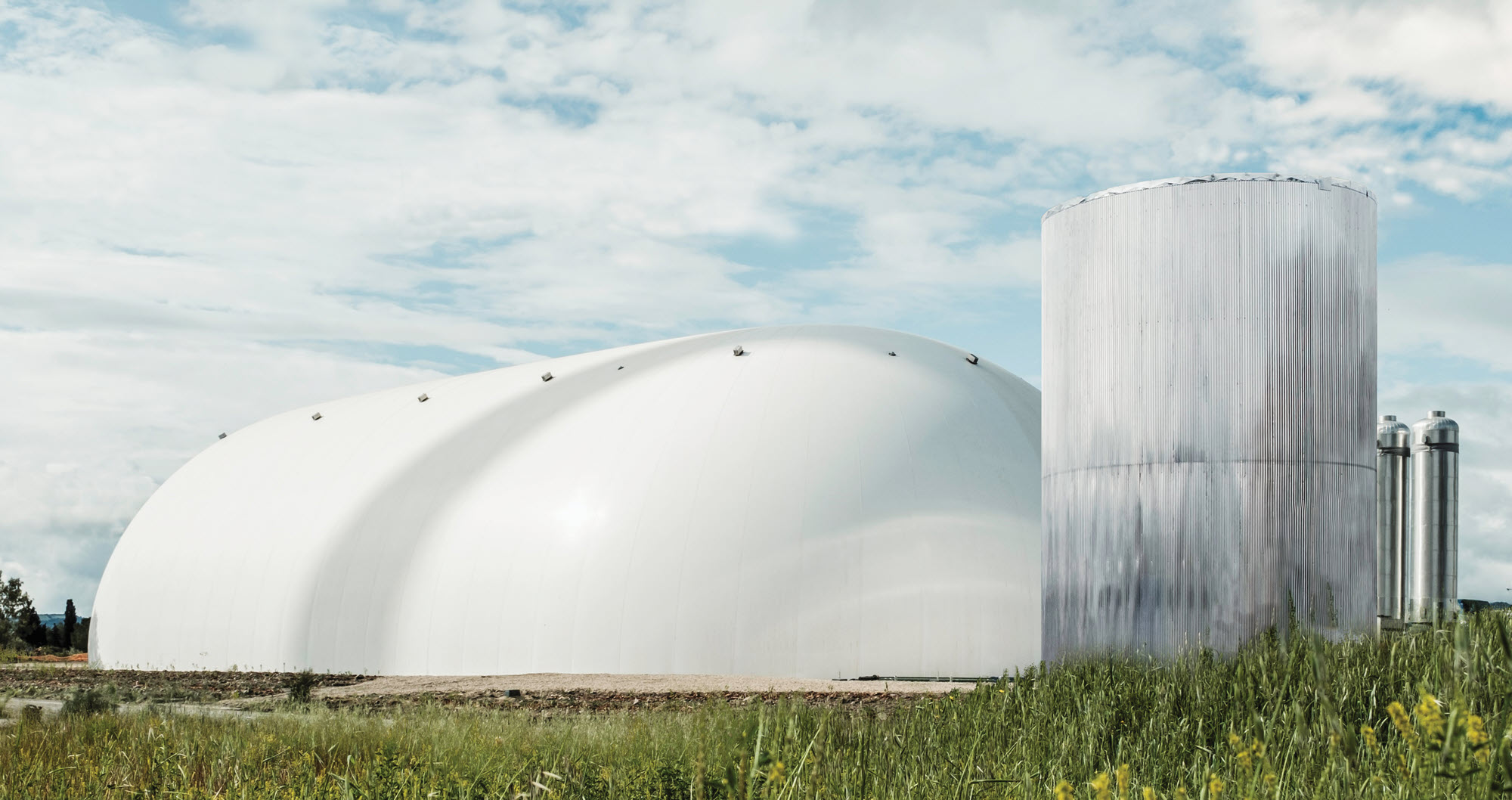
The design calls for roughly 200 megawatt-hours of storage. Alliant describes enough electricity for approximately 18,000 Wisconsin homes for ten hours. Those are proposed capabilities, not operating results. Its public schedule anticipates construction in 2026 and completion by the end of 2027. For now, the dome is a promise with engineering attached.
Conceptual sequence. Storage shifts energy; it does not create a fuel supply.
The technology does not make Alliant a battery vendor. A homeowner cannot order a Columbia unit from its website. The proposed benefit reaches customers through the shared electric system, subject to construction, performance and regulatory decisions. For an energy buyer, that distinction separates a company’s experimental equipment from the services available today.
A business built on permission
To understand the company building it, forget the familiar startup origin story. Alliant emerged from a three-way utility merger in 1998; the current name followed in 1999. Its operating companies are Interstate Power and Light in Iowa and Wisconsin Power and Light in Wisconsin. Lisa Barton became the holding company’s president and chief executive in January 2024.
The customers are households, shops, farms and industrial plants within those territories. Alliant generates and distributes electricity and distributes natural gas. It also sells power wholesale. Its expertise lies in coordinating generation, local networks, maintenance and regulatory proceedings. Customers encounter that elaborate system in the pleasantly uneventful act of switching on a light.
The business model rewards approved infrastructure investment through regulated rates and authorized returns. Commissions oversee the bargain. Regional utilities such as WEC Energy Group and Xcel Energy offer useful comparisons, but most customers cannot simply swap providers as they would a streaming subscription. Geography does much of the choosing.
Alliant also has a local institution’s obligations. It reports 66,059 volunteer hours from employees and retirees in 2025 and describes belonging as a workplace priority. Those are company statements, but the volunteer total offers a concrete measure of participation. Its community foundation adds another relationship with towns where a utility’s presence lasts for decades.
The invoice arrives
Alliant reported about $4.4 billion in 2025 operating revenue and $2.483 billion in construction and acquisition spending. The latter is companywide, not Columbia’s price. Federal support for Columbia totals up to $30.7 million under a phased cost-sharing award. A grant ceiling is neither the whole construction budget nor cash guaranteed regardless of progress.
Approximate Wisconsin solar construction costs above previously approved estimates.
The Wisconsin solar program supplies a less comfortable number. Construction of approximately 1,100 megawatts exceeded approved estimates by about $205 million. The 2025 annual filing says regulators authorized recovery of those costs and a return through customer rates. That matters: an infrastructure success for the owner can still arrive as an additional household expense.
Alliant’s Wisconsin rate explanation puts the average residential electric adjustment at about $4 more per month in 2026, followed by another $8 in 2027. Those figures cover the settlement, not solar overruns alone. An individual bill still depends on consumption. “Affordable” becomes a more useful word when somebody attaches a monthly amount.
The retirement that would not retire
At Columbia, the first plan to give way was the coal retirement timetable. A shutdown originally expected by 2024 moved to 2026, then to 2029. By its 2025 annual filing, Alliant described continued coal operations at least through 2029 while evaluating conversion to natural gas. The storage project and the coal plant should not be mistaken for a completed handoff.
The co-owners cited reliability, customer growth and changing regional grid requirements. Those are their stated reasons. The lesson is that closing an existing generator and opening its replacement are interdependent decisions. Announcing the first date does not deliver the second machine. An existing site’s grid connections, meanwhile, remain useful even when its technology changes.
The next customer is a very large computer
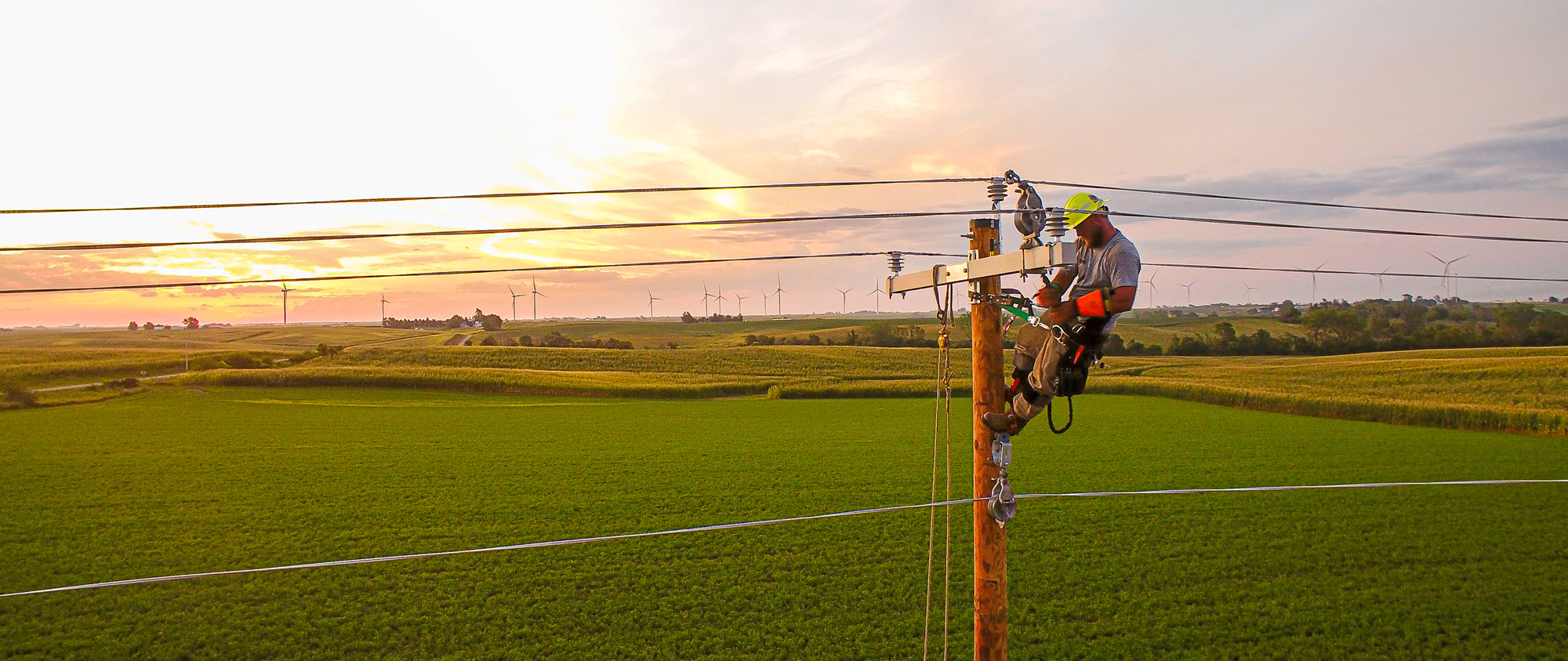
Now add data centers. In July 2026, Alliant forecast 60% load growth by 2031. That is an expectation, not electricity already sold. Its service-area developments include QTS and Google in Cedar Rapids and Meta in Beaver Dam. Serving those projects makes generation planning a moving target.
“Maintaining customer protections and reliability”Lisa Barton · July 2026 earnings release
Who carries the risk if the forecast changes? Alliant says large users should cover the costs they create. Wisconsin’s Citizens Utility Board has pressed for stronger safeguards and consistent rules rather than individual deals. The disagreement makes the central issue clear: growth only helps existing customers if the financial obligations follow the customers causing it.
Start with the hour
There is a smaller, immediately usable version of this story. Business customers can open Energy Analytics through My Account to examine usage trends and efficiency recommendations. Before buying equipment, understand when the building consumes energy. Other operators can copy Columbia’s basic question: what useful infrastructure already exists, and what problem remains unsolved?
For customers seeking help now, My Account offers bill management, usage information and outage reporting. Business recommendations are a starting point for investigation, with savings dependent on each facility and its operating pattern.
Storage makes sense only when charging energy is available and shifting its delivery is worth the cost. Ten hours cannot cover every extended shortage. Alliant’s distinctive experiment is putting that proposition beside an old power station, inside an established utility business. The eventual verdict will arrive in operating performance, regulatory decisions and bills. The dome will be the easy part to photograph.