A woman handed Alfatih Timur a box of bottled water at a student demonstration. She asked him to share it with the others. They were fighting for people like her, she said. Timur would later remember the exchange as a moment when the activity around him acquired a purpose. He had been attending discussions and demonstrations; here was someone outside the university telling him what she believed those students were doing.
It is an unusually modest scene for the beginning of a founder’s story. No business plan changes hands. There is no revelation about a market waiting to be conquered. There is water, a request, and the uncomfortable possibility that somebody has placed more faith in you than you have yet earned. For a young activist, that is quite an assignment.
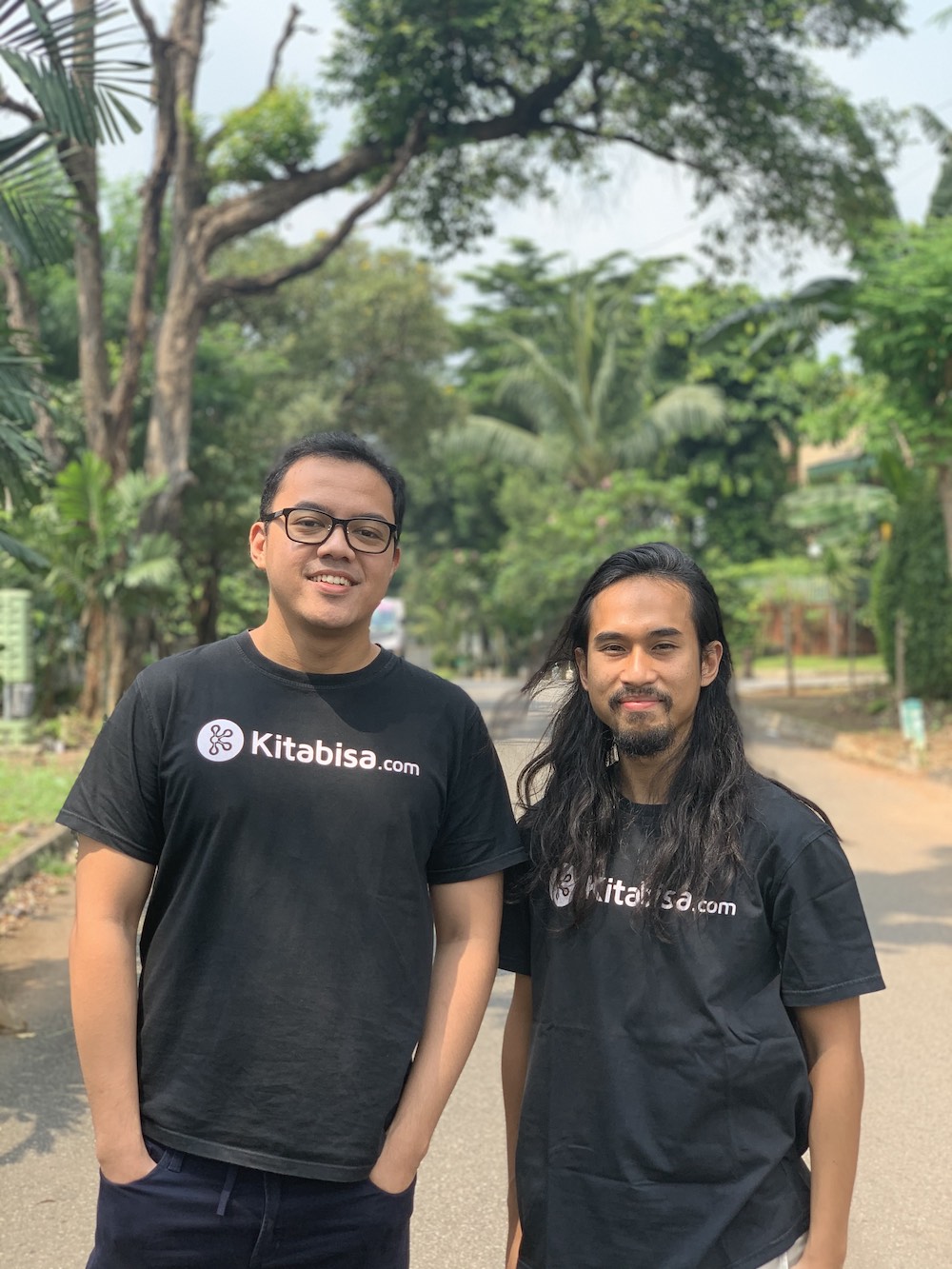
Timur, usually called Timmy, went on to co-found Kitabisa, the Indonesian crowdfunding platform. The exchange helps explain the problem that held his attention: how could people who wanted to help become useful to people who needed support? A sympathetic audience was one thing. A dependable way of collecting money, accounting for it, and getting it somewhere useful was another.
His eventual answer would involve websites, payments, verification and an organisation capable of keeping them working. Yet the impulse remained recognisable from that student encounter. Someone offers what they have. Someone else takes responsibility for passing it on. Between those two actions sits the difficult part of the story.
From Bukittinggi to the organisation meeting
Born in Bukittinggi, West Sumatra, on 27 December 1991, Timur grew up with a nickname considerably shorter than his full name, Muhammad Alfatih Timur. He attended SMAN 1 Padang before studying at the University of Indonesia. An accelerated school programme put him among older classmates; looking back, he described his teenage self with the English word “nerd.” It is a pleasantly unceremonious entry on a future executive’s résumé.
At university, he became involved in student organisations, including the student executive boards at faculty and university level. The economics faculty recognised his community service when he graduated. That detail gives his later choice of work some continuity. Public service was already something he did alongside his studies, before there was a startup to put it on a slide.
His education also supplied a consequential connection. Rhenald Kasali, the management professor and founder of Rumah Perubahan, became his mentor. Timur worked as Kasali’s assistant and at Rumah Perubahan, where social entrepreneurship was a practical subject rather than an attractive phrase. He encountered organisations whose ambitions were larger than their fundraising capacity.
There was a second influence, reaching further back: Mohammad Hatta, Indonesia’s first vice president and another figure from Bukittinggi. Timur was drawn to Hatta’s ideas about collective effort. The Minang practice of badoncek, pooling contributions, belonged to the same world of mutual assistance. He had a local vocabulary for the thing that the technology industry called crowdfunding.
This matters because Kitabisa’s premise did not require Indonesians to discover generosity. It required a way of arranging generosity across distance. Timur’s route through student committees and Rumah Perubahan placed him close to both halves of that problem: groups trying to do something worthwhile, and the recurring effort of finding enough people to pay for it.
A school before a scale-up
Kitabisa emerged as a social initiative in 2013. Timur and co-founder Vikra Ijas worked with communities and college organisations on tangible goals, including a library. One early campaign sought Rp160 million to save a school for street children in Depok from eviction. It reached its target. Before crowdfunding became an expansive proposition, it had a very specific test: could this school stay?
In Timur’s own account, the platform started as a fundraising project for a school. The name fitted the undertaking. “Kita” means “us”; “bisa” means “can.” The optimism is grammatical before it is commercial. It asks a group to imagine itself as capable. There is something appealingly economical about a company name that also works as encouragement.
The early years were difficult. Explaining an unfamiliar fundraising model took effort, and attracting investors to a social enterprise was its own task. Timur put money left over from his wedding into improving the website. That is a more intimate form of startup finance than the standard funding announcement: a household surplus pressed into service while the organisation was still finding its footing.
The platform changed shape as the work became more formal. A foundation followed in 2014; an operating company in 2015. A mobile app arrived in 2017. Those dates describe a gradual construction, with an initial experiment acquiring the institutions and tools needed to keep going. The pleasant verb in the name still needed rather a lot of nouns behind it.
The quiet machinery of belief
Timur’s early questions were prosaic and essential. He had seen fundraising conducted through personal bank accounts. How could it be made accountable? What report would appear when the project was finished? Money could move before the internet arrived; a donor’s ability to follow it was a different matter. Kitabisa’s opportunity lay partly in making that trail visible.
In a 2016 interview, he described the ambition in a short sentence: “Our aim for Kitabisa is actually to take gotong royong online.” Gotong royong is mutual cooperation, the practice of sharing a burden. Moving it onto a screen meant preserving the willingness to contribute while changing how strangers could judge the request in front of them.
By 2020, the organisation’s approach included identity verification, supporting documentation, checks by the team and public reporting of suspicious campaigns. Campaign pages carried updates about the use of funds. These were arrangements for a particular stage of the platform’s development, but they reveal the character of the problem Timur was addressing. A moving story could attract attention; the organisation had to do the less photogenic work afterwards.
There is a built-in tension here. Giving should feel easy to the person making the payment. Responsible fundraising can require effort from the people receiving, checking and distributing it. The founder’s challenge was to hold both expectations together. Convenience without scrutiny would leave a donor guessing. Scrutiny without convenience could send that donor elsewhere before a contribution was made.
Timur also had to account for the cost of the service itself. In the platform’s early operating model, most campaigns carried a five-percent administration charge, with exceptions for zakat and disaster fundraising. Keeping a social enterprise alive required people, technology and operating money. Good intentions, for all their virtues, are poor at settling an invoice.
“Our aim for Kitabisa is actually to take gotong royong online.”
Alfatih Timur · 2016
- 01Verify identity
- 02Check the request
- 03Publish updates
- 04Hear public feedback
Small contributions, larger responsibilities
The early donation pattern was telling. In 2016, Timur described contributions commonly falling between Rp50,000 and Rp100,000. A platform assembled from such payments depends on many decisions by many people. Its reach grows when the person who can offer a modest amount can participate without having to organise an entire fundraiser.
His advice to donors was equally grounded in human behaviour: look at whether a campaign already had support from the organiser’s inner circle. People close to a project might be its first contributors. The suggestion reflected an understanding that online trust often begins with relationships that exist elsewhere. The internet can extend those relationships; it still benefits from somewhere to start.
Recognition followed. Forbes included Timur in its 2016 Asia 30 Under 30 social entrepreneurs list, identifying him as Kitabisa’s co-founder. The award brought a different audience to work that had begun among student groups and social organisations. The attention belonged to an individual; the activity being recognised depended on donors, campaign organisers and the people running the platform.
The scale became substantial. In 2024, Kitabisa hosted three million unique donors each year and collected about US$80 million in annual donations. Those are annual figures, rather than a lifetime tally. They describe the operation Timur helped build, with his colleagues and its community, rather than a personal achievement measured in dollars.
Size changes the meaning of responsibility. An early campaign can be discussed by a small group who know the organisers. A platform serving millions needs practices that survive beyond a founder’s own acquaintance. Timur’s original concern about accountability becomes more demanding as the audience expands. The very success of connecting people creates more work to keep those connections credible.
Kitabisa’s organisational scale, at the time of Timur’s 2024 Eisenhower fellowship.
A president who still has homework
In November 2023, Timur moved from CEO to president and co-founder. Vikra Ijas became CEO. It is a useful distinction in a story often told through the founding chief executive: the organisation continued, and the jobs within it changed. A title records one form of responsibility at a particular time, rather than freezing a person at the moment they started a company.
His 2024 Eisenhower fellowship gave him another setting in which to learn. He explored the business models of charitable and petition-driven organisations, considering ways to extend his understanding of crowdsourcing. An April visit to the World Bank headquarters in Washington was part of that period abroad. The founder whose early problem was local was examining how other institutions organised collective action.
In January 2025, speaking at a University of Indonesia alumni webinar, he returned to the question of staying useful. “Relevansi adalah kunci,” he said: relevance is the key. He spoke about adapting to changing social needs and keeping public trust. The ambition sounded practical: give the organisation a longer life, keep learning, and make sure its work still fits the people it serves.
There is also a less official Timmy. In 2016, he described playing the saluang, the Minang flute, at the office when the routine became tiresome. He claimed enough ability for a few Minang songs. He also laughed about remembering only “Sutan” from his customary name. These are small, specific details, and welcome ones: a founder is allowed to have an imperfect repertoire.
The flute offers a fitting last image because it belongs to the same place as some of his earliest ideas about cooperation. Timur carried those ideas into a different setting, learning to build with people who knew things he did not. Kitabisa’s proposition remains easy to say: we can. His working life has been spent filling in who “we” includes, what “can” requires, and how to show that the money arrived.
Follow the conversation
Timur’s profiles, the platform, and a few longer conversations.