Sonu Ratra had done something ordinary. She had taken eighteen months away from work to care for her baby daughter. When she tried to return, her qualifications had acquired an unexpected companion: a gap. In her account, the degrees and corporate experience seemed to count for less than the empty stretch on her résumé. Months of trying left her discouraged. The peculiar thing about this problem is that the experience was still there. Employers just had trouble seeing it.
- Akraya supplies talent and delivers technology projects for enterprise customers.
- Women Back to Work helps experienced professionals restart through returnships and hiring support.
- The July 2026 iRelaunch acquisition expands its reach into the career reentry market.
That mismatch became part of Akraya’s business. Founded in 2001 by Amar Panchal and Ratra, the company began with one client. Today its work runs from recruiting to managed research and engineering. The customer problem is recognizable: important work is waiting, and the people or specialist capacity to do it are missing. Akraya makes its living finding those people and, increasingly, organizing the work around them.
An internship with a past
Women Back to Work, formally launched in 2015, gives the résumé problem a practical answer. It sources experienced returners, checks technical skills and helps employers establish routes back into employment. The options include returnships, contract placements and direct hiring. A returnship resembles an internship, except the participant may already have years of professional experience. The learning concerns what has changed during the absence, alongside the routines of joining a new workplace.

The interesting work happens before the placement. WBW says its recruiters identify technical gaps and recommend courses or certifications before presenting candidates. Its sourcing channels include community groups, coding boot camps, targeted advertising and referrals. This is a different search pattern from waiting for familiar résumés to arrive through familiar channels. It takes effort to find people who have stopped expecting to be found.
Its Infoblox partnership shows what support can mean in practice. The program describes targeted learning, workshops, a dedicated buddy and access to an employee network. Roles span software engineering, DevOps, product management and UX design. For employers, WBW also recommends contract-to-hire arrangements so both sides can assess fit. A returner still has to do the job. The structure creates a fairer opportunity to demonstrate that ability.
A bigger door, in July
On July 14, 2026, Akraya announced that it had acquired iRelaunch. The combination joins a business built around returner communities, employer advice and events with Akraya’s recruiting and onboarding capabilities. It is an expansion of an existing commitment: Tami Forman, co-founder of Path Forward, had joined Women Back to Work the previous year.
Career returners in iRelaunch’s reported community.
A community count, not a placement count.
The strategic logic is easy to follow. Knowing that experienced returners exist is one problem. Designing a program, screening applicants and bringing them into an organization is another. Combining those activities could shorten the distance between interest and an actual hire. That is the proposition behind the deal; the community’s size alone cannot establish how many people will get jobs.
“In the age of AI, judgment is the differentiator”Amar Panchal · July 2026 acquisition announcement
From filling seats to finishing work
Akraya’s larger business sits where staffing meets technology services. Its published customer testimonials include Google, PayPal, eBay and Wells Fargo. Those are useful clues to the buying environment: organizations with procurement processes, multiple teams and specialist needs. Cisco’s 2019 social responsibility report also identifies Akraya as its Supplier Day Diversity Award winner, describing the minority woman-owned supplier’s career reentry work.
Its present service menu has four main branches. UX research helps teams examine how people use products. Data and AI work addresses pipelines and fragmented information. Product engineering covers software delivery and modernization. Data center services provide engineering and program support for infrastructure deployment. These are services businesses buying expertise and execution, with staffing remaining part of the offer.
The useful distinction is responsibility. An extra researcher can increase capacity while leaving the client to manage the study. A managed research engagement includes the machinery around that person: recruiting participants, organizing delivery and producing findings. Akraya offers rapid studies and embedded researchers. For a buyer, the question becomes whether the missing ingredient is another pair of hands, specialist knowledge or someone accountable for the finished work.
The price of a useful answer
The commercial model follows the engagement. Akraya describes research work priced around a sprint or an embedded researcher’s program. Its stated cost drivers include researcher numbers, seniority, delivery model and the difficulty of recruiting participants. A narrow study with accessible users and a program involving scarce specialists are different purchases. A buyer can make the scoping conversation more useful by naming the pending decision and its deadline.
Speed also has conditions. Akraya’s rapid research guide favors focused questions about something concrete: a prototype, workflow or concept. It treats foundational discovery, pricing studies and long-term behavior as weaker fits for a rapid approach. A quick answer helps only when the method can support the decision. Outsourcing the study does not remove that obligation from the buyer.
What another employer can borrow
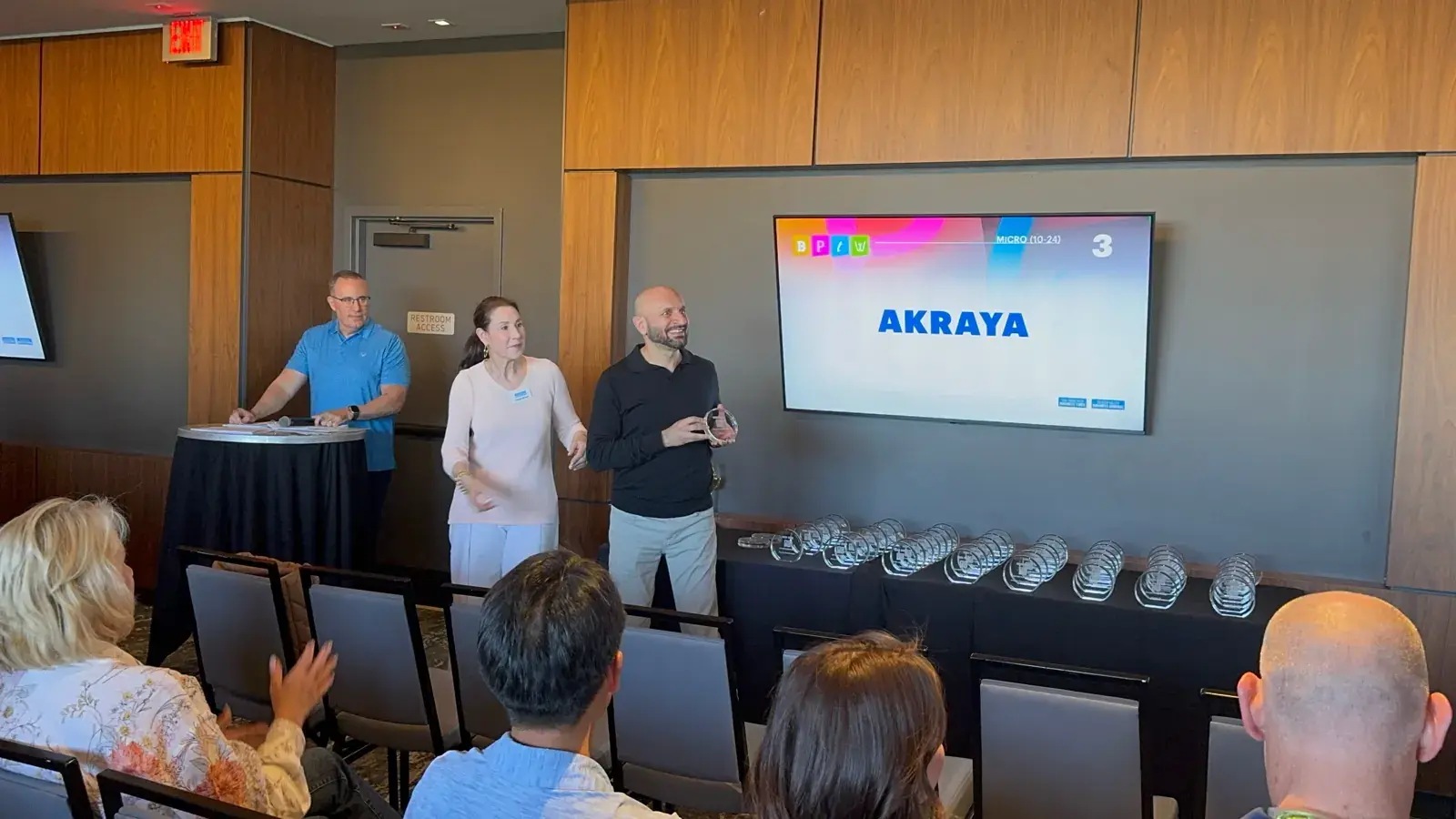
Akraya’s culture page emphasizes autonomy, transparency and learning from mistakes. Inc. lists it among its Best Workplaces in 2024, 2025 and 2026. The lesson another employer can use, though, requires no award: review the hiring rule that treats time away as evidence against ability. Ask what a candidate can do now, then build a credible way to evaluate it.
That approach still requires suitable work, manager attention and onboarding. A returnship cannot make those responsibilities disappear. What Ratra’s experience exposes is a more specific mistake: allowing an employment timeline to do the thinking that an assessment should do. Before declaring the talent pool empty, an employer could take another look at who has been standing outside it.