At HubSpot, the trouble with growing quickly showed up in the finance department. More entities. More cost centers. More employees. More assumptions to revise. Reports needed every day could take days to produce. The people responsible for understanding the business were occupied with assembling it, one spreadsheet at a time. In Workday’s published customer account, HubSpot’s eventual improvement was a forecast cycle completed in 15-20% less time. A modest percentage, perhaps, until you consider what those hours had been swallowing.
- Shared budgets and forecasts connect financial, workforce, and operational decisions.
- OfficeConnect keeps reports linked to Excel, Word, and PowerPoint.
- AI can investigate variances and compare scenarios; the underlying data still needs care.
The bottleneck was the handoff
Adaptive from Workday sells cloud software for that coordination problem. Finance builds budgets and rolling forecasts. HR models headcount and compensation. Operational teams contribute the assumptions that make a business run: demand, sales capacity, utilization. These plans can be linked so that changing a driver changes the financial picture. A hiring decision becomes an expense assumption; a sales assumption becomes a revenue forecast. People can discuss the consequences within a shared model.
Imagine, for example, a sales leader proposing ten additional hires. The useful question is how their start dates, salaries, and ramp-up periods affect the next few quarters. Adaptive provides the modeling and reporting machinery for that conversation. This is an illustrative use case, but the relationships are the point: an organization needs a way to make its assumptions visible to the people who must live with them.
A CFO builds the tool he wanted
The original irritation belonged to Rob Hull, a finance executive who co-founded the business with Richard Dellinger in 2003. He described an awkward choice: Excel was approachable but difficult to coordinate at scale; enterprise applications were powerful but cumbersome and consultant-dependent. Cloud delivery and subscription payments suggested a different route. The business began as Adaptive Planning, adopted Adaptive Insights in 2014, and eventually became a target for the larger company whose name it now carries.
In 2015, Adaptive raised $75 million from JMI Equity and existing investors to support product development and global expansion. By 2018, it was preparing to go public. Then Workday called during the roadshow. The announced acquisition price was approximately $1.55 billion, including assumed unvested employee equity. The deal closed that August.
Hull later told BetaKit that strategic alignment, cultural fit, and transaction terms shaped the choice. Workday offered access to an enterprise customer base, international reach, and a deeper partner network. The destination survived; the financing route changed. His stated ambition included creating a workplace people wanted to stay in. Today, Adaptive sits within Workday, with a dedicated business unit bringing product, engineering, sales, marketing, and customer success together.
Excel gets to stay
There is a pleasing bit of pragmatism in the product. A business built to reduce spreadsheet coordination still makes room for Excel. OfficeConnect connects Adaptive data to Microsoft Excel, Word, and PowerPoint, letting teams refresh financial reports and board materials. The familiar presentation can remain while the numbers come from a maintained planning model. Anyone who has updated the same figure across a workbook and a slide deck can appreciate the appeal.
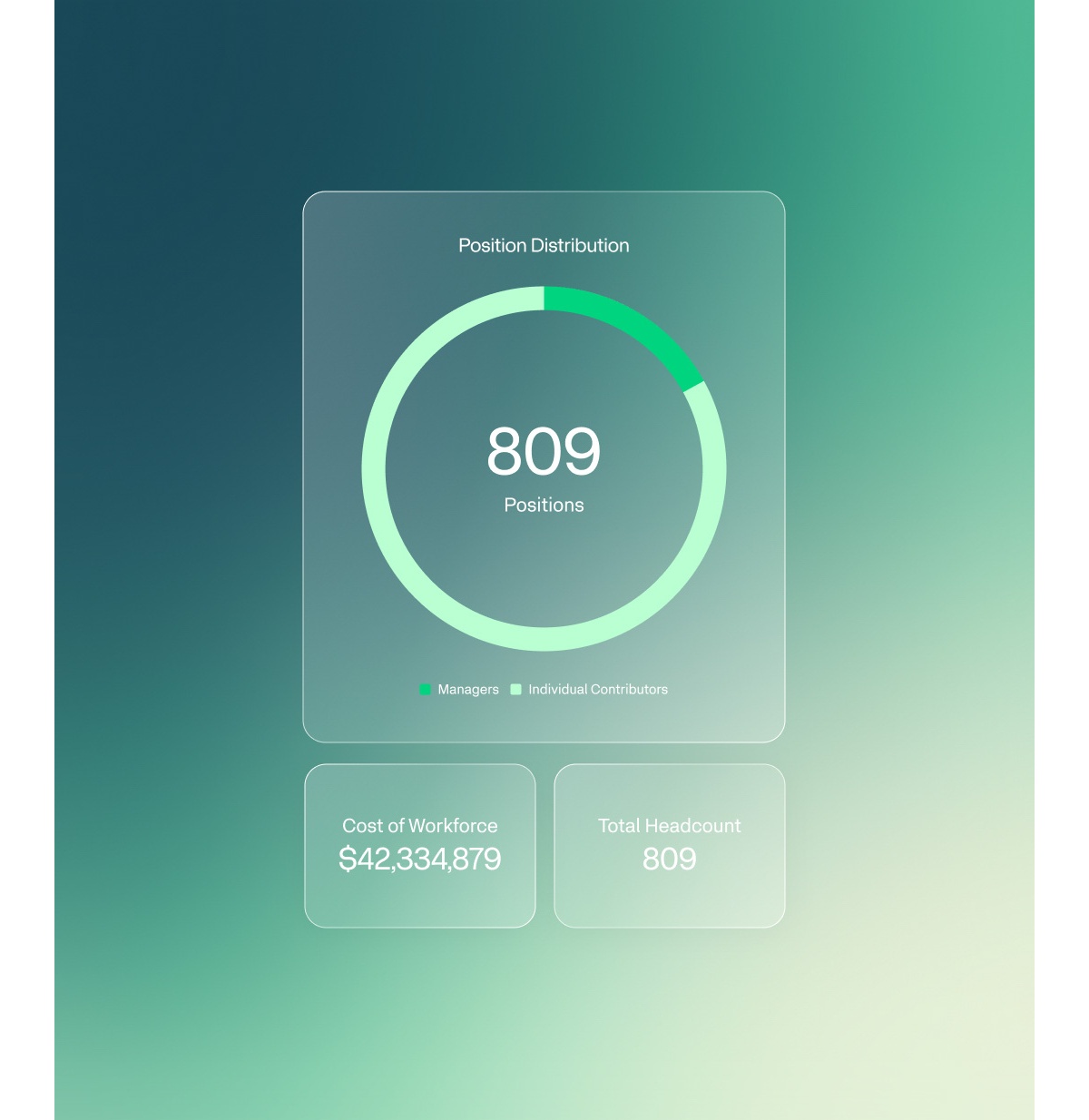
Underneath is Elastic Hypercube Technology, Workday’s name for its multidimensional, in-memory modeling engine. It tracks relationships between assumptions and allocates computing resources as demand changes. Workday introduced a new generation in 2023. The practical ambition is straightforward: keep the model responsive as dimensions, scenarios, and contributors multiply.
Adaptive competes in enterprise performance management alongside Anaplan, Oracle Cloud EPM, IBM Planning Analytics, and other planning tools. Its Workday connection and Office reporting bridge give buyers concrete reasons to consider it. Buyers can also use it with other ERP or general-ledger systems. The expertise is in financial modeling, operational drivers, and collaborative planning; being part of Workday adds an established finance and HR ecosystem.
Four hours, with people still involved
TX Group, the Swiss media business, offers a sharper illustration of the intended workflow. In Workday’s customer account, predictive models generate its monthly rolling forecasts. The team loads new actuals, runs predictions, distributes the results, and collects comments. Planners make targeted adjustments to the baseline. The reported cycle fell from three days to about four hours. That result belongs to this customer and this process; it is a useful example to investigate in a demonstration.
A changed workflow: predictive baseline + targeted planner adjustments. Customer-reported result.
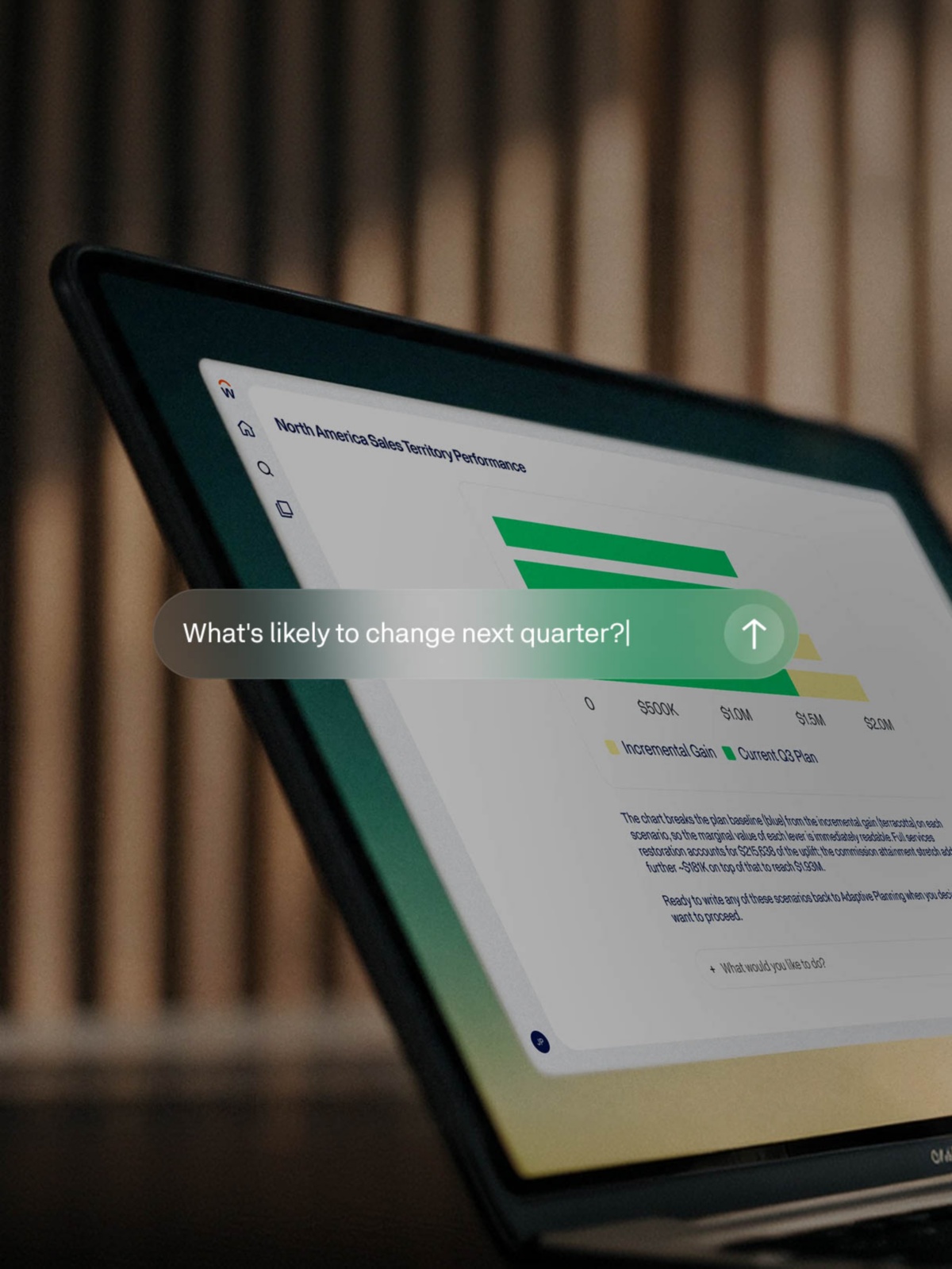
The next step arrived in 2026. Workday introduced Adaptive Decision Intelligence in May, initially for early adopters. It lets teams ask questions in ordinary language, explore the drivers behind a variance, compare scenarios, and submit changes to the governed plan. By October, Workday confirmed continued availability for Adaptive customers as Decision Intelligence expanded across finance and HR. The product’s current name, Adaptive from Workday, accompanies that broader decision-making pitch.
The price includes changing habits
Workday sells Adaptive through quoted software agreements. Its pricing page advertises a 30-day trial and lists optional consolidation capabilities. A buyer should examine implementation, integrations, training, and ongoing model ownership alongside the subscription. Treat those as work to scope before signing. A cheerful demonstration does not establish how much effort your organization will need.
“We cut complexity while bringing in 9x the data at a more granular level”Jennifer Pennwell, AAA Club Alliance
Quoted by Workday
That observation suggests something readers can copy before buying anything: simplify definitions, identify the operational drivers, and assign ownership of the assumptions. For an evaluation, bring a real forecast, introduce one changed assumption, and follow it through the reports and approvals. With inconsistent inputs or nobody responsible for maintaining the model, faster calculations can simply circulate confusion faster.
For a small team with uncomplicated plans, the coordination benefits may not justify the implementation work. For teams repeatedly reconciling competing forecasts, Adaptive addresses a recognizable expense. The scarce resource is the time between learning that something changed and deciding what to do about it.