The joke is sitting in the company name. ACME, the supplier of improbable contraptions to an endlessly frustrated cartoon coyote, is an unusual reference for people entrusted with other people’s money. Then you look at ACME Capital’s portfolio: quantum computing, satellites, autonomous systems, hospital safety technology. Suddenly, the joke becomes a useful question. What separates an ingenious invention from something that actually works for a customer?
- The bet: early-stage technology companies with substantial markets to reach.
- The work: capital, board support, and connections to customers and corporate partners.
- The catch: a working prototype and a repeatable business arrive on different schedules.
ACME occupies that awkward distance. Its current highlighted portfolio groups companies under physical AI, enterprise intelligence, frontier health, next-generation computing, aerospace and defense, and industrial systems. These labels describe technologies with consequences outside a browser window. A procurement officer, a clinician, or a factory operator still has to decide to use them.
01 / The invention needs a buyer
Consider Canopy. In January 2026, ACME and 111° West Capital co-led its $22 million Series B. Canopy makes connected safety technology for healthcare workers, including wearable duress buttons and location awareness. At the announcement, the company reported protecting more than 300,000 workers across 60 major American health systems. The immediate use is admirably legible: help staff summon assistance.
That narrow, urgent problem also creates a route into a larger market. Canopy described expanding the same infrastructure into asset tracking and operational tools. For a founder, the lesson is practical: establish something people need now, then earn permission to do more. Those deployment figures belong to Canopy; they are evidence of a portfolio company’s adoption, rather than a measure of ACME’s returns.
Muon Space tackles another version of the adoption problem. It integrates the design, manufacture, and operation of satellite constellations. Its customers want a functioning mission, with spacecraft and software working together. In August 2026, Muon announced a $250 million Series C, with ACME among the participating existing investors. The financing supports production and expanded mission capabilities.
02 / Two kinds of customer, one long wait
ACME has two constituencies. Founders receive investment and help building their businesses. Limited partners supply the capital. In a 2022 Hello Tomorrow interview, co-founder Hany Nada described those investors as foundations, pension plans, family offices, and funds of funds. The firm pools their commitments into investment vehicles and buys stakes in companies whose eventual exits can generate proceeds.
That makes the financial vocabulary consequential. ACME announced more than $300 million for Fund IV and its adjacent Opportunity Fund in February 2022. Its October 2025 announcement described approximately $1.5 billion in total committed capital since inception. Neither figure measures annual revenue. Capital promised to investment vehicles is different from money earned by the management company.
The conventional venture business earns management fees and a share of investment profits. Its economics depend on ownership, outcomes, and time. Nada’s September 2026 essay, The Myth of the VC Power Law, puts fund size into that equation. At 8% ownership, a hypothetical $1 billion exit produces $80 million: substantial beside a $50 million fund, much smaller beside a billion-dollar one.
03 / The people behind the improbable
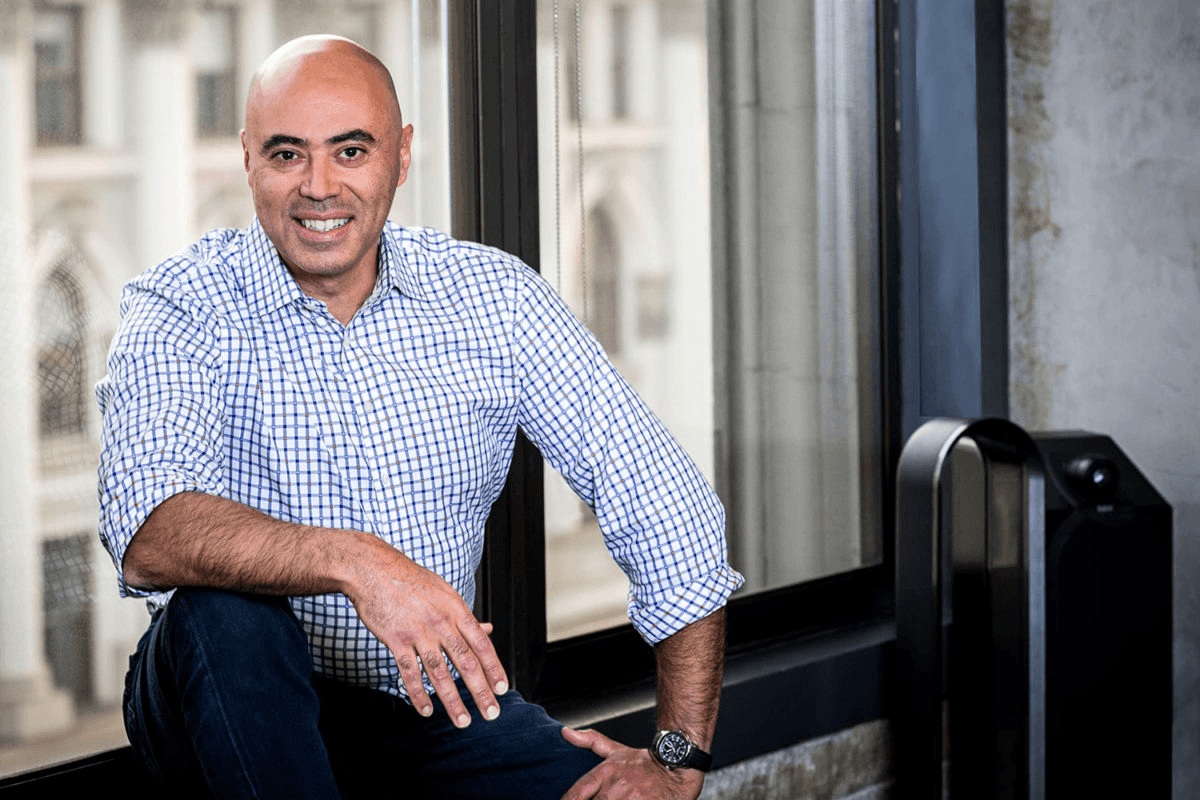
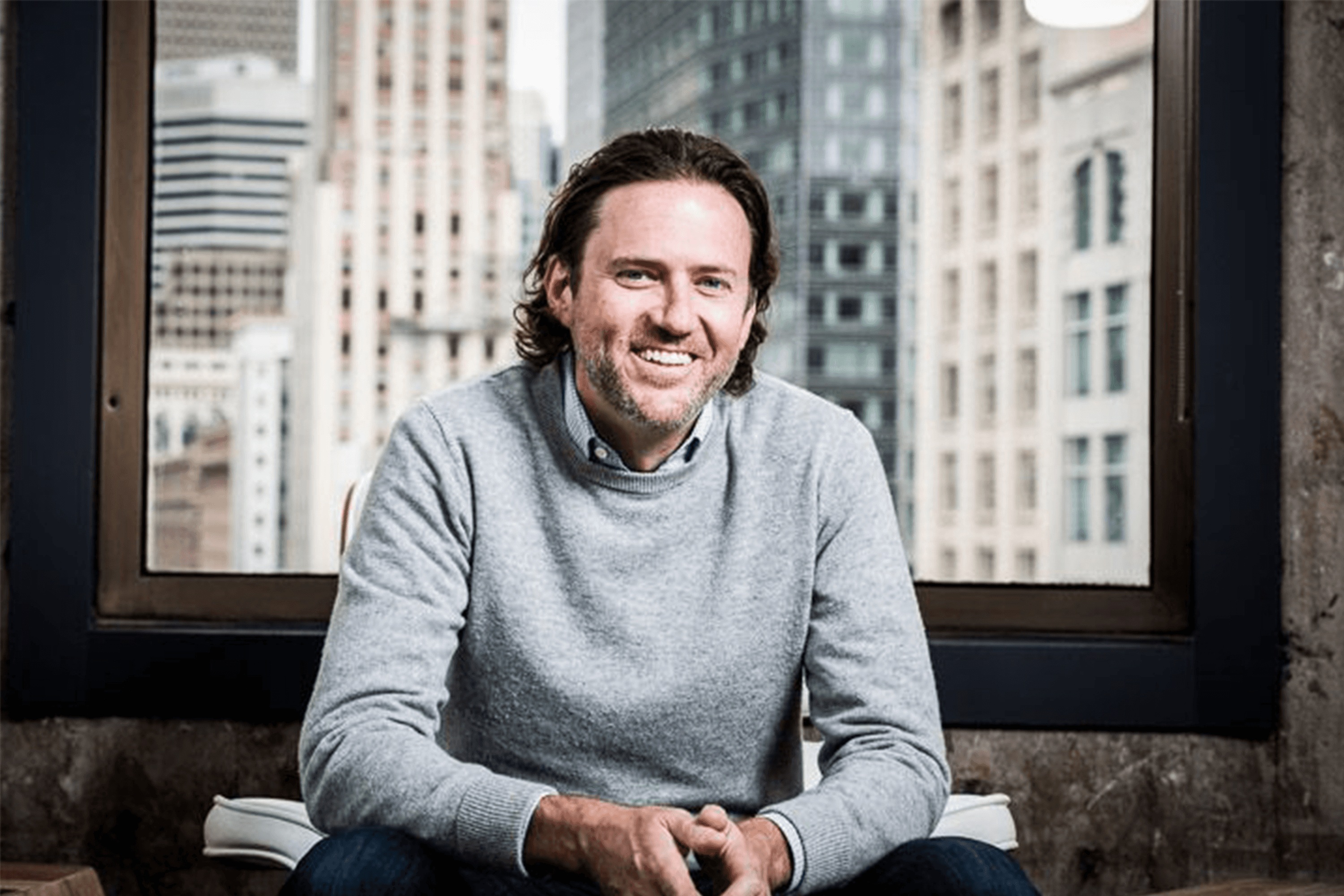
Nada and Scott Stanford co-founded ACME in 2018; its $181 million Fund III began investing in 2019. Nada had co-founded GGV. Stanford brought Goldman Sachs and Sherpa Capital experience. ACME’s full portfolio explicitly separates its investments from predecessor Sherpa funds, which it advises. That distinction matters when familiar company names tempt readers to collapse several investing histories into one.
The culture ACME describes emphasizes candor, curiosity, and speed. Its commercial proposition includes corporate access through Silicon Foundry, an innovation advisory firm. A useful introduction can help a technically accomplished founder understand who controls a budget, what a buyer requires, and where a partnership might begin. Those are concrete services to ask about when choosing an investor.
There is also a specific testimonial. On ACME’s website, Muon’s Jonathan Dyer credits the investors with regulatory assistance and introductions to national-security customers and partners. He calls their involvement help in good times and bad
. It is a portfolio founder’s endorsement, published by the investor. Its value is in the work it describes.
04 / The clocks refuse to cooperate
In his October 2026 essay SaaS to Space, Stanford identifies three timelines: product development, fundraising, and commercial traction. Software investors grew accustomed to a relatively coordinated sequence. Aerospace and defense introduce physical testing, expensive development, and procurement decisions that can be slow and political. A promising grant can create confidence before dependable orders exist.
“The difference is fund size.”Hany Nada, September 2026
The practical reading is that cash planning must allow for the clocks to disagree. Hardware can progress while purchasing stalls. Financing can become difficult before engineering is finished. A strategy premised on immediate deployment and predictable follow-on money will struggle under those conditions. Technical ambition alone cannot settle the timing problem.
05 / Borrow the questions
Nada’s earlier interview identifies a related mistake: founders selling something as finished while it still needs substantial work to deploy. Customer trials can help justify an early investment; they do not automatically establish product readiness. He also said IonQ’s 2021 public listing helped reassure limited partners about commercialization. A tangible milestone gave them something beyond a technology promise.
Stanford’s M&A advice adds another usable habit: build relationships with industry leaders while commercial traction is emerging, years before a transaction becomes urgent. For founders considering ACME, those questions make a better conversation than a tour of portfolio logos. Who buys? What is deployable? How long can the money last? Who will make the introduction? The cartoon ends at the cliff. A company needs a plan for Monday.