In April 2025, Yuval Tal stood at Nasdaq to celebrate a company he had helped start twenty years earlier. Payoneer was marking its anniversary. There were colleagues, friends, customers and a bell, the stock market’s preferred instrument for turning a business milestone into a group photograph. Tal described the occasion as proud and emotional. Then, in his account of the celebration, he started talking about his next company.
That company, Linguana, works with video creators. It translates and adapts their work, distributes it to other markets and shares the resulting revenue. A gardening video can find viewers who would never have understood its original narration. The creator keeps making videos; someone else attends to the international paperwork, production and publishing. There is something wonderfully unceremonious about following a Nasdaq celebration with a fresh operational headache.
For Tal, the connection is straightforward. Payoneer helped smaller businesses participate in international commerce. Linguana is trying to help creators build an audience beyond their home language. His career keeps returning to the awkward distance between having something to offer and being able to make a living from it. The internet makes that distance look very short. Tal has spent much of his working life discovering how much administration fits inside it.
The price on the screen
Tal trained as an engineer at Tel Aviv University. Before founding his payments businesses, he worked in business development at Radware. In 1999, he co-founded E4X, the company that would become Borderfree, and served as its chief executive until 2005. Its territory was cross-border commerce: the apparently modest problem of helping retailers sell to customers whose money came in a different currency.
Consider the transaction from both ends. A buyer wants an intelligible price. A retailer wants a payment it can use. A website can display a product anywhere in the world while leaving those two requirements stubbornly unresolved. Borderfree’s work addressed that gap. The customer-facing simplicity depended on machinery behind the screen. A currency symbol, it turns out, can conceal a considerable amount of engineering.
Borderfree went public in 2014. Pitney Bowes bought it in 2015 for approximately $395 million. Those are company milestones, rather than a claim that Tal was still running the business at either moment. His next substantial project was already under way. In 2005 he co-founded Payoneer, becoming its founding chief executive. Once again, he was working on what happened after the internet had made the introduction.
How do you earn beyond your home market?
- 1999BorderfreeCross-border commerce
- 2005PayoneerInternational payments
- 2023LinguanaGlobal video audiences
A freelancer still has to get paid
Payoneer began as a way for freelancers to receive money. Early arrangements used prepaid Mastercard cards, giving online businesses a means of paying people across borders. The idea was practical enough to sound almost dull: work performed in one country should produce usable income in another. Anyone who has chased an invoice will appreciate how much ambition can hide inside that sentence.
The company grew into a broader financial platform for businesses, marketplaces and professionals. Tal served as CEO for its first five years, then became president. The change matters in a founder’s biography. Founding a company, running its daily operations and remaining associated with its mission are different jobs, even when a short introduction compresses them into a single title.
A particular episode from Payoneer’s early years helps explain his regard for cash. The business completed an $8 million funding round in summer 2008, before the financial crisis intensified. Recalling the period in 2019, Tal credited luck. With money available, Payoneer could hire while the environment discouraged new competitors. He described the financing as buying a two-year advantage.
The detail is less cinematic than a founder defying the odds with nothing but conviction. It is also more useful. A bank balance changes which opportunities a business can afford to pursue. In Tal’s telling, timing and available capital belonged in the story alongside the product. The crisis did not become pleasant; the company had enough room to keep moving through it.
An investor with unfinished business
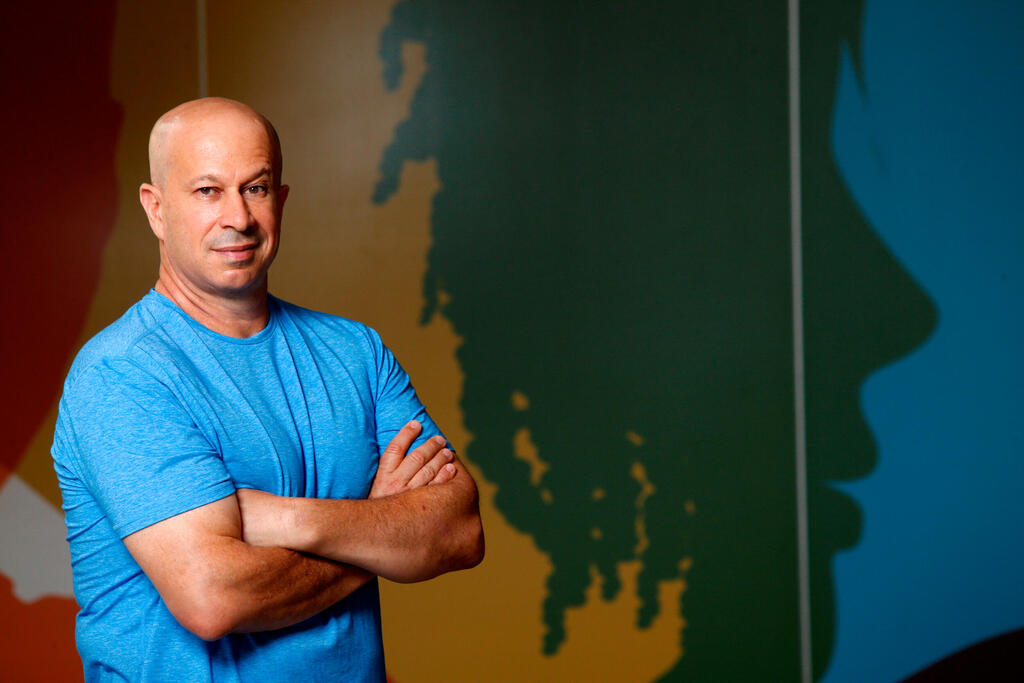
In 2020, Tal left his executive position at Payoneer and joined Team8’s fintech effort. Today, Team8 lists him as an operating partner advising fintech companies. He is also an angel investor. The role gives him a place alongside other founders, bringing the experience of building payments businesses to companies still working out what their customers will actually buy.
Payoneer became publicly traded in 2021. Tal celebrated the listing as a collective achievement. Four years later, his anniversary reflection again named colleagues and linked the business to opportunities for smaller enterprises, particularly in emerging markets. These moments give his public account a consistent emphasis: the company’s purpose is bound up with the people who use it to earn a living.
His retrospective advice has a sharper edge. Asked in 2022 what he would tell his 2005 self, he said, “I was too careful in many instances.” He admired the determination of companies such as Stripe and Block. That admission complicates the familiar portrait of the fearless entrepreneur. Having built companies does not prevent someone from looking back and wishing he had pushed harder.
The same interview contains an early clue to Linguana. Tal singled out solo entrepreneurs and influencers as a major opportunity. He saw people building substantial businesses around their skills and audiences, while conventional financial services struggled to understand them. The creator was already visible in his thinking as a business owner, with business needs that a large following did not automatically solve.
“I was too careful in many instances.”
Yuval Tal, reflecting on his early Payoneer years, 2022
The audience on the other side of a language
Tal co-founded Linguana with Oded Shafran in 2023. Shafran brought video technology experience from IMGN Media and TVinci. By April 2025, Linguana had raised $8.5 million, with investors including Oren Zeev, Zohar Gillon, Eyal Waldman, Oren Dobronsky and Two Lanterns Venture Capital. Several former Payoneer executives were also involved in the founding effort, including Scott Galit, Galit Assaf and Jonny Steel.
The business relationship is central to the proposition. Linguana takes on the work and cost of expanding content into new markets, then shares revenue with the creator. That arrangement makes Tal’s move from financial technology to video less surprising. He is still interested in the economics of a small business gaining access to a larger market. This time, the difficult conversion involves a voice.
Language carries timing, humour and emotion as well as information. A translated gardening lesson still has to feel like the same person explaining the same garden. Linguana’s approach combines AI with human involvement and manages dedicated channels in different languages. Its commercial task extends beyond producing an intelligible audio track: someone must publish, manage and monetize the adapted work.
By April 2026, Tal was describing Linguana as a distribution and monetization partner working across more than forty languages and platforms including YouTube, MSN and Spotify. That is the company’s stated scope, rather than a guarantee of what any individual creator will earn. The ambition is to give an existing body of work more places to find an audience, without turning its owner into an international production department.
One video. More places to belong.
A process diagram, not a projection of earnings.
The idea had to earn its place
Tal’s account of how Linguana took shape is refreshingly short on thunderbolts. He and his collaborators entered the creator economy by meeting creators, attending conferences and studying their businesses. They considered financing among the possibilities. Conversations and experiments gradually pushed them toward the burden of international operations: creators wanted growth, but had little appetite for another job administering it.
There is an engineer’s satisfaction in that sequence. Start with the person using the system. Find where it fails. Try something small enough to change. Tal’s January 2026 writing describes an idea developing through contact with customers, rather than arriving complete and awaiting applause. It also explains why his old experience remained useful: the details of video were new, while the complications of crossing borders were familiar.
His February writing placed more emphasis on adaptability. He argued that teams should revisit assumptions and respond as markets shift, including changes in AI, commerce and advertising. Read alongside his earlier concern about being too cautious, this suggests a founder trying to hold two useful instincts together: understand the business closely, and leave enough room to move when the evidence changes.
Away from the spreadsheet
There is another Tal who appears in the public record: a photography enthusiast who studied at Parsons in New York, and an acroyoga practitioner who helped organize a flash mob in Tel Aviv. In a 2020 interview, he described himself as an amateur acrobat. A payments founder arranging an acroyoga flash mob is a welcome reminder that a career need not account for every hour of a person’s day.
Photography is a quieter detail, but an apt one for someone now working with people who make a living through images. It would be too tidy to claim that a photography course caused a video business. What it does establish is an interest beyond finance, long before Linguana supplied a commercial reason to discuss creators. His public biography has room for a camera as well as a cap table.
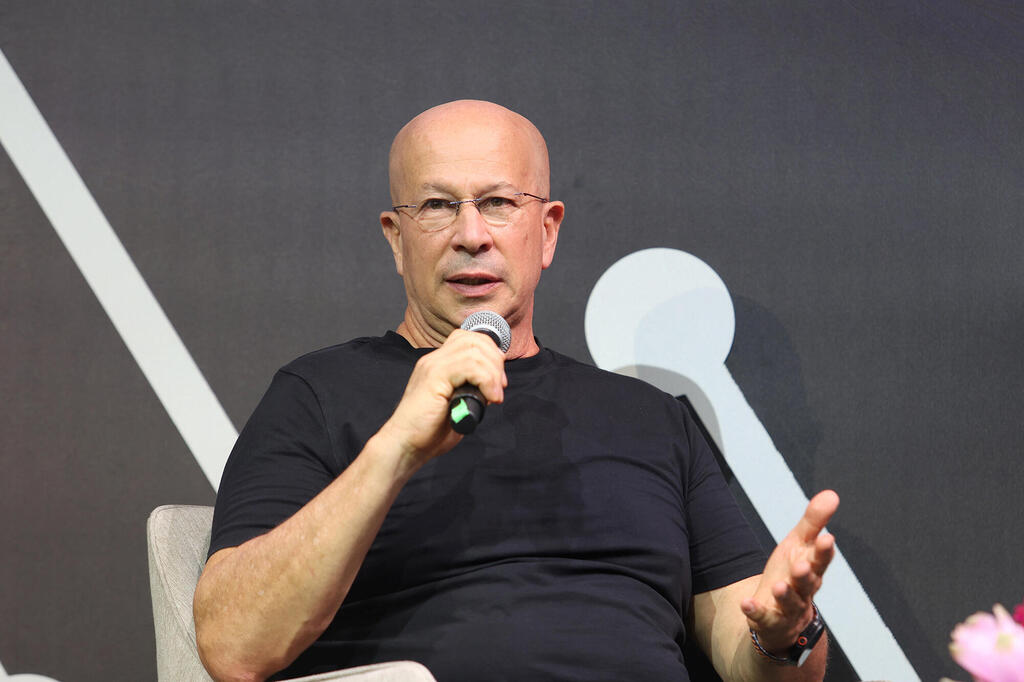
At a September 2025 AI conference, Tal expressed optimism about the opportunities available to people starting companies. His advice was to begin experimenting, including alongside an existing job. The invitation fits the practical streak in his own story: make a start, discover what is useful, and see whether the people you hope to serve agree.
In May 2026, he returned to the theme in a podcast conversation with Reichman University and Calcalist. He emphasized the opportunities for individuals and very small teams as AI tools reduced the cost of starting a business. It is a continuation of his interest in people operating outside large institutions: give them usable tools, reduce the operational burden, and make it more practical to begin.
The bell at Nasdaq marked something completed. Linguana returns him to the less photogenic part: assembling people, learning a market and making the economics work. The businesses differ, but the customer’s question has a familiar shape. Can what I make here earn a living somewhere else? Tal keeps finding work in the distance between those two places.