video-localization
(8)
Synthesia Found $4 Billion in the Gap Between PowerPoint and Pixar
The London startup began by making famous faces speak new languages. Its real business arrived when ordinary employees asked for something less glamorous: a way to turn the next PowerPoint, policy update or training manual into video without booking a studio.

Elai Turns the Training Deck Into a Talking Head
Elai gives the dreary slide deck a presenter, a voice and a passport. For learning teams buried in updates and translations, that trade can be genuinely useful - as long as nobody mistakes an avatar for an actor.
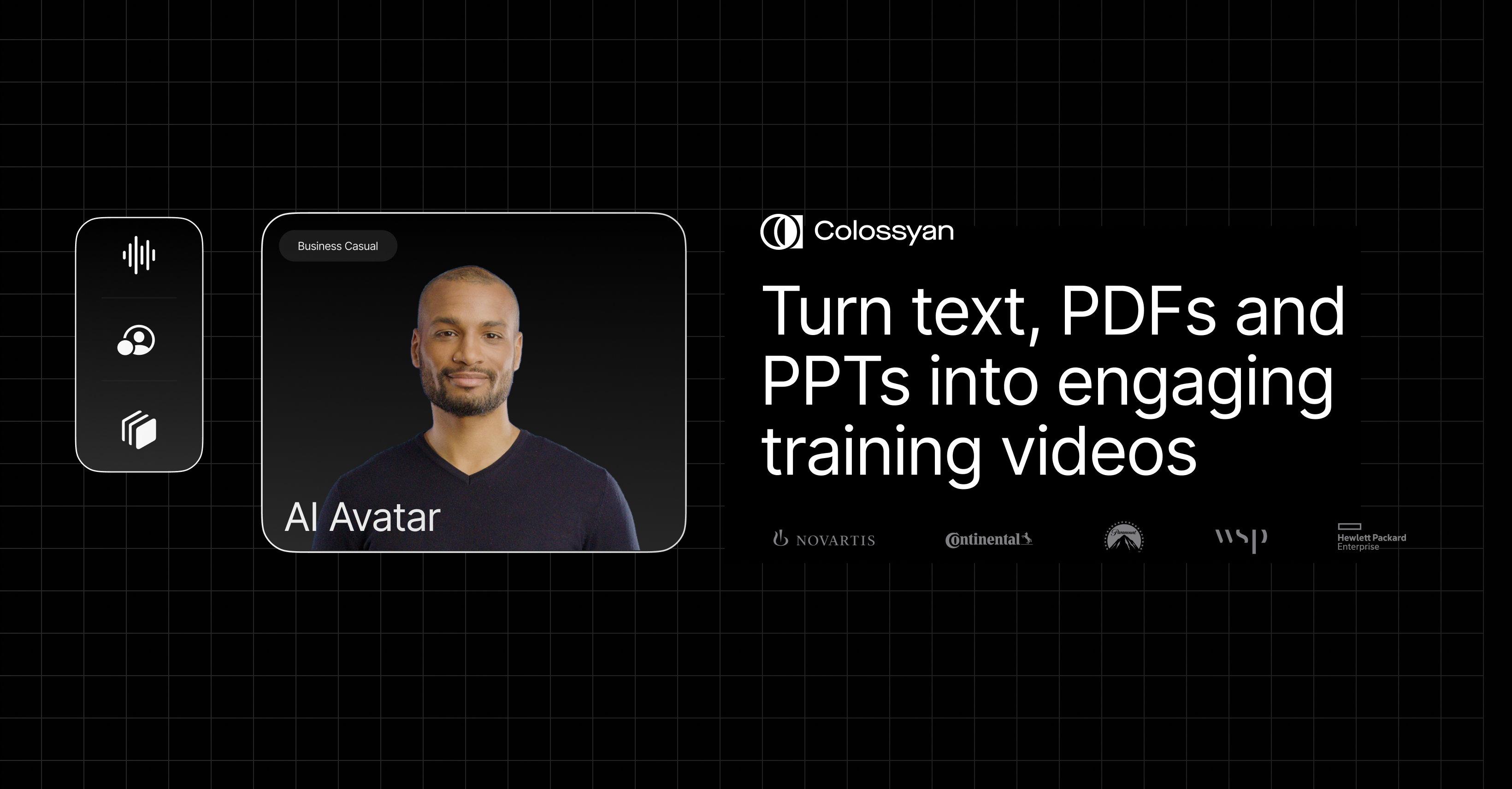
Colossyan Turns the Training Deck Into Something People Might Watch
Talking avatars draw the eye; the clever move is turning a dusty policy deck into editable, multilingual training without booking a camera, a presenter or half the calendar.

Hour One Put the Corporate Presenter on Autopilot
Hour One turns scripts, slides and prompts into presenter-led videos without a camera crew. It is built for the unglamorous, valuable work of making the fifteenth training update as practical as the first.
Fliki Turns Your Draft Into a Video Assembly Line
Fliki packages scripting, voices, visuals, captions and publishing into one brisk browser workflow. It is built for people with something to say, a deadline approaching, and no desire to spend the afternoon nudging clips around a timeline.
D-ID Taught Photos to Talk. Now It Wants Every AI to Have a Face
The startup began by hiding faces from algorithms. A pivot, 200 million avatar videos and one acquisition later, it is betting that the next software interface will look back at you.
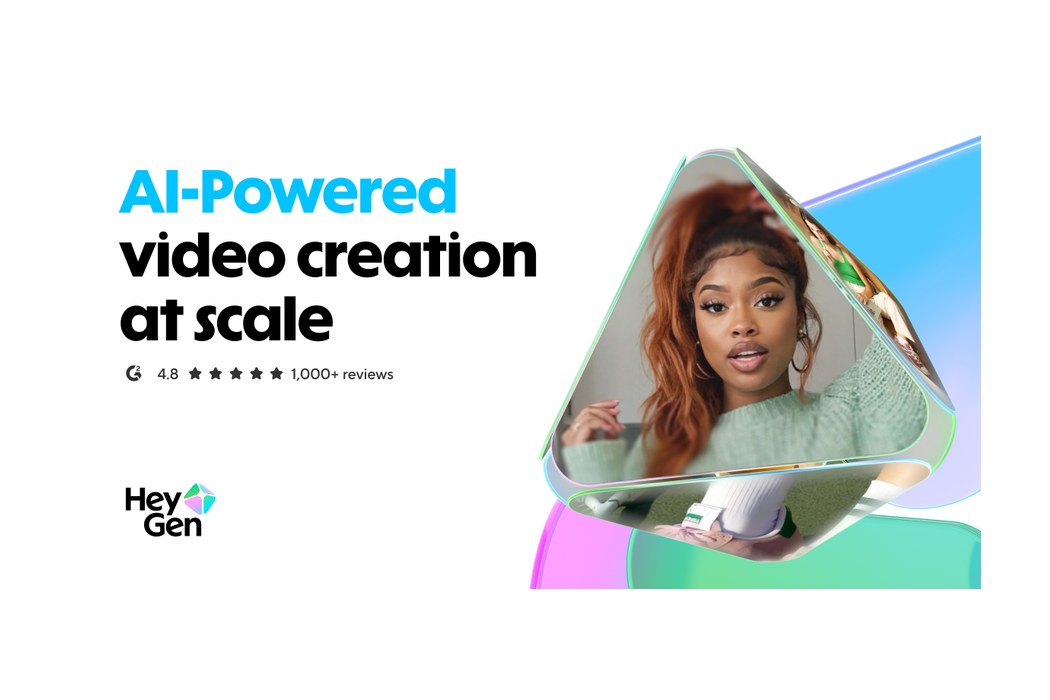
HeyGen
HeyGen wants to make the camera optional. Its digital twins, translation tools and video agents turn one human performance into a production system that can speak to almost anyone.
Smartcat
Smartcat is an AI-powered global content platform that lets enterprises create, translate, and localize content in 280+ languages. It combines a translation management system, computer-assisted translation editor, and a matching engine that routes work to the best AI models, with an integrated marketplace of 500,000+ professional linguists for human review. More than 1,000 companies - including roughly 20% of the Fortune 500 - use Smartcat to scale multilingual content while cutting cost and turnaround time.