The first band took months. Yoav Markiewicz remembered that part even when the pace had changed enough to make the old wait seem improbable. In September 2024, Heavys launched five band partnerships in a week. Opeth, Nightwish, Miss May I, Sylosis and Shadow of Intent had joined the store. For the company’s co-founder, the tally brought back the less photogenic business of persuading somebody to go first.
He remembered wondering why Warner Music would take a chance on the company. It is a revealing admission from an experienced operator. A résumé can get you into a conversation. Somebody still has to decide that your young business deserves their name on its product.
“What are they doing? Why are they betting on us?”
Yoav Markiewicz, recalling the first major label deal
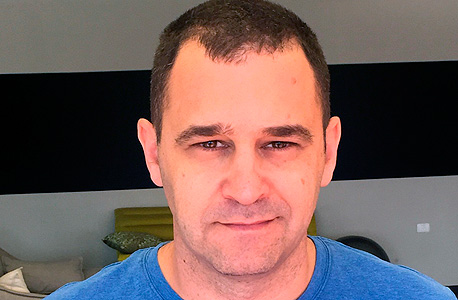
That mixture of experience and surprise makes Markiewicz an interesting figure in consumer audio. His career has included Waze, Conduit and several ventures of his own. Now, as CEO and co-founder of Heavys, he works on a proposition that can be explained without a spreadsheet: headphones with interchangeable covers bearing the artwork of artists people love.
The spreadsheet is presumably still necessary. It simply has competition from the record collection.
Before the band names, the friends’ names
There is an earlier chapter that helps bring this one into focus. Markiewicz co-founded MyHeroes with Avi Schwartz. The service connected consumers and service providers through small communities of mutual friends. Rather than start with an unfamiliar name and a stack of anonymous opinions, someone could see which providers their friends used and what they thought of them.
A September 2016 company feature described a four-person team in Tel Aviv. MyHeroes had launched in the United States four months earlier and reported 50,000 users, more than a quarter of a million reviews and several thousand registered businesses. Those were the company’s figures at the time, a snapshot of an early venture trying to make recommendations more useful.
The practical problem was easy to recognize. A recommendation carries different weight when you know who is making it. MyHeroes tried to give that familiar exchange a place inside a product. The provider gained a route to customers; the customer gained a little context before choosing.
It offers one way to read his later work. MyHeroes and Heavys are different businesses, but both make room for relationships that exist before a purchase. Friends already have opinions about a service provider. Fans already care about an artist. A business can try to make those connections useful without having to invent the feeling from scratch.
That is an interpretation of the two ventures, rather than a claim that one was a rehearsal for the other. Careers are rarely so considerate of the people who eventually write about them.
A growth career finds a different audience
Markiewicz studied engineering at the Technion between 1994 and 1998. His operating career later included senior leadership at Conduit and management at Downloadius. From March 2017 to September 2018, he was global head of growth at Waze within Google. He subsequently co-founded Jasper and began his co-founder role at Heavys in January 2020.
The job titles place him in a familiar entrepreneurial orbit: products, audiences, distribution and the repeated work of building a business. They also explain why his current venture is worth looking at through a broader lens than a headphone specification. Getting a product noticed has been a substantial part of his professional life.
He has also taken part in public conversations about the work. In January 2019, a Google for Startups event in Tel Aviv put him on a panel about the right and wrong ways to grow startups. The other participants included Yoav Degani, Jonathan Schor and Lihi Pinto Fryman. By July 2025, another campus event listed him among entrepreneurs discussing ecommerce.
The subjects changed with the work: startup growth, then the opportunities and complications of selling to consumers. These appearances belong to the less glamorous side of a founder’s public life, where the discussion is about making things function. That suits the Heavys story. Artist names may draw the eye, but the business still has to turn interest into an order and an order into something that arrives.
Eight drivers, one visible allegiance
Heavys began with a particular audience in mind: fans of heavy music. Its early campaign described a team dissatisfied with the way existing headphones presented the music they cared about. Audio engineer Axel Grell, whose career included Sennheiser, became a central part of the technical story. The campaign reported more than $1 million in Kickstarter sales in 30 days.
The H1H headphones use eight drivers, with four per ear. Heavys describes their placement as part of its attempt to recreate a more natural, concert-like sound field. The headphones also offer wired and wireless listening. Those details give the object a practical purpose before any artist artwork is added.
The outside introduces another reason to choose it. Shells snap onto the ear cups and can be replaced with different designs. A listener can keep the headphones and change the artwork. The company sells officially licensed editions and says artists are paid when their designs are purchased.
The idea has a pleasingly direct quality. The artist’s name occupies the part of the headphones other people can see. It gives the familiar impulse behind a band shirt another surface. A shirt has long been capable of starting a conversation between strangers; a pair of ear cups may have a quieter opening line.
For Markiewicz’s business, the distinction matters. Engineering can make a device worth using. Artwork can make a particular version worth choosing. Neither automatically guarantees the other. The company has to make the relationship between them convincing each time it brings an artist into the range.
The people on the other side of the deal
Building that range also requires people who know the music business. In January 2024, Markiewicz welcomed Itay Rahat as Heavys’ chief commercial officer. Rahat had spent a decade at Warner Music, working on audiences and marketing technology. His move placed that experience inside a company seeking closer connections between artists and listeners.
There is a useful symmetry in the pairing. Markiewicz brought experience growing technology businesses. Rahat brought experience with the institutions and relationships around music. Their work met at a physical product that needed both a customer and an artist’s participation.
A February 2025 Heavys announcement set out a multi-artist partnership with WMX, Warner Music Group’s artist services and brand licensing division. The designs included Type O Negative’s World Coming Down artwork, with other artists named in the partnership. Here was the merchandise idea in concrete form: an existing album identity fitted to something a fan could use every day.
It is tempting to read a label agreement as a single large event. The product makes the smaller work visible. Someone has to agree on a design, make it fit the object and offer it in a form that a listener wants. A recognizable name supplies attention. The collaboration has to supply the rest.
In December 2025, Markiewicz announced Heavys’ first collaboration with Universal Music Group and Bravado International Group. The accompanying artist announcement began with King Diamond. He described the agreement as joining more than 30 existing brand partnerships and set out an ambition to build a broader audio commerce platform.
That language widens the frame. A headphone company sells a device. A business organized around artist editions has to keep making room for new relationships. His proposed direction brings the catalog, the product and the fan’s sense of identification into the same commercial picture. How far that can go remains the work ahead.
A job he might have wanted himself
One of Markiewicz’s lighter remarks makes a fitting accompaniment to that ambition. In May 2026, while welcoming Charlie Alberga to the partnerships team, he joked that partnerships at Heavys could have been his dream job, except that somebody had now taken it. The chief executive appeared to have spotted an attractive vacancy a little late.
The remark is amusing because the appeal is understandable. A partnership job at this company involves the artists and communities that give the product much of its character. It is close to the point where a commercial plan becomes a particular piece of artwork on a particular pair of headphones.
It also returns the story to that first band. Markiewicz’s recollection preserves the waiting inside the later announcements. Five launches in a week sound brisk. The earlier months remind you that a relationship has to begin somewhere, with someone prepared to let a young company carry a little of their reputation.
His stated ambition now reaches beyond one genre or one edition. He wants personalized audio connected to the brands and communities people identify with. The proposition will continue to depend on ordinary, demanding things: a product people use, partners willing to participate, and promises kept after the announcement.
For all the vocabulary of platforms and growth, the object remains easy to understand. Put on the headphones. Pick the artwork. Carry a small declaration of taste into the day. Markiewicz’s business begins with what someone already loves, then tries to earn a place beside it.