Walk down the electronics aisle at a Walmart or a Target and your eye snags on it before you read a single word: a small, saturated blue box in a sea of white and black packaging. That box is the point. JLab, the audio company behind it, has spent twenty years betting that most people do not want to spend $250 on earbuds - they want good sound for the price of a pizza, and they want to find it without a spec sheet.
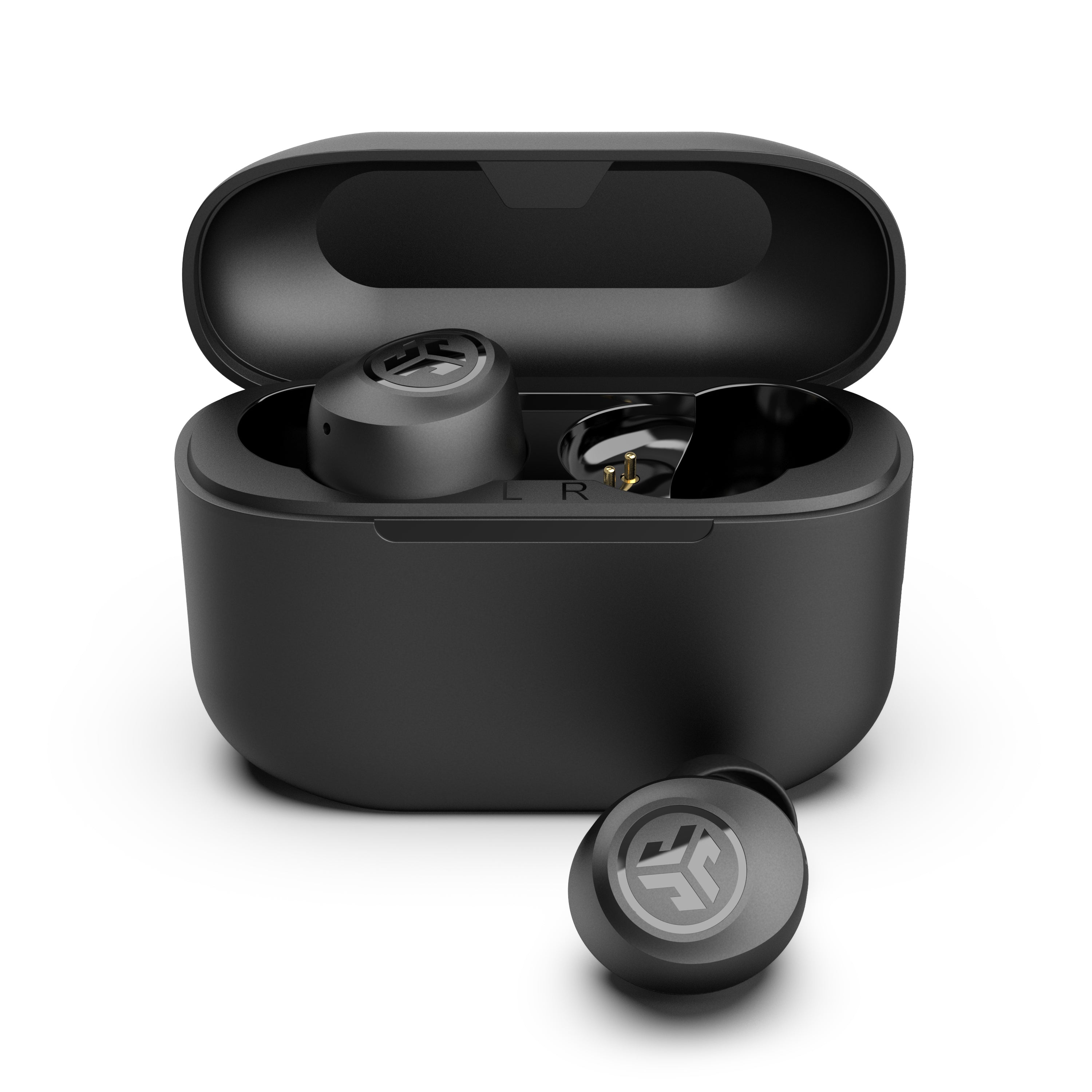
JLab makes wireless earbuds, over-ear headphones, work headsets, USB microphones, and, more recently, keyboards and mice. Most of it costs under $50. Some of it costs $8. That single decision - to own the low-and-middle of the market instead of chasing the flagship - turned a small Tucson earbud brand into one of the top-selling true-wireless names in the United States, and in 2021 it delivered a reported $370 million sale to a Japanese buyer.
01 / What it doesAffordable sound, sold everywhere
The company was founded in 2005 by Joshua Rosenfield, who started out selling value-priced in-ear headphones under the JBuds name. The pitch has barely changed since: enhance an active lifestyle through sound and design "without the rockstar price." What has changed is the range. JLab now spans a full ladder of products, from throwaway-cheap earbuds to a flagship with dual drivers and spatial audio.
You can find JLab on its own site, jlab.com, but the real engine is retail: Walmart, Target, Best Buy, Costco, Amazon, and Office Depot all stock it. That distribution, paired with prices most competitors will not touch, is how a brand few people can name by its founder ends up in millions of ears.
02 / Who buys itThe shopper everyone else forgot
JLab's customer is not the audiophile reading driver diagrams. It is the commuter, the student, the parent buying a first pair of headphones for a kid, the gym-goer who sweats through a set, the remote worker who needs a headset for calls. The company is cited as a top-selling true-wireless brand under $100 in the US and the number-one selling kids headphones brand in the country - a quiet, high-volume niche that flashier rivals tend to ignore.
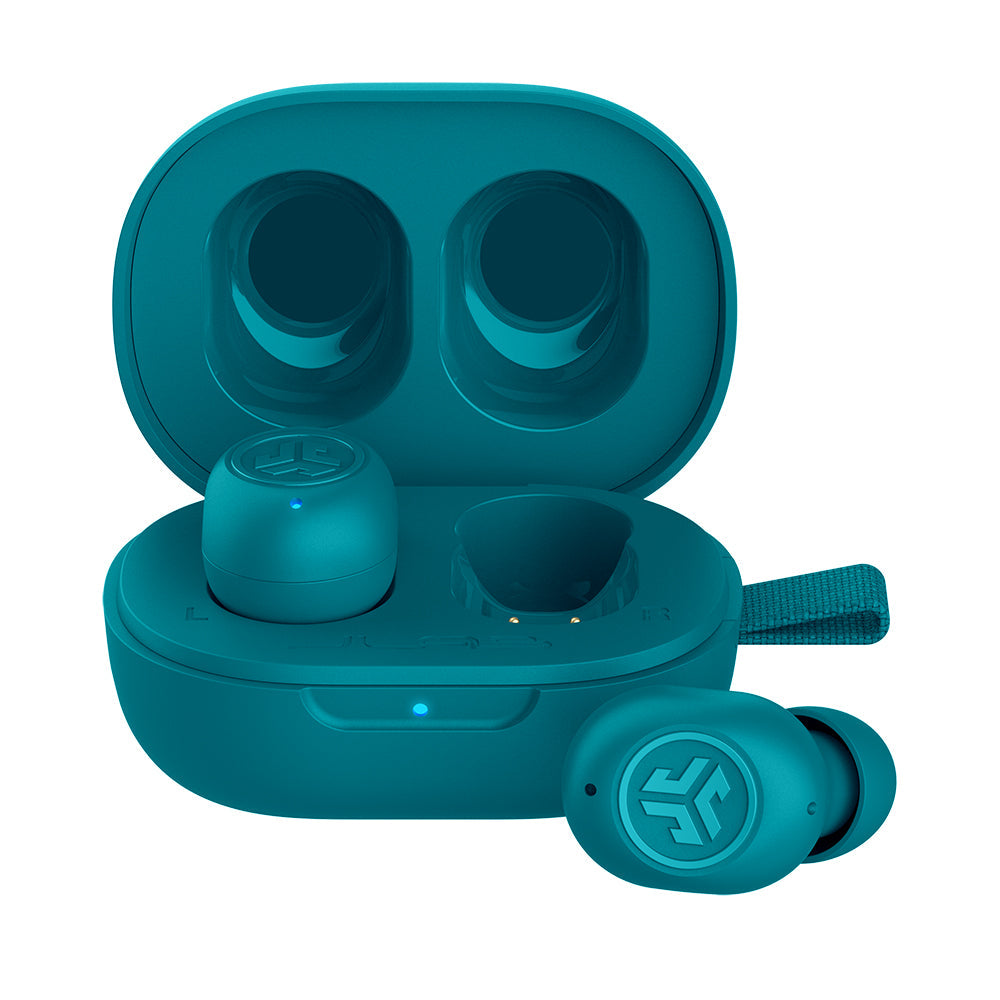
That volume mindset shows up in the details. JLab released the JBuds Mini, earbuds it marketed as smaller than a dime. It launched GO Air TONES in skin-tone colors designed to sit discreetly in the ear. These are not moves a premium brand makes; they are moves a brand makes when it is thinking about the person standing in the aisle, deciding.
03 / How it is differentThe blue box theory of retail
Ask most audio brands what makes them different and you get a story about drivers and codecs. Ask JLab and you eventually get to the box. The company deliberately packages its products in a bright blue box because everyone else uses white and black. On a crowded shelf, being seen is half the sale - and JLab treats packaging as product design, not an afterthought.
The playbook, if you want to steal it
Pick a price point the incumbents have abandoned. Make the product easy to find physically - color, size, shelf placement - not just easy to spec. Sell everywhere at once. Then ladder up: once people trust the cheap thing, sell them the $199 thing on the same shelf.
The other difference is speed. Under CEO Win Cramer, who joined in 2011 and led the company through most of its growth, JLab has treated adaptability as the whole strategy. Cramer's framing is blunt: if the company could not quickly pivot to match how consumers were behaving, it would be "dead in the water."
04 / Products & servicesFrom $8 earbuds to your Zoom setup
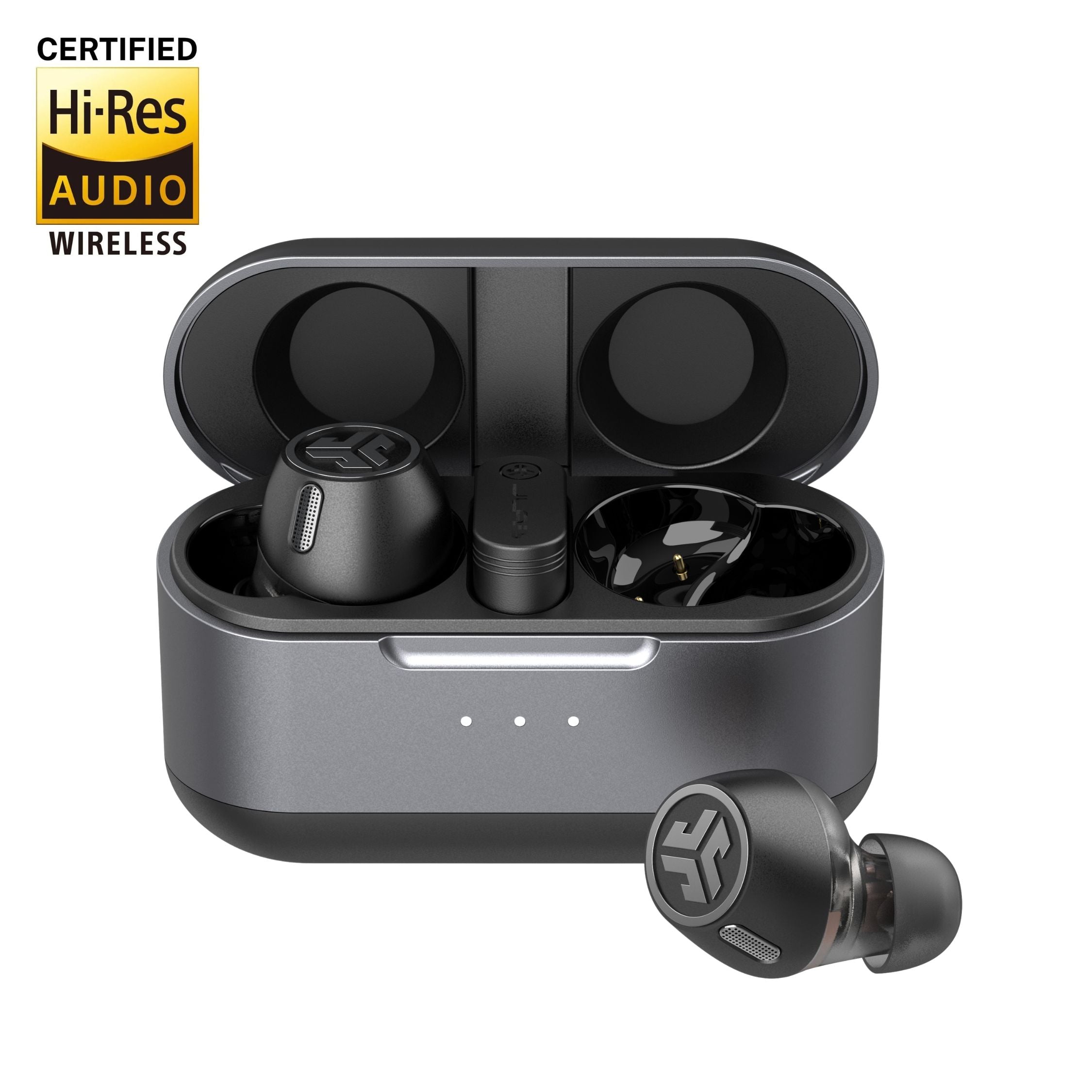
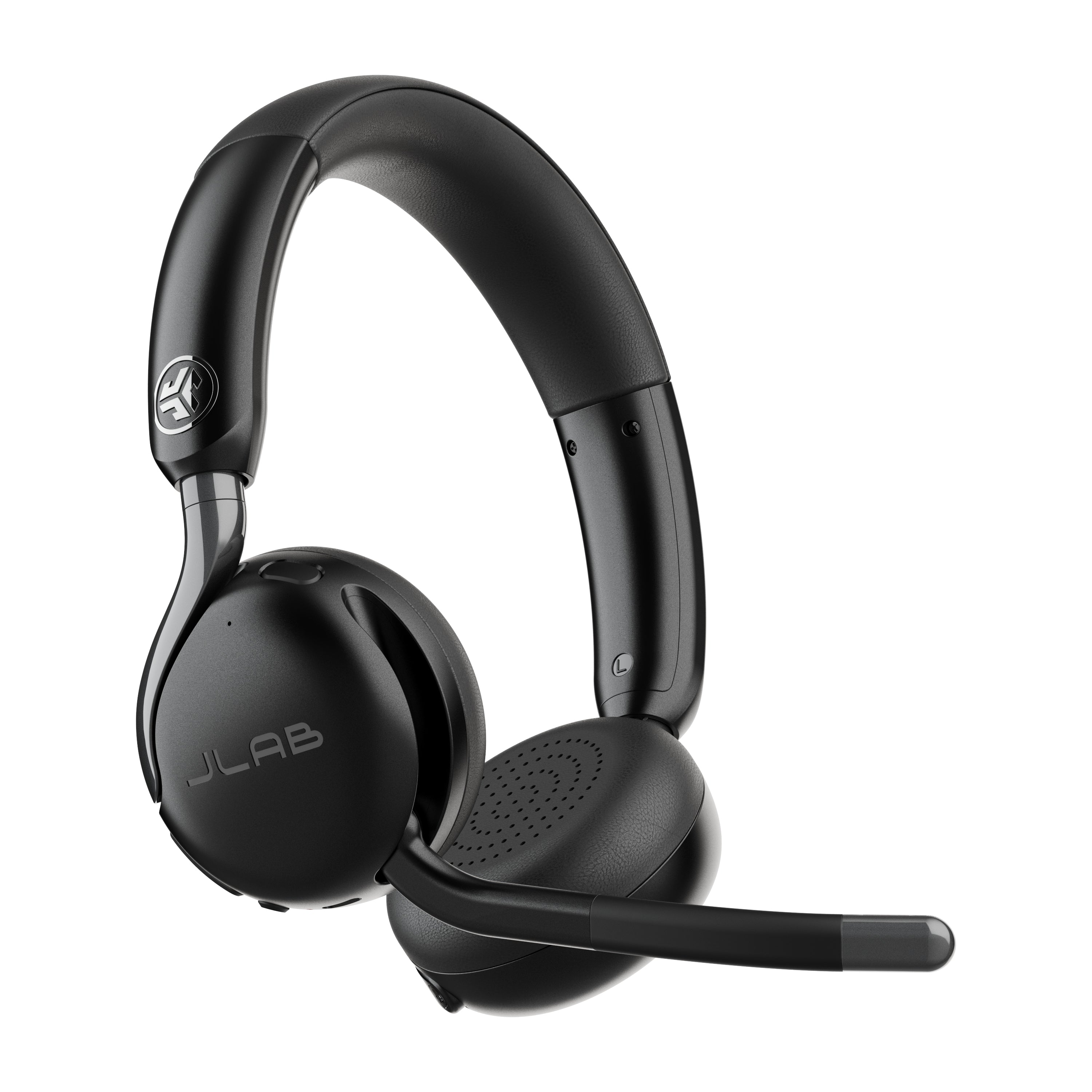
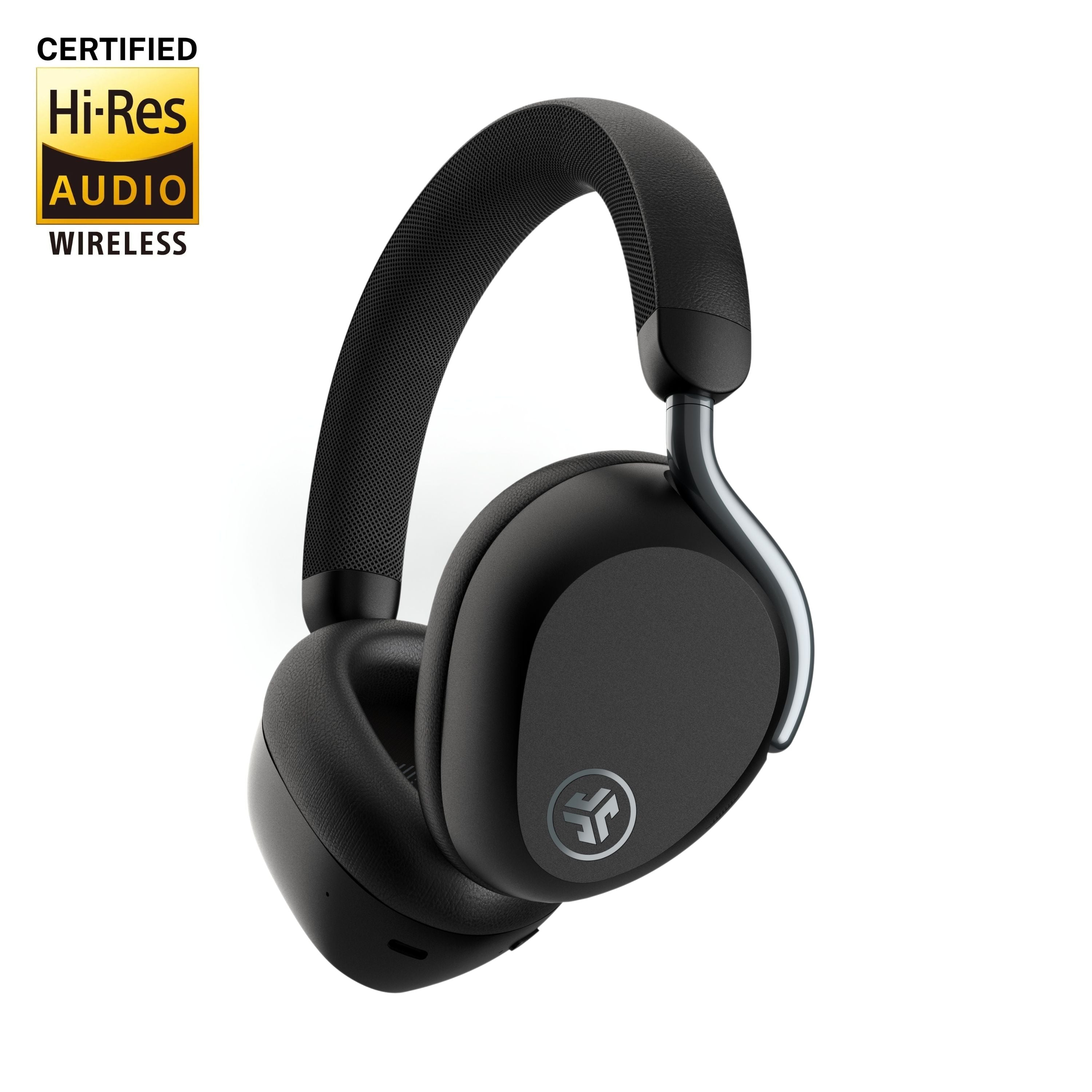
The core is the JBuds and GO earbud families. Above them sits the Epic line, topped by the Epic Lab Edition earbuds - JLab's first true-wireless model with hybrid dual drivers and a Knowles Preferred Listening curve - and the Epic Lux Lab Edition over-ear headphones, which pair adaptive noise canceling and spatial audio with head tracking and a 90-plus-hour battery. Then there is the workday side of the catalog: Work headsets for calls, TALK USB microphones for streaming and gaming, and a growing set of peripherals including an ergonomic keyboard-and-mouse bundle shown at CES 2025.
05 / Business modelDirect plus the entire aisle
JLab runs a hybrid model: direct-to-consumer through its website, and mass retail through the big chains. The value pricing is the wedge - an $8 earbud gets a first-time buyer in the door - and the product ladder does the rest. It is a margin-through-volume game, and it depends on being physically present wherever people already shop for electronics.
06 / The market & the moneyA turnaround, then a $370M exit
JLab's ownership tells its own story. Bootstrapped in 2005, the company was acquired in 2012 by Mach Speed Holdings, backed by Dallas private-equity firm Transition Capital Partners, and relocated to Oceanside, California. Revenue reportedly grew around 256% between 2015 and 2017, the year it moved to a larger Carlsbad facility and became the official audio partner of Major League Soccer. In April 2021, Japan's Noritsu Koki acquired the brand for a reported $370 million, keeping the existing team in place to run it independently.
In the market, JLab lives in the budget tier alongside Anker's Soundcore and Skullcandy - the three brands that fight hardest for the shopper who will not spend $100. Above them sit JBL, Beats, Sony, Bose, and Apple's AirPods. JLab does not try to beat those names on prestige. It tries to beat them on the receipt, while still shipping ANC, spatial audio, and long battery life in its top models. Public estimates put annual revenue around $240 million, though the company, now privately and foreign-owned, does not disclose exact figures.
07 / What is nextPeripherals and hearing health
The recent moves suggest a brand widening its definition of "audio." At CES 2025 JLab showed the Epic Lux Lab Edition headphones, the Go Lux ANC on-ear, and an ergonomic keyboard-and-mouse bundle, and it has signaled plans for affordable over-the-counter hearing help. The logic is consistent: take a category where the good version costs too much, and make a cheaper one people can actually buy.