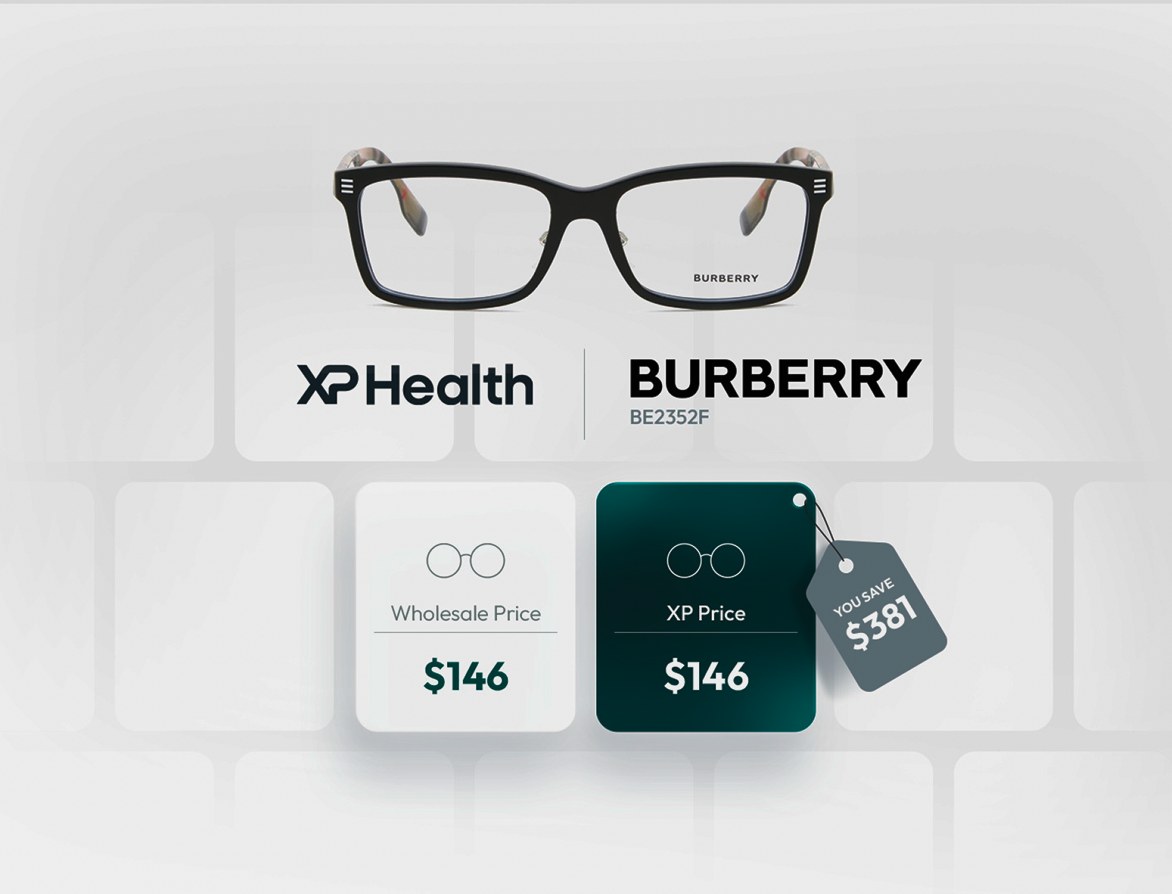
At an eyeglass factory in China, two Stanford students found the sort of number that can ruin a perfectly respectable business model. Antonio Moraes and James Wong saw designer frames that cost roughly $10 to produce and could sell for as much as $600 in the United States. A frame still needs lenses, fitting, distribution, and care. Yet the distance between those two prices suggested something else was being sold along with the glasses: a remarkably expensive maze.
They founded XP Health in 2018. The company now sells vision programs to employers and health plans, giving members a way to arrange eye care and buy eyewear through an online marketplace. In June 2026, partner Guardian said XP Health served more than 500,000 members across 3,500 business customers. That is a long trip from a student factory visit, but the question at the center of the company remains wonderfully basic: what should a pair of glasses actually cost?
- Employers and benefits partners sponsor access; employees and families use the platform.
- Members can renew eligible prescriptions online, find in-person eye exams, and shop frames, lenses, contacts, and non-prescription eyewear.
- XP Health says recurring membership fees support a model with visible eyewear prices and no factory-to-marketplace markup.
- Plan details matter. An allowance, an exam, and a pair of glasses are covered differently depending on the employer’s arrangement.
The little surprise at the optical counter
The founders did more than tour factories. Moraes said they interviewed 120 people about their vision needs during a Stanford entrepreneurship class. The answer they heard was familiar to anyone who has ever held a benefits card while an optician totaled a receipt: a covered service can still end in a startling out-of-pocket bill. In one interview, Moraes described the employee expecting to pay nothing and leaving the store owing $300.
A glasses-only solution would have missed the clinical part of the problem. People still need eye exams, and many want a professional to assess their vision. The pandemic pushed XP Health toward a digital-first platform, but the resulting offer keeps in-person care. Members can use a nationwide network that the company describes as having more than 100,000 provider combinations. The digital route handles discovery, prescription renewal where eligible, choosing frames, and checkout. A local optometrist handles the exam when one is needed.
“We thought there’s something very wrong with these markups.”Antonio Moraes, co-founder and CEO
This combination makes XP Health a peculiar creature in a crowded market. Warby Parker, Zenni, and EyeBuyDirect sell glasses online. VSP and EyeMed manage familiar workplace vision plans. XP Health tries to join the two jobs: a sponsored benefit and a direct shopping experience. Its pitch to the employer is lower total cost and more use; its pitch to the worker is a price that makes sense before the checkout screen.
A benefit with an actual shopping route
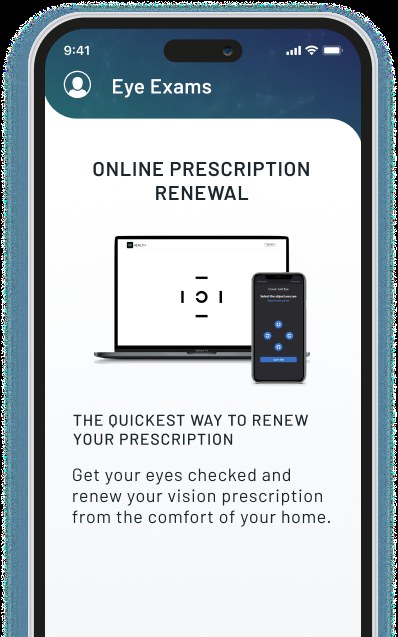
A member may start with a prescription. XP Health offers online renewal for eligible cases, and directs others toward an in-person exam. Next comes a marketplace with thousands of frames and options for prescription glasses, sunglasses, readers, computer glasses, and contacts. The company uses a face scan to recommend frame sizes and shapes, then offers virtual try-on. Some programs have also let members order several frames to try at home. Lens features and allowances vary by plan, so the employee’s own program decides the final bill.
Renew online when eligible or book an in-person exam.
Use face scanning, virtual try-on, or a home try-on where offered.
Apply the plan’s allowance and review the balance before ordering.
The economics are just as important as the face scan. Moraes has said XP Health earns recurring membership fees and does not mark up the frames and lenses it sources directly from factories. That makes the employer or partner the commercial buyer, while the employee is the everyday user. The user may still pay for some products or services. Guardian’s 2026 description is explicit: its XP Health option is a sponsored discount plan, not an insured vision benefit. The distinction is less glamorous than a virtual mirror, but it tells a benefits manager what sort of contract they are considering.
What happened when people used it
Sequoia Consulting Group provides the clearest small-scale test. During the pandemic, its remote workers reported eye strain, while a traditional plan did not cover non-prescription computer glasses for employees with 20/20 vision. XP Health added a branded version of its platform over Sequoia’s existing benefit. According to XP Health’s case study, the setup took a couple of weeks and required no integration. Sequoia chose a plan with $150 toward each of three pairs per year for employees and up to five family members.
In the first six weeks, 80 employees and family members bought glasses. XP Health reports $275 average savings per buyer and $22,000 in total savings, with a return above 13 times Sequoia’s investment. These are the company’s case-study figures for one client and a short period, rather than a promise for every workplace. Still, the lesson is easy to see. The benefit finally included something a worker with perfect vision could use, and it arrived without a second trip to a shop.
Sequoia Consulting Group pilot, as reported in XP Health’s case study.
Other customers suggest the pitch can travel beyond tech offices. Bell Bank selected XP Health for more than 2,000 employees in 2024. XP Health says International, the truck maker, saw employee glasses purchases rise 35% while average member cost reached $81 per pair. Named business customers have included DocuSign, Navistar, and Chegg. These examples show different employers buying variations of the same proposition: a vision benefit employees might remember to open.
Growth is easier to count than savings
The company raised $17.1 million in a 2022 Series A and $33.2 million in a 2024 Series B led by QED Investors. At the time of the second round, it reported more than 3,000 business customers, up from about 30 two years earlier. Guardian’s June 2026 announcement put the figure at 3,500 and added a new distribution route through its benefits ecosystem. That offering was available in 26 states at launch, with expansion planned.
Growth does not settle every question on a benefits manager’s desk. The employer still has to compare plan fees, allowances, provider availability, the products workers actually choose, and the price they would otherwise have paid. An online marketplace is most compelling when staff are comfortable shopping digitally and the plan makes its savings legible. A local exam remains essential for people who need clinical care. XP Health’s cleverness is to make those separate pieces feel like one purchase without pretending they are the same service.
There is a simple idea here for anyone designing an employee benefit. Begin with the receipt, then work backward. Ask who can use the benefit, what they will pay, and which step makes them give up. XP Health found a business in those questions. The eyeglasses were merely the most visible evidence.