On the first day of Wondersauce, John Sampogna walked across Manhattan to set up shop in a friend's apartment. There was no boss waiting, no elaborate product plan and, crucially, no reason to pretend the founders had discovered a new law of capitalism. Their test was almost comically plain: if they spent eight hours talking to people, could they find someone willing to pay them for a project? A coffee meeting supplied a small yes.
Fifteen years later, the coffee-shop proposition has become an 85-person agency with teams in New York, Columbus, Costa Rica, Colombia and India. The work spans websites, ecommerce, campaign media, content production, automated marketing, internal workflows and the new business of helping brands appear in AI-generated answers. Its client scrapbook includes Grubhub, CrunchLabs, Alta Dena, Sotheby's, GOLF, Sixpenny and Scotts Miracle-Gro, with Nike, L'Oréal and Google among earlier names.
That list can make Wondersauce sound like a full-service agency in the old, blurry sense: a room full of disciplines and a deck full of nouns. Its current pitch is sharper. Find the mechanism that is stopping a brand from growing. Change that mechanism deeply. Show the result. Then move to the next one. Transformation, in the firm's language, is depth rather than sprawl.
The exit that did not end the company
Wondersauce was founded in 2011 by Sampogna and partners including Eric Mayville and Seth Klassen. It grew quickly enough to attract holding-company attention. In October 2016, Project Worldwide acquired the roughly 80-person shop, its 14th agency at the time. The price was not disclosed. The founders had spoken with several prospective buyers before choosing Project, whose network promised infrastructure, international reach and other specialist agencies without requiring Wondersauce to surrender its name.
The acquisition matters because the usual founder tale ends at the wire transfer. Sampogna stayed. A decade later, he is still chief executive and the agency still trades as Wondersauce. The deal appears less like an escape than an exchange: some financial and operational independence for payroll, HR and network support. In a later interview, Sampogna described the accumulating burden of collections, staffing and administration. The first thing to strain was not creative ambition. It was the machinery required to keep a growing services company solvent and staffed.
“There’s something amazing about being naive, about not overthinking or derisking every decision.”John Sampogna, co-founder and CEO
What changed the founders' minds was therefore practical: a buyer could absorb operational weight and supply resources for expansion, while allowing the people who built the agency to keep operating it. That condition is the whole lesson. A network is useful when it removes drag. It is less useful when its processes flatten the culture or turn every decision into committee weather.
What Wondersauce actually sells
The agency now organizes its work into six offers, each framed as a diagnosis. Web and ecommerce builds are for a platform that has become the constraint. Content programs are for a team whose demand has outrun production. Media and campaign management joins buying and creative in a single performance loop. AI Search & Discovery measures whether a brand appears accurately in generative answers, then improves the content, schema and entity signals those systems use.
Websites, apps, ecommerce architecture, rapid prototypes and post-launch optimization.
Content strategy, human-led production, always-on creative and a learning loop.
Paid audits, full-funnel campaigns, performance creative, CRM and automation.
AI discovery, workflow redesign and short sprints that make an ambition tangible.
Workflow Redesign goes behind the public experience to remove duplicated work, unnecessary handoffs and tools that no longer fit. Visioning Sprints do the opposite of an endless strategy engagement: in a few focused weeks, a small senior group assesses the constraint, names the opportunity, builds an interactive prototype and sequences a roadmap. The client can see the proposed future before committing to the whole build.
From milk cartons to orbit
The portfolio makes the operating model less abstract. For Alta Dena, a Southern California dairy brand, Wondersauce built the “Fresh from Southern Cow-lifornia” campaign across connected television, social, outdoor, retail media and stores. Dynamic placements on Walmart, Target, Instacart and Uber Eats met shoppers near the decision. The agency reports 8.4 percent year-over-year sales growth, 22 percent growth in lactose-free products and a 25-times return on ad spend.

CrunchLabs presented another kind of bottleneck. The children's engineering company, founded by former NASA engineer and YouTube creator Mark Rober, needed a commerce system that could survive greater product and subscription complexity. Wondersauce rebuilt the Shopify storefront for Hack Pack, connected global fulfillment through a third-party logistics provider and developed custom middleware for subscription management. It also helped create programmable learning tools and microsites.
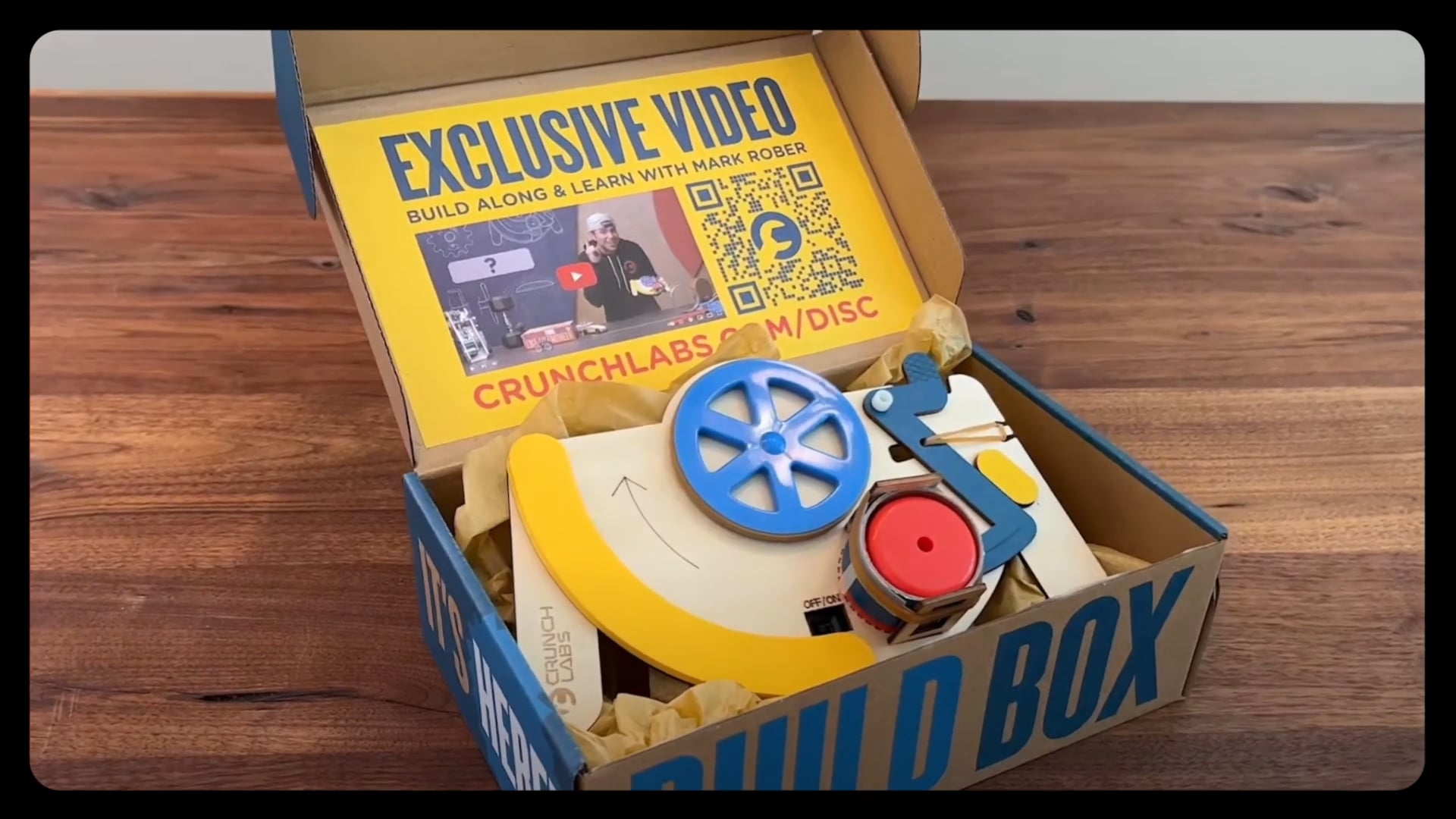
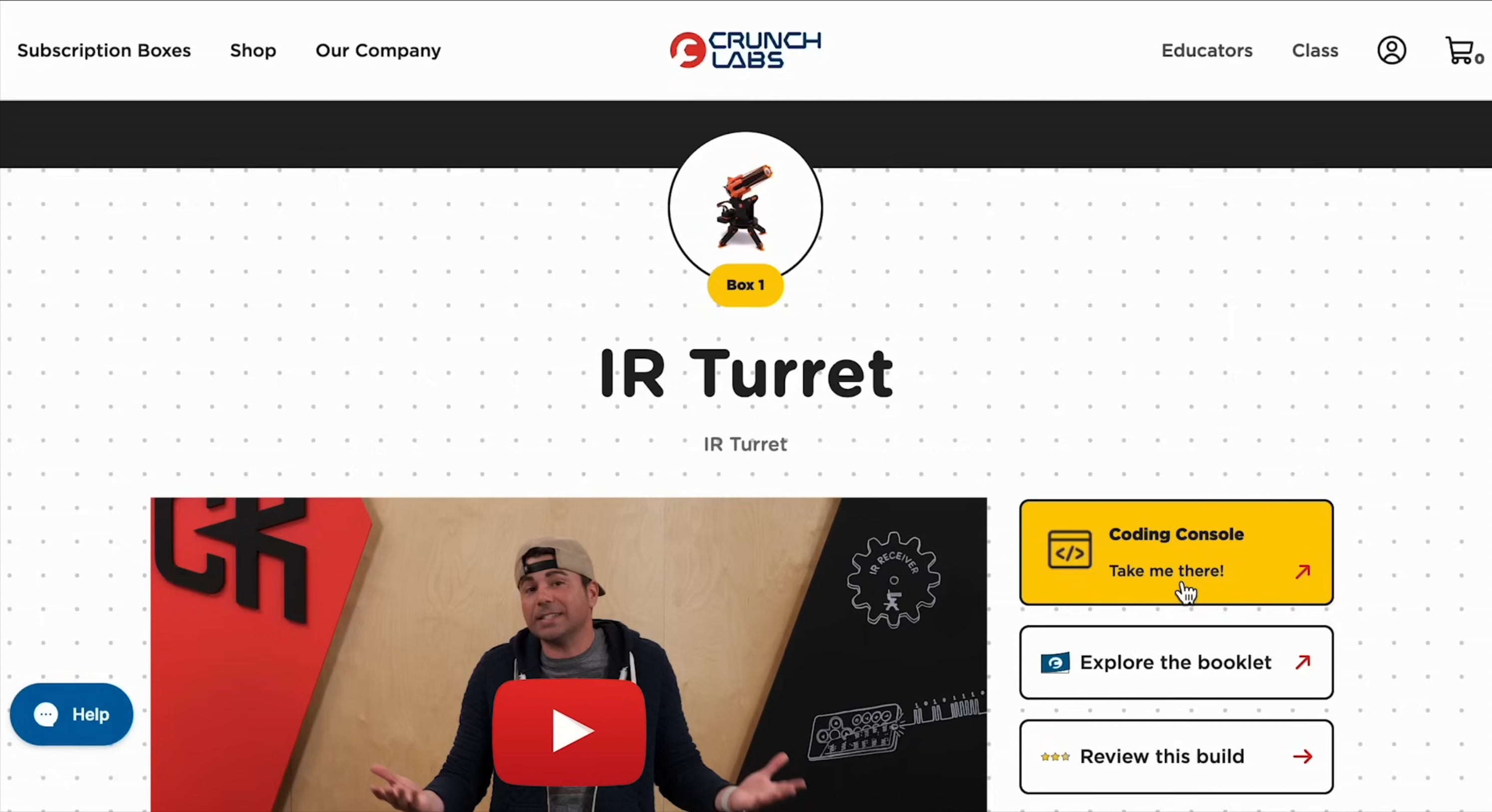
The visible numbers are playful and serious at once: 30,000 Hack Pack subscriptions in the fourth quarter of 2024, and more than 900,000 user-submitted selfies involved in a Space Selfie Project with Google and T-Mobile. It is hard to think of a better illustration of the shop's range than a backend subscription system sharing a case study with photographs sent into orbit.
For Grubhub, the constraint was time and scale. A personalized year-in-review campaign had seven weeks to launch and needed to turn the eating habits of millions of users into shareable pages. Wondersauce recommended Webflow Enterprise, built the experience and helped it withstand 11,000 users a minute. Webflow reports more than 1.3 million views. The lesson is not that every campaign belongs on Webflow. It is that the platform decision followed the traffic, personalization and deadline instead of an agency's favorite stack.
The bill, the buyer and the catch
Wondersauce does not publish a rate card. Its site says builds are scoped to the problem, ranges are shared early and large investments can be phased. Clutch, a third-party agency directory, lists a minimum project size of $5,000 and hourly rates of $50 to $99, but those figures should be treated as a directory snapshot, not a quote. A platform rebuild, integrated media program or embedded multidisciplinary team can plainly require much more.
The less obvious cost is organizational. Integrated work asks a client to supply clean goals, data access, fast feedback and senior people who can settle disagreements. A content engine needs a cadence. Performance creative needs reliable attribution. Workflow redesign needs employees willing to expose the awkward handoffs they have learned to tolerate. A visioning sprint needs leaders senior enough to fund what the prototype reveals.
Steal this, with conditions
Copy: Frame every offer around a recognizable constraint. Build something testable early. Connect creative to performance data. Stage the investment and prove one mechanism before expanding.
Do not copy: The broad service menu without the diagnostic discipline. It becomes expensive ambiguity when goals are fuzzy, scopes are tiny, data is guarded or stakeholders cannot make a decision.
Different by connection, not invention
None of Wondersauce's ingredients is proprietary. Huge, R/GA, Work & Co, Code and Theory, VaynerMedia and dozens of specialists can design a store, buy media or produce content. An internal brand team can assemble the same capabilities from several vendors. Wondersauce's differentiation is the connection among them and its willingness to enter at different points: a prototype before a rebuild, an audit before a media commitment, or a scorecard before an ongoing AI visibility program.
That makes its natural customer a brand in motion rather than a particular vertical: a retailer whose store is slow, a marketing team drowning in content requests, a legacy product needing new buyers, or an executive group with ambition and no shared picture of what comes next. The agency makes money from custom projects, phased builds and longer embedded relationships. Its role sits between creative agency, performance shop, product studio and digital consultancy.
The company's latest turn toward generative search is a sensible extension, though also a test. Helping a brand become citable inside AI answers depends on machine-readable structure, consistent facts and authority across the web. Those are real needs. The market is young, measurement is still changing and no agency controls when a model recrawls a source. Wondersauce says brands can see movement within weeks to months, not that anyone can purchase a guaranteed answer.
The most useful product here may be the sequence: diagnose, make the future visible, change one system, measure, repeat.
Sampogna has said referrals, not cold outreach, built the business. That belief supplies a useful AI boundary. Cheap automation does not rescue a channel that never worked; it merely produces more of the failure. The agency's stated approach is human-led and AI-enabled, with technology assigned repetition and people keeping judgment. This is less theatrical than replacing a creative department with prompts, and more credible.
Wondersauce's story is not a tidy tale of disruption. It is an agency learning how to remain useful as the objects around it change: websites, feeds, commerce stacks, media platforms and now answer engines. The company sold, stayed, repositioned and kept the peculiar name. For founders, the steal is equally unromantic. Build around a pain someone will pay to remove. Hire for the bottleneck that appears next. Accept infrastructure when it creates room to do the work. And never confuse a longer menu with a clearer business.