A stock gets more expensive. An index gives it more room. For most investors, that arrangement is so familiar it barely registers as a decision. Market capitalization determines the weights; the largest companies occupy the largest seats. WisdomTree built its ETF business around an awkward question: why should price have the final say?
- Turn dividends and other fundamentals into portfolio rules.
- Package specific jobs, including currency hedging, inside tradable funds.
- Take the wider group’s fund business onto blockchain infrastructure.
On June 16, 2006, the firm launched 20 exchange-traded funds in a day. Their central provocation was dividend weighting: use the cash companies distribute as an anchor for portfolio construction. The proposition was easy to grasp. Buying an index need not mean accepting the market’s current enthusiasm in precisely the proportions it supplies.
The magazine that became a rulebook
The route to that launch went through publishing. Jonathan Steinberg’s predecessor business produced Individual Investor and Ticker. During the financial-media downturn of 2000 and 2001, it sold its media properties to preserve capital and pursued index development. The research machinery survived the magazine business. That is the revealing detail: a company that once explained investments began manufacturing them.
Steinberg and strategist Luciano Siracusano developed the fundamental-weighting approach. Backers in 2004 and 2005 included Michael Steinhardt, economist Jeremy Siegel and RRE Ventures. WisdomTree Asset Management, Inc., the U.S. investment-advisory subsidiary, was formed in February 2005. The parent’s older corporate history and the 2006 ETF debut are separate dates with separate meanings.
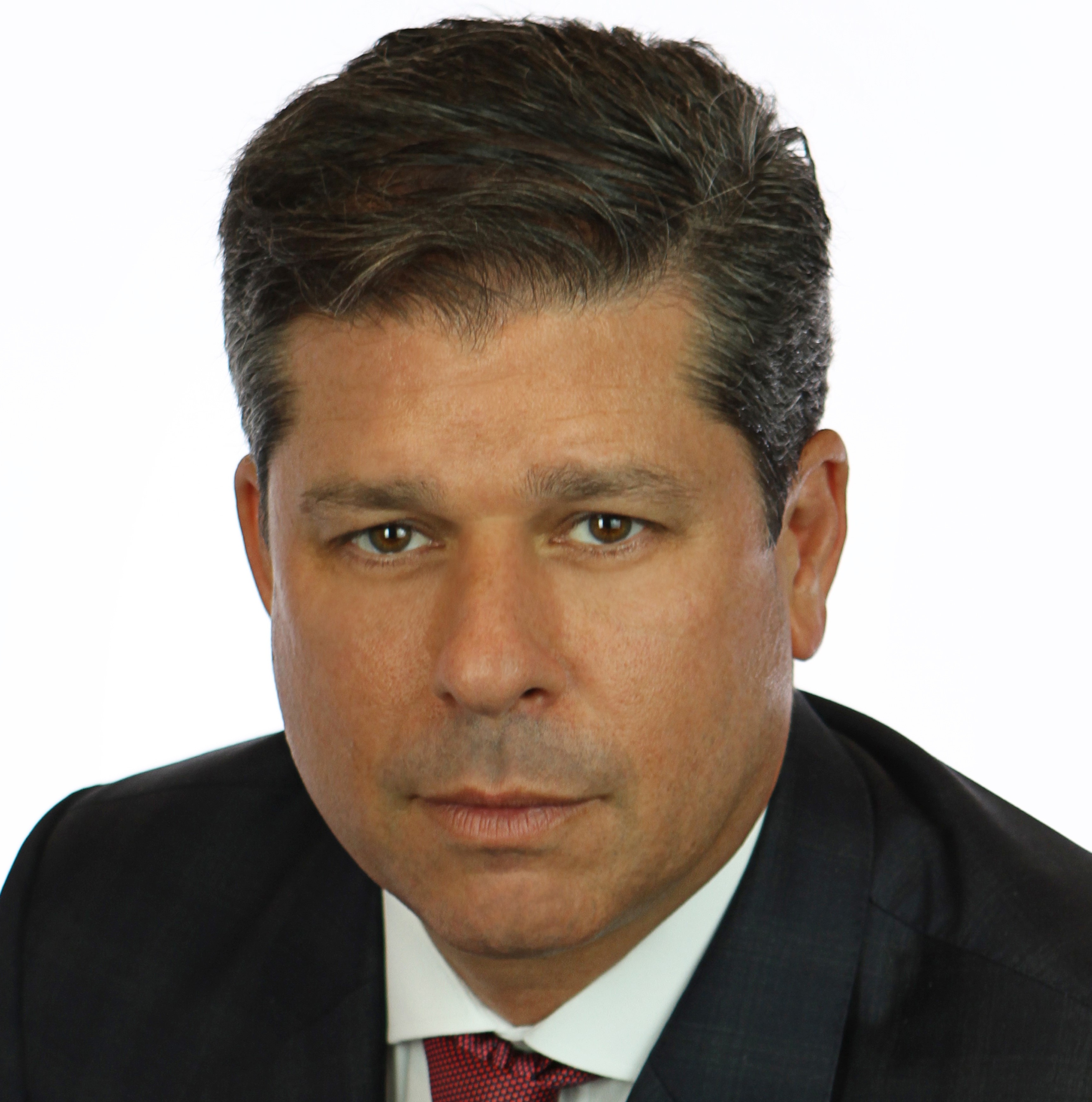
The company’s account of its culture offers a small clue to its temperament. In a 2018 interview, Steinberg said, “Only hire happy people,” adding that they should be comfortable in their own skin. It is a founder’s hiring preference, rather than proof of everyday office life. Still, it is a surprisingly human specification for a business built on quantitative rules.
Three tickers, three different jobs
Today, the U.S. adviser manages WisdomTree’s American ETF lineup. The wider group also offers European exchange-traded products, portfolio solutions, private assets and digital funds. Its customers range from individuals placing brokerage orders to advisors constructing portfolios and institutions allocating capital. Those customers can arrive at the same brand carrying very different problems.
Consider DGRW, the U.S. Quality Dividend Growth Fund. It screens dividend-paying large U.S. companies for quality and growth characteristics. That distinction matters: seeking dividend growth differs from simply collecting the highest available yield. Its rules offer one way to organize an equity allocation, with the resulting preferences and omissions built into the portfolio.
DXJ, the Japan Hedged Equity Fund, tackles another complication. For a dollar-based investor, Japanese stocks introduce both company exposure and yen exposure. DXJ seeks to hedge currency fluctuations against the dollar. USFR, the Floating Rate Treasury Fund, has a different assignment again: exposure to U.S. Treasury floating-rate notes. A ticker is a very short label for a fairly specific job description.
The business earns advisory fees tied to assets. For the parent, operating revenue reached $493.8 million in 2025. That figure belongs to WisdomTree, Inc., rather than this subsidiary alone. So does the September 2026 report’s $168.93 billion in assets under management, which excludes Ceres’ private assets. Client assets and corporate revenue measure different things; neither is a count of satisfied investors.
There is an important distinction between selling a theory and maintaining a fund. The rule has to survive implementation, rebalancing and the practical business of trading. WisdomTree’s research bench includes Jeremy Schwartz, its global chief investment officer, and Siegel, its senior economist. Its proprietary indexes make research part of product design. Investors still have to decide whether the resulting exposure fits alongside everything else they own, and whether its departures from a conventional benchmark are departures they actually want.
Buying a less concentrated future
WisdomTree competes on shelves occupied by iShares, Vanguard, SPDR and Invesco. Its pitch depends on giving investors a reason to select a particular exposure or construction method. Advisors can also use model portfolios, consultations and portfolio tools, bringing the relationship into the work of deciding how funds fit together.
Expansion has required actual checks. In 2018, the parent bought ETF Securities’ European commodity, currency and short-and-leveraged business. The closing value was $523 million, comprising $253 million in cash and 30 million shares. The announced value had been $611 million; the share consideration explains why the two numbers differ. The acquisition broadened the asset base beyond the firm’s established equity strategies.
In October 2025 came Ceres Partners, a U.S. farmland investment manager. The parent paid $275 million upfront, subject to closing adjustments, with up to $225 million more contingent on revenue growth. Farmland added a private-market business to a group known for exchange-traded products. Diversification was becoming a corporate purchasing decision as well as an investment principle.
A fund that can travel on Saturday
Then there is the newer experiment. In September 2026, WisdomTree introduced Onchain, gathering tokenized funds and related infrastructure under one name. The lineup comprised 15 SEC-registered funds across eight public blockchains. Prime serves individual investors; Connect provides institutions and distributors with a portal and API. Tokenization changes the infrastructure around a fund share, without automatically changing what the fund owns.
“Tokenization was the answer, and we built toward it fund by fund, use case by use case.”Jonathan Steinberg, September 2026
The practical attraction is movement. The group offers around-the-clock secondary-market liquidity for its Treasury Money Market Digital Fund through a securities affiliate acting as principal dealer. Availability depends on inventory and market conditions. A treasury team may care about weekend settlement; an ordinary ETF holder may have no reason to switch. Distribution work with MoonPay and Stable Sea aims to connect the technology to people who have a use for it.
The September announcement also draws a useful boundary around the ambition. Onchain Markets, intended to extend the dealer model to more fund types, was still in development. A planned platform is a different proposition from an available service. Likewise, a tokenized money market fund remains an investment rather than an insured bank deposit. Faster access makes the product more convenient; it does not change that distinction.
The transferable lesson is to name the friction before building the product. Currency hedges can sacrifice gains when foreign currencies strengthen. Dividend rules can miss non-payers and lag a growth-led market. A blockchain cannot remove investment losses or guarantee a buyer. WisdomTree’s most useful question remains the original one: which rule are you accepting, and what would happen if you changed it?