A solar panel is easy to picture. A permit package is harder. One is a dark rectangle on a roof; the other is an assembly of drawings, calculations, equipment details, and local requirements. Yet a project needs both. WattMonk has built its business around that less photogenic half of solar: getting the information right, getting it reviewed, and getting it to the people who can approve the work.
For an installer, the attraction is practical. Selling another system creates another engineering assignment. Expanding into another jurisdiction creates another set of requirements. WattMonk offers a way to buy that capacity as needed, with software and engineers working through the same project.
- Engineering and permitting support for solar installers and EPCs.
- Services run from sales proposals to utility permission to operate.
- AI tools handle drafting, checking, and document workflows.
Start with the handoff
Founder and CEO Ankit Sheoran started WattMonk in 2019. The company describes its original observation plainly: installers were losing time and customers in fragmented engineering and permitting workflows. A small team of engineers and permit specialists became the starting point for a broader operations business.
That origin matters. A designer might finish a drawing and consider the assignment complete. An installer still has an application to submit, comments to resolve, and a utility to satisfy. WattMonk’s offering follows those handoffs. The product is the drawing plus the work needed to carry it forward.

Six jobs hiding inside one installation
Begin with the sales proposal: a system layout, shading analysis, production estimates, and projected savings. WattMonk uses imagery and LIDAR data to help build that picture. The site survey then supplies physical details that a proposal alone cannot settle, including roof measurements, structural information, and electrical equipment.
Next comes the plan set, the drawings and technical information assembled for review. Electrical and structural engineering can include a licensed professional engineer’s stamp where required. Permitting involves preparing and coordinating submissions with the authority having jurisdiction, usually shortened to AHJ. Utility interconnection is another process, ending in permission to operate, or PTO.
Those distinctions explain the customer base: residential and commercial installers, engineering, procurement, and construction firms, and renewable energy contractors. They need dependable technical output without staffing every specialty internally. WattMonk’s dashboard puts orders, project progress, communication, and billing in one place.
- 01 Proposal
- 02 Site survey
- 03 Plans + PE review
- 04 AHJ permitting
- 05 Installation
- 06 Utility + PTO
The service desk becomes software
By September 2025, Sheoran was describing an increasingly automated operation to Solar Builder. Internal teams used AI to accelerate plan creation. Zippy, then described as an upcoming automation tool, aimed to make revisions, electrical calculations, and line diagrams easier to produce. The interesting shift was from doing each assignment to building machinery for recurring assignments.
Sheoran described vision-based quality checking as “reading and validating complex diagrams and tables.” That is a particularly solar-shaped AI problem. Important information is scattered across drawings and schedules, rather than sitting neatly in a single paragraph.
“reading and validating complex diagrams and tables”Ankit Sheoran on vision-based AI, Solar Builder, September 2025
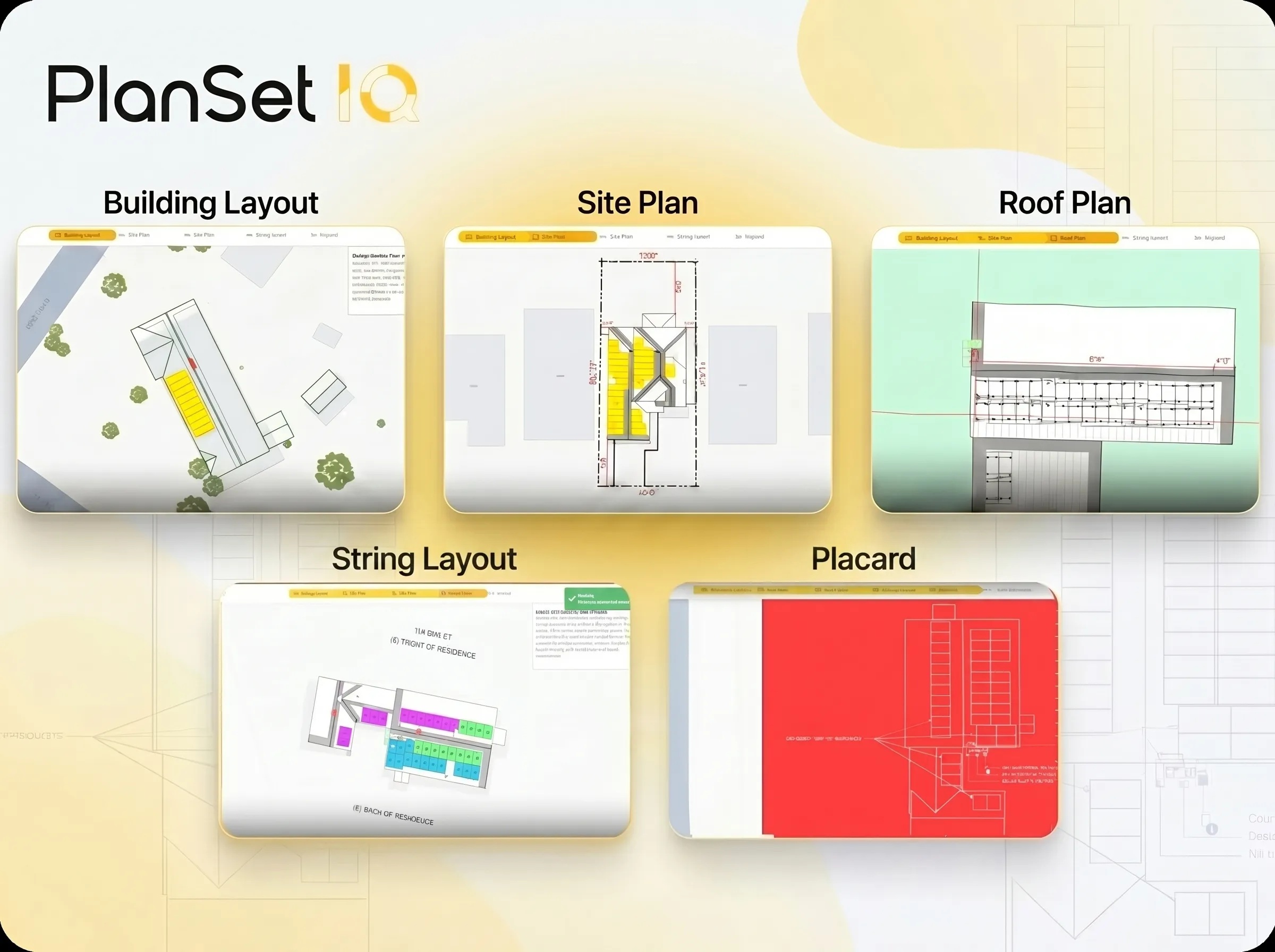
The current product lineup makes that direction clearer. PlanSetIQ combines plan-set creation and editing with automated calculations, compliance guidance, and quality checks. Solar Agent Hub handles repeatable operations work: project documents, tasks, scheduling, and queries. WattPay addresses financing paperwork, checking submissions and preparing documentation for an installer’s existing financing relationships.
WattPay’s role is easy to misread. It is a document and quality-control tool. Lending decisions and funding remain with the financier. Across the lineup, the commercial idea is similar: take a recurring administrative task and make it easier to repeat consistently.
The invoice follows the work
WattMonk charges by service, with prepaid and postpaid billing arrangements depending on volume and project cadence. It says there is no minimum order requirement. Some software features use paid subscriptions. This gives a small installer an entry point while leaving room for a larger customer to buy a broader workflow.
The useful cost comparison includes the time spent collecting inputs, tracking revisions, and managing submissions alongside the vendor’s fee. An installer evaluating the service should price a defined project and clarify what each revision or engineering review includes. Faster drafting has limited value if the handoff generates another round of chasing.
A partner behind the installer
A 2022 partnership with Sungage Financial placed WattMonk’s services inside the lender’s Partner Perks program. Sungage’s announcement said WattMonk already served more than 150 installers. WattMonk now reports supporting more than 400. Those are dated company statements, rather than a measured growth series, but they show the same business finding a wider audience.
Bodhi also lists a partnership offering WattMonk installers automated customer communications. Such relationships put the company alongside financing and customer experience tools. GreenLancer is a closer alternative in engineering procurement, operating a marketplace of fulfillment partners. WattMonk’s pitch combines its engineering operation with proprietary automation.
A faster file still needs a yes
The boundary is written into WattMonk’s own terms: plan accuracy depends on complete, accurate inputs, jurisdictional requirements can change, and approval is not guaranteed. Users must review outputs. An AI copilot cannot substitute for professional engineering judgment or the authority reviewing a submission.
That puts a condition on the whole proposition. A missing electrical detail or an outdated site survey still needs a person to resolve it. Automating the next step cannot establish a fact nobody collected. Nor can a document service promise how quickly an outside reviewer will act.
The useful lesson for other businesses is to study the handoff. Collect the right inputs once. Turn recurring requirements into checklists. Keep revisions attached to the project. Automate the checks that repeat, and give specialists the exceptions. WattMonk’s bet is that solar companies will pay to make those ordinary steps dependable. For the installer waiting on an application, ordinary would be a welcome improvement.