Virginia Martino had two businesses before she built the one whose name seems to contain her entire profession. There was Tusk Studios, the graphic design firm she founded in 1990. There was Las Vegas Magazine, where she became co-publisher in 1995. Then came the decision in 2000 to dismantle those arrangements and create BRAND. A career with a studio and a publication became a career with an agency. The tidy name conceals a fairly untidy act of entrepreneurship: making room for something new while the old things still have a reason to exist.
The sequence matters. A studio works on how an idea looks. A magazine decides which ideas deserve space and how to bring readers to them. An agency has to make those judgments useful to a client’s business. Martino had worked in the first two settings before bringing a wider collection of services together. Her restart offers a way into a life that keeps crossing between commerce and culture, between the thing being presented and the people invited to notice it.
Three dates, one deliberate restart
For Martino, the opportunity was tied to the hospitality growth she saw in Las Vegas. BRAND brought marketing and communications into the same business, with digital strategies alongside traditional branding. The decision placed her previous experience inside a broader operation. It also gave her a name that requires very little explanation at a dinner party. Asked what the company does, she can begin by pointing at the company.
Graphic design
Co-publishing
Marketing & communications
The client list grew to include hospitality businesses such as MGM Resorts International, Bally’s and Paris Las Vegas. BRAND’s service list now runs through advertising, public relations, websites, content and brand strategy. Those are different forms of communication, but a customer can encounter several of them while making a single decision. The practical appeal of an integrated agency lies in getting those encounters to agree with one another.
There is another continuity in her history. Las Vegas Magazine gave space to the city’s food and arts scene. Later, her interest in those subjects became a venture of its own. With her husband, architect and BRAND co-founder Mark V. Martino, she created The Odyssey Lifestyle. Gourmet dining, wine, travel, exhibitions and publishing all belonged to its remit. It was a remarkably hospitable list of interests.
An office with a guest list
One Saturday in early 2004, the Martinos turned their offices into an art gallery. They joined Robert and Nellie Shropshire, owners of Justin Robert Galleries in Santa Fe, to introduce Las Vegas guests to engravings by Czech artist Tomas Hrivnac. Gustav Mauler and his Spiedini staff catered the gathering. Champagne, wine and hors d’oeuvres accompanied the pictures. Robert Shropshire gave a short explanation of dry-point engraving.
The guest list included interior designers and people connected with Nevada arts organizations, museums and attractions. It was a working office temporarily organized around looking rather than working. The catering had its own sensible role: an audience is generally easier to keep when it has something to eat. The event brought an artist, visiting gallery owners and local cultural people into the same space.
That evening is a useful miniature of the Odyssey idea. The art supplied a reason to gather. Food and wine made the gathering welcoming. A discussion supplied something to take away beyond the memory of the reception. Without inventing a grand philosophy for the occasion, it is possible to see the connection with Martino’s other work. Both a publication and an exhibition make choices about what people encounter, and both need to give those choices an audience.
In February 2010, an Odyssey exhibition featured Barbara Yoerg, an artist working across painting, photography, sculpture and ceramics. More than 30 works filled the suite’s walls, including pieces inspired by the Neon Boneyard. The exhibition gave visitors a range of ways to look at the city, from its discarded signs to subjects shaped by the artist’s imagination. The venture’s charitable arm supported culinary scholarships and the National Center for Missing & Exploited Children, placing cultural programming beside another purpose.
The scholarship behind the sale
Later that year, a showcase spread artwork through two buildings and across three floors. Students from Le Cordon Bleu College of Culinary Arts Las Vegas prepared the hors d’oeuvres. A quarter of the evening’s art sales went to The Odyssey Foundation. Prices ranged from $15 bookmarks to $5,000 acrylic paintings. There was room for a small purchase as well as a substantial one, a helpful quality in any event hoping to turn guests into participants.
The relationship between art and culinary education continued. Coverage of a summer showcase in 2011 described both participating artists donating 25 percent of their sales to the Odyssey Scholarship Program for Le Cordon Bleu students. The arrangement gave a purchase a second destination. A buyer left with artwork; part of the money helped support someone learning a different craft.
Odyssey Las Vegas also developed into a four-day culinary showcase. Across several years, the events raised more than $750,000 for charitable organizations. The significance of the program is easier to grasp through its smaller details: students preparing food, artists meeting visitors, a percentage of a sale travelling onward. A total captures scale. Those arrangements explain how an evening could have consequences after everyone went home.
Martino’s work has also put her in public conversations about branding. In October 2011, she was announced as a panelist alongside Dollar Loan Center founder Charles Brennan at a Hard Rock Hotel event for Steve Jones’s book Brand Like a Rock Star. It is a suitably Las Vegas setting for discussing identity: a book, a business panel and a hotel with a name already doing much of the promotional work.
A plan with five years in it
The community thread reappeared in the Leadership Henderson Class of 2024. The class chose Serving Our Kids as its service project, and Martino volunteered BRAND’s team to help create a five-year marketing plan. The effort began with a two-day branding session involving the foundation’s staff, board, advisers and project participants. It moved on to a budgeted plan whose phases could be implemented as funding milestones were reached.
Five years gives a project a different rhythm from the next promotional deadline. A nonprofit needs people to understand its purpose, then needs workable ways for them to contribute. Planning has to account for both. The sequence in this project was deliberate: establish the organization’s position, work out the communication, and connect the work to the resources available for doing it.
For Martino, volunteering an agency team meant contributing a professional capability. That is a specific form of community involvement, with responsibilities beyond lending a name to an event. The skills accumulated in commercial work could be applied to an organization whose purpose depended on attracting support. The same questions about audience, clarity and participation remained, while the setting changed.
Her published interests have followed that connection. Among her 2023 LinkedIn article titles are subjects including public relations, mobile website optimization, inbound marketing, and the relationship between social responsibility and sustainable growth. The list moves between the mechanics of finding an audience and the broader obligations of being a business in a community. It resembles the range of her career more than a single narrow specialty.
The happy hour survives the move
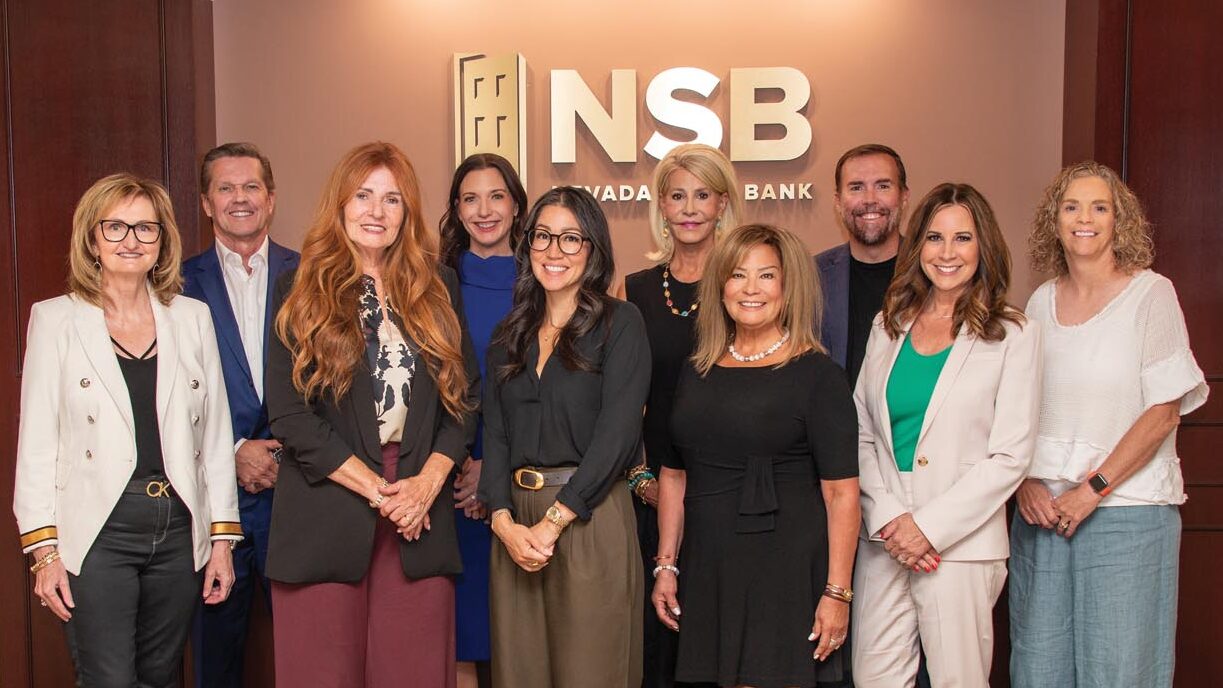
In September 2026, Martino joined other marketing executives for a roundtable discussion. She addressed the effort required to keep producing authentic content and the need to explain that effort to clients discussing budgets. She also argued for establishing the branding foundation before using AI to accelerate subsequent work. Her position gave the tools a place in the process, after the team and client had developed the substance.
On maintaining a dispersed team, she offered a smaller, more personal detail. People had moved to other cities and states, but the company could keep working with them. She had introduced virtual happy hours.
“Now I hold virtual happy hour.”Virginia Martino · September 2026
“They are on the screen, but you can still have those team-building moments,” she said. The remark sits comfortably beside the gallery evening from two decades earlier. The rooms are different, and so is the occasion, but someone still has to make the gathering happen. Sending a meeting link is easy. Making people feel included in the meeting takes a little more intention.
Outside work, Martino’s interests include golf, travel, biking and hiking, along with baseball and following the Vegas Golden Knights and Las Vegas Raiders. Food, wine and the arts remain shared interests with Mark. These details give the long business chronology some ordinary texture. A founder’s calendar can contain a campaign, a dinner and a game without each needing to become a lesson in leadership.
Still, there is a recognizable pattern in the work. Martino has repeatedly created settings where an idea can meet an audience: a design studio, a magazine, an agency, an exhibition, a fundraising event. Starting over in 2000 changed the shape of the business. The years since have supplied more places to use the same accumulated experience. Her career makes its case through those places and the people brought into them, one invitation at a time.
Follow the next chapter
Explore BRAND’s website and Virginia’s LinkedIn profile, including her published articles.