Thirty minutes is an awkward amount of time to spend creating a work order. Long enough to interrupt a conversation. Short enough to become routine. In one environmental-services case described by Vertex Computer Systems, that was the starting point: aging software, inconsistent records, unsupported infrastructure, and an everyday transaction that consumed half an hour.
Vertex rebuilt the application, upgraded the database and server environment, and moved it to Microsoft Azure. The company reports that order creation fell to under five minutes. The useful detail is the unit of measurement. Anyone can promise transformation. A person waiting to finish an order can understand twenty-five minutes.
- Connects Microsoft, Salesforce, and the business processes between them.
- Sells implementation, custom software, analytics, support, and technical staffing.
- Builds specialized products for retail data, credit reviews, shelf audits, and economic incentives.
01 / The business between the boxes
Vertex occupies a familiar but easily overlooked part of enterprise technology. Companies buy software platforms, then discover that the sales team, finance department, warehouse, and customer database have different ideas about the same transaction. Someone must translate. Sometimes that someone is an employee with several spreadsheets open.
Vertex turns that translation into paid work. Its Microsoft practice covers Azure, SharePoint, Microsoft 365, and Power Platform. Its Salesforce work includes implementation, customization, and integration. Data engineering and analytics supply the reporting layer; custom development handles requirements that resist configuration. Contract staffing gives customers another option: add people to an existing team.
The buyers are organizations with operational complexity: manufacturers, consumer-goods suppliers, insurers, banks, environmental-services businesses, and public agencies. Vertex publicly identifies relationships with Novelis and Wind River Environmental. Its client-logo collection also includes Cincinnati Financial, Coty, and Duracell. The common thread is coordination across departments and systems.
02 / A business that changed its own model
There is a reason the company sounds comfortable with reinvention. Founded in 1989 by Ganesh and Sharda Iyer, Vertex began in product development. The dot-com downturn pushed it toward IT services in late 2001. In a 2007 Smart Business interview, Ganesh described entering an established market where scale offered little advantage.
“We could not differentiate ourselves by size, so we would differentiate by service.”
Ganesh Iyer · Smart Business · 2007
Today, Vertex combines services with a product portfolio again. Its position rests on knowing particular workflows and working across Microsoft and Salesforce. Buyers can choose other implementation consultancies, larger systems integrators, or their own developers. Vertex’s case for being chosen is the combination of platform expertise and attention to the task someone actually needs to finish.
03 / The spreadsheet has a successor
Consider an aluminum manufacturer planning fourteen years ahead. Vertex’s case study describes forecasting, account planning, and executive reporting spread across spreadsheets. Its response combined Salesforce Sales Cloud, ERP integration through MuleSoft, and Power BI analytics. Forecasts could sit beside actual performance, while quoting and reporting shared a platform.
The project also included a Salesforce Center of Excellence for governance, training, and adoption. That detail matters. A forecast depends on people entering comparable information and understanding who maintains it. Connecting the databases addresses only part of the coordination problem.
The product range reveals similar interests. bSync centralizes product details, prices, promotions, and compliance information exchanged between suppliers and big-box retailers. A mismatch can become a rejected order or a payment dispute. Vertex reports that one global supplier reduced order rejections by 70 percent in its first year using bSync.
Catch exceptions before they become shipment problems.
bSure tackles customer credit reviews. bSavvy uses a mobile app, shelf photographs, and an AI engine to check whether displays match planograms. EIM, its Economic Incentives Management application, organizes applications, contracts, payments, and compliance. Each addresses an identifiable desk piled with work.
In another manufacturing case, the starting problem was unreliable data movement. Vertex describes replacing aging SQL reporting infrastructure with a Microsoft Fabric lakehouse, automated ingestion, and governed Power BI models. The intended result was more dependable reporting and less maintenance. Before a business asks an AI model a clever question, somebody has to make sure the underlying records arrive intact.
04 / The old system had defenders
The most revealing complication appears in Vertex’s account of Wind River Environmental. The client’s application was more than twenty years old. Text fields produced inconsistent job information; duplicate accounts complicated customer lookups. Vertex describes replacing free-form entries with dropdowns and introducing a guided wizard for quotes and orders.
Yet the sales team initially resisted the replacement. Familiarity had value. Vertex says close collaboration and additional training helped the team adapt, with satisfaction reaching nine out of ten. It reported a 50 percent reduction in work-order creation time for that project and a client CEO Award in August 2024. Those figures belong to this named account, separately from the anonymous five-minute example.
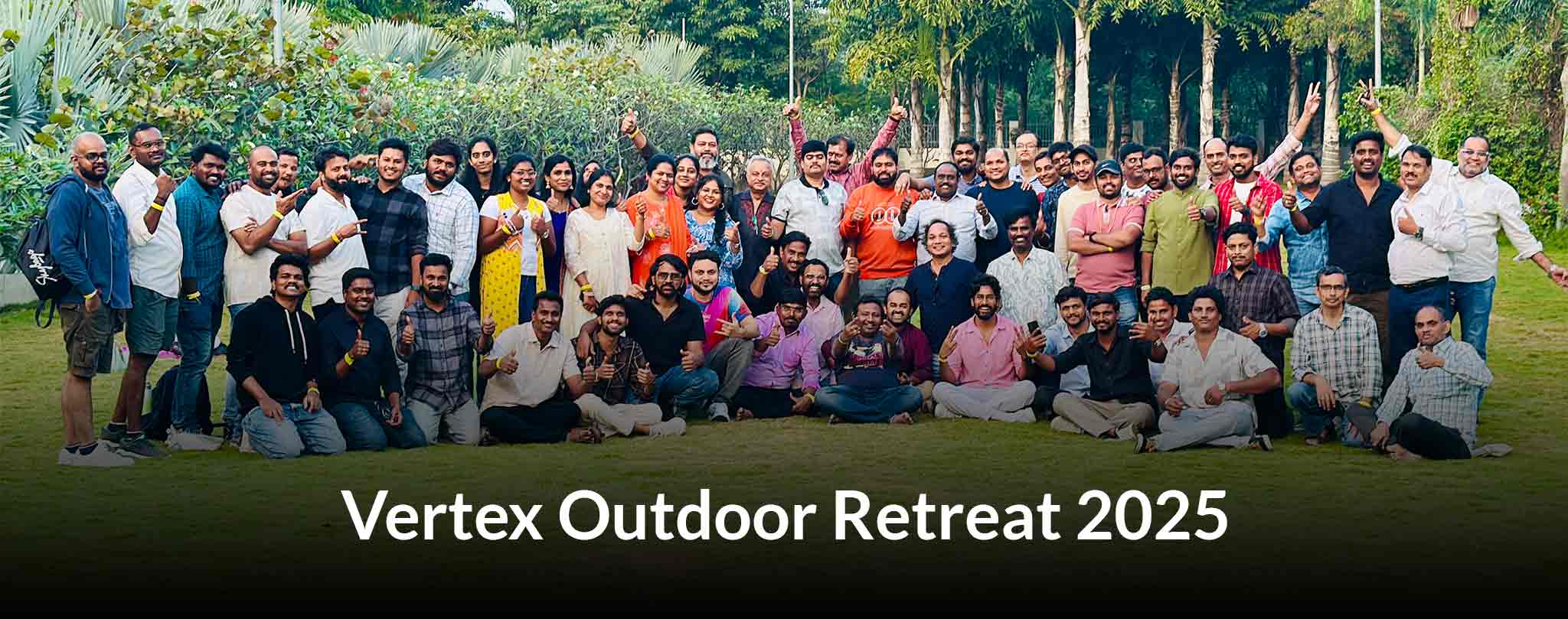
That emphasis on people also appears in the company’s own workplace descriptions. Vertex lists continuous learning and trust alongside flexibility, and it published employee longevity recognition in February 2026. These are the firm’s statements about itself. They do, however, fit a services business that asks clients to rely on a team across successive projects.
05 / Put a price on a defined job
A concrete commercial example comes from Cuyahoga County. In March 2025, its Board of Control approved five-year staff-augmentation master contracts with several vendors. Vertex’s listed anticipated amount was $64,000. That figure describes a specific procurement allocation; it cannot price a cloud migration or establish what the county ultimately spent.
For a buyer, the practical lesson is to define the work before comparing proposals. An implementation, a software product, and a contractor solve different purchasing problems. Vertex’s breadth is useful when a customer needs several of them to work together.
The cases suggest a portable starting point: pick one recurring delay, measure it, and trace every handoff. Better software depends on usable data, clear ownership, and people willing to change a routine. A new dashboard cannot supply those conditions by itself. Start with the half-hour task. Give its owner a better Tuesday.