Lunch has an awkward habit of arriving in the middle of the working day. For Varun Saraf, that small inconvenience became a business problem: how could someone in Singapore's Central Business District get an affordable hawker meal without spending the break in a queue? The food was already there. So were the customers. Between them lay a surprisingly expensive journey.
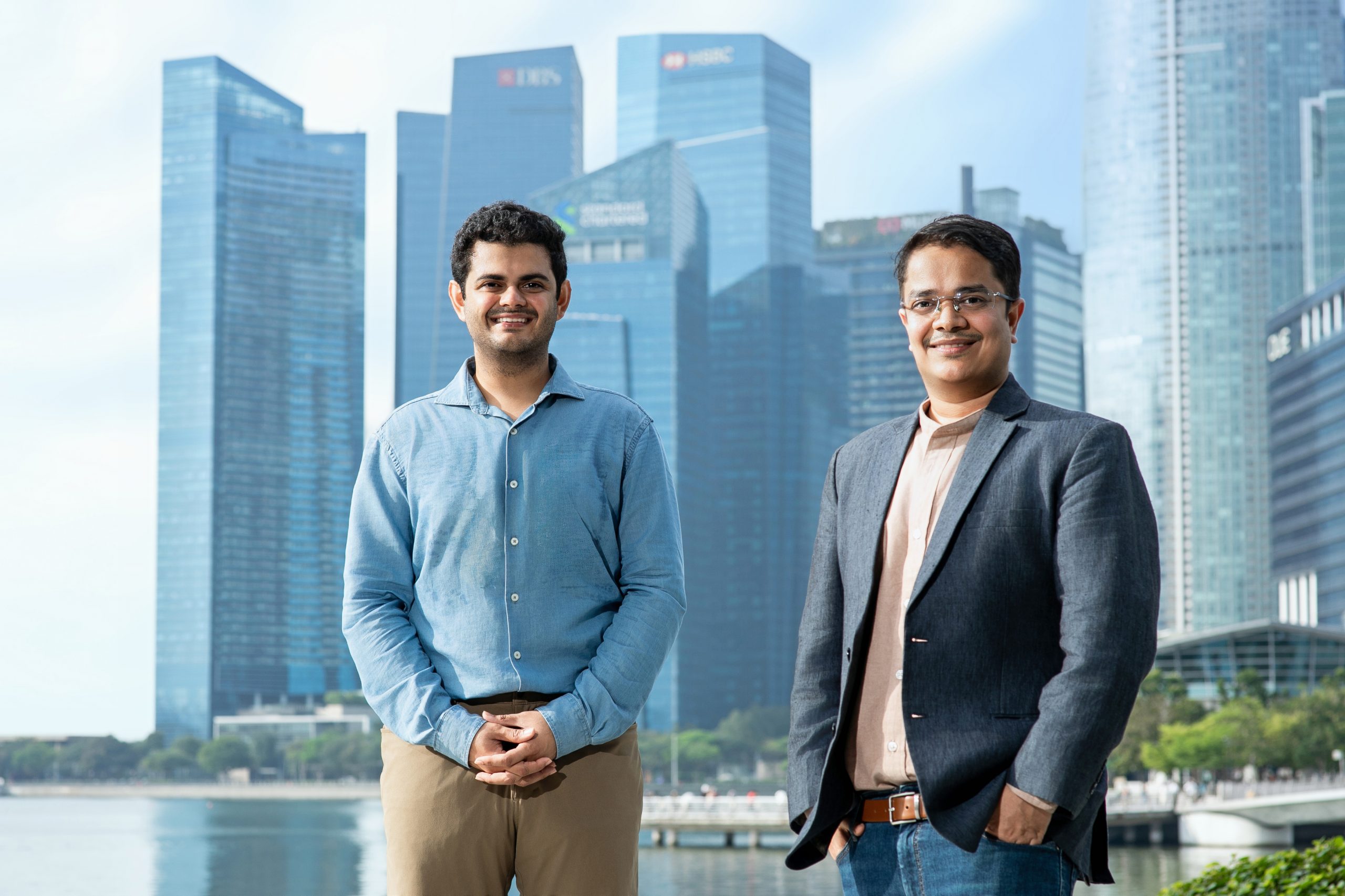
Saraf co-founded WhyQ with Rishabh Singhvi in 2016. They began with a promise that could fit on a lunch receipt: hawker food delivered for a flat S$1.50 fee, with no minimum order. Years later, the company would concentrate on corporate dining. The destination looked familiar. The customer paying for the journey had changed.
That makes Saraf's story unusually circular. He started by trying to make office lunch easier, spent years extending the business in other directions, and eventually returned to the office with a different commercial arrangement. A company could order meals for its employees. Many lunches could travel together. The arithmetic finally had somewhere to sit.
The partnership preceded the product. Saraf and Singhvi met as freshmen at Singapore Management University in 2008; they were also course mates and roommates. Saraf studied there until 2012. His early career included Credit Suisse and Synpulse Management Consulting. Banking and consulting supplied both employment and a daily encounter with the problem he would try to solve.
In a later account of their university years, Saraf described two students exchanging business ideas before they knew which industry would claim them. They took entrepreneurship classes and worked on group projects together. Both came from entrepreneurial families in India, and encouragement from home made starting a company feel possible. The particular idea still needed to earn its place.
Twenty-five minutes, before the grand plan
One early piece of evidence was wonderfully modest. During WhyQ's participation in JFDI Discover, the team tested the service in Changi and then in the CBD. In February 2016, Saraf described pilot data suggesting an average customer saved 25 minutes and would use the service twice a week. These were early observations, but they gave the lunch problem a measurable size.
His advice at that stage concerned customer interviews: ask about the problem and the proposed solution before launching. He also described reading Peter Thiel's Zero to One with the team and attending startup events to exchange ideas. Here was a founder preparing to build something new while spending considerable time asking people about something as old as lunch.
The two founders put S$100,000 of their savings into the venture. They had registered the company and developed a prototype while still employed. That sequence matters. The move from salary to startup was prepared through practical steps, each reducing an uncertainty without pretending to remove the risk. Their first S$150,000 angel round arrived in January 2017; the public app launched the following month.
Their approach to disagreement was similarly concrete. If they differed over the delivery charge, pilot customers could help settle it. Former colleagues were among those early users. A pricing argument between friends became a survey. There is something pleasingly unromantic about that: the founding partnership did not have to manufacture agreement when customers could supply evidence.
The average time saved per customer in WhyQ’s early CBD test, as reported by Saraf.
“Both of us were working on everything together.”Varun Saraf, recalling the early partnership, 2021
A delivery route with a dress code of yellow
By March 2017, the working operation had a very physical shape. A 20-person delivery team sorted food packs along Cecil Street, then made its way largely on foot to office buildings. Nearby hawker centres supplied the meals. Busy buildings received several runs during the lunch period. An app took the order; people still had to carry the lunch.
Distance was part of the price. Keeping orders close to the hawker centres helped make the S$1.50 delivery fee possible. The service's boundaries were visible in its routes, timings and collection points. Convenience depended on constraints. A customer could escape the queue because WhyQ organised the waiting, sorting and walking on the customer's behalf.
Early growth was tangible. By June 2017, WhyQ reported 5,000 registered customers and about 400 daily orders. Its office destinations included banks, law firms and consultancies. Those figures belong to that moment, when the business was establishing a routine around people whose calendars had little patience for an unpredictable lunch break.
Working with hawkers also exposed a limitation that software could not translate away. The founders did not speak Mandarin or the dialects used by some stallholders. They helped with deliveries themselves in the early days, then used hawker captains to communicate and coordinate. The relationship at the stall counter was part of the product, whether or not it appeared on the screen.
Saraf's own taste supplied a less technical connection. Asked in 2021 for his favourite hawker dish, he chose chicken rice at Maxwell Food Centre. The answer is small enough to be credible and specific enough to remember. A business plan may require a market segment. Lunch usually requires knowing what you want to eat.
The stallholder on the other side of the screen
In September 2021, Saraf publicly described a hawker-first model with zero commissions, zero onboarding fees and daily payments. At that time, he said WhyQ had relationships with more than 2,500 hawkers across over 70 centres. These were dated commitments and counts, rather than a description of every service the company would offer forever.
They reveal what he wanted the platform to do for the seller. Affordable delivery could bring orders to a small food business without asking it to become a different sort of enterprise. A stallholder's task was already demanding. Digital access had to fit around that task, with a payment arrangement and an operational process the merchant could understand.
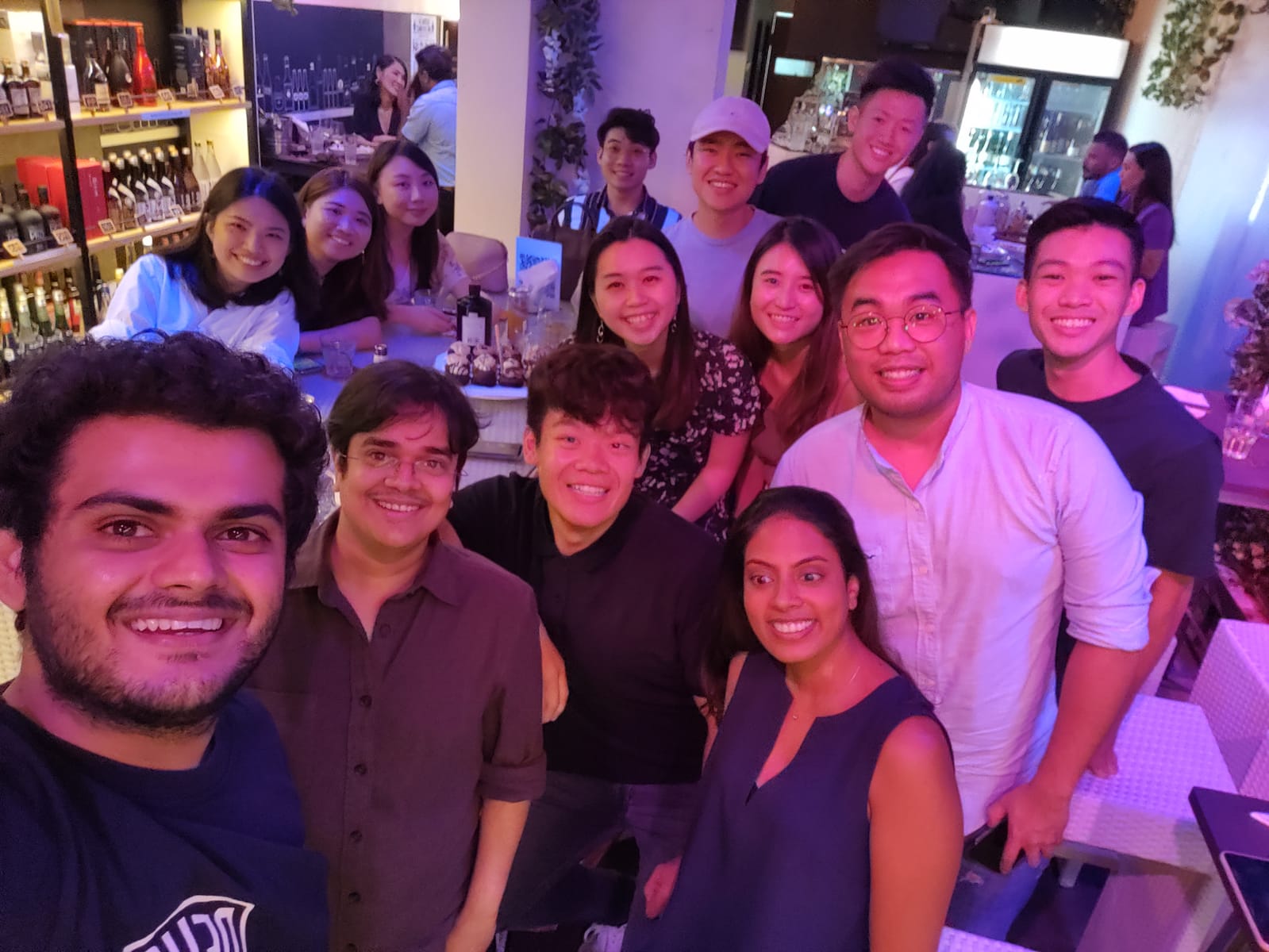
The organisation behind those transactions stretched beyond Singapore. In 2021, Singhvi described a Jaipur team of 15 developers and 20 customer-success staff. Weekly calls let the overseas team hear directly from the founders. Saraf also appeared on a DBS discussion about digital payments with representatives of Fave and Gojek. The lunch business had become part of a wider conversation about small merchants and technology.
When the orders came apart
WhyQ had already expanded residential service before 2020. Office closures that year made home deliveries much more central to its operations. That distinction is useful: the change involved emphasis and volume, rather than the sudden invention of an entirely new destination. Delivering meals to scattered homes placed different demands on the system built around nearby offices.
The consumer operation also drew complaints. In May 2025, reporting documented delivery delays and refund disputes, including two complaints that the Consumers Association of Singapore said it received in 2021. Saraf attributed residential delivery difficulties to reliance on third-party couriers. He said payment delays concerned riders and part-time hawker captains while their completed jobs were being reconciled, and said full-time staff were paid on time.
Those answers form part of the account; they do not erase the complaints. A delivery promise is experienced one meal at a time. For the customer whose order fails to arrive, an explanation about the company's operating model offers little comfort. Saraf's eventual corporate focus has to be understood against this less flattering chapter too.
The difficulty was embedded in the route. Individual meals travelling to individual homes required more separate delivery work. Bringing several orders together at the start could lose its advantage when the destinations pulled them apart. A growing order book could therefore make the business harder to sustain. Demand answered one question; the cost of serving it asked another.
The office returns to the equation
In 2023, WhyQ began shifting resources towards corporate customers. By 2024, the business had fully moved to a B2B focus. Employers ordering for groups gave aggregation a firmer foundation. Shared destinations and scheduled meals let the delivery operation plan around a concentration of demand, rather than chase a succession of unrelated addresses.
In May 2025, Saraf announced that WhyQ had become profitable. He described corporate revenue increasing fivefold year over year and 100% retention among mid-to-large corporate clients. Those were his reported results, with a defined customer group. He called the move towards corporate deliveries one of the hardest decisions the founders had made.
The announcement also named the people who had helped deliver it. Saraf thanked colleagues, small food-business partners and corporate customers. In a company whose output arrives in bags, reliability is distributed across many hands. The CEO can choose a direction. Someone must still confirm the order, prepare the food, resolve the exception and reach the office.
By March 2026, WhyQ reported more than 500 merchant partners and over 2,500 meals delivered daily to corporate clients. Its founders said the company was net profitable for calendar 2025. In May, Saraf described the corporate shift as the right move. The pattern had changed from persuading scattered consumers to order to serving organisations with recurring requirements.
- 2016Hawker meals for individual office workers
- 2023Resources shift towards corporate customers
- 2024Corporate dining becomes the focus
- 2025Saraf announces profitability
A second helping of ambition
The present service includes daily office meals, catering, pantry management and food experiences. That gives Saraf several ways to deepen an existing corporate relationship. The same workplace may need an ordinary Tuesday lunch and an event on Friday. Each adds its own operational demands, but both begin with a customer the company already knows.
In February 2026, discussing the pressures on Singapore's delivery market, Saraf put the commercial requirement plainly: “Profitability is no longer optional.” It is a concise sentence from someone whose company spent years discovering how much a delivery promise could cost. Its force comes from the operating history behind it.
His earlier regional ambitions were wider. In 2021, he envisaged supporting small businesses across five or six Southeast Asian countries within five years. The more recent corporate business offers a narrower, more defined place to build. Its future will depend on the same mundane questions that shaped the pilot: who needs the service, how often, and what it costs to provide it.
There is still a founder's curiosity in Saraf's trajectory, from customer interviews to digital payments and workplace dining. There is also the evidence of revision. The first idea gave the company its name. Subsequent choices determined whether that name could remain on the lunch bag. For a business called WhyQ, the useful question has become where the meals should go together.
Continue the conversation
Explore WhyQ, follow Saraf’s professional updates, or watch his digital-payments panel.