Consider the few seconds after an injection. The clinical task is finished. The needle, however, has acquired a second job: becoming somebody else’s responsibility without injuring them. It needs a suitable container, a destination and a record of the journey. Multiply that small handoff across a healthcare facility and you begin to see the business Trilogy MedWaste is in. The truck arrives late in the story.
- Trilogy handles medical waste, sharps, pharmaceuticals and confidential documents.
- Its customers range from individual practices to hospital systems.
- Containers, staff training and software extend the service beyond collection.
01 The expensive part can start at the bin
Trilogy’s service menu is a small lesson in how much the word “waste” conceals. Blood-contaminated materials, sharps, pathological waste, trace chemotherapy waste and discarded medicines have different handling requirements. A hospital cannot sensibly treat them as one undifferentiated pile. Even the category “pharmaceutical” leaves another question: which kind?
The company offers waste-stream evaluations and customized schedules. Its medical-waste guidance describes color-coded containers and labels that help staff separate materials. The commercial logic is straightforward: putting something into a more demanding disposal stream than necessary can add cost. Putting it into an inappropriate stream introduces a different set of problems. Good sorting has value in both directions.
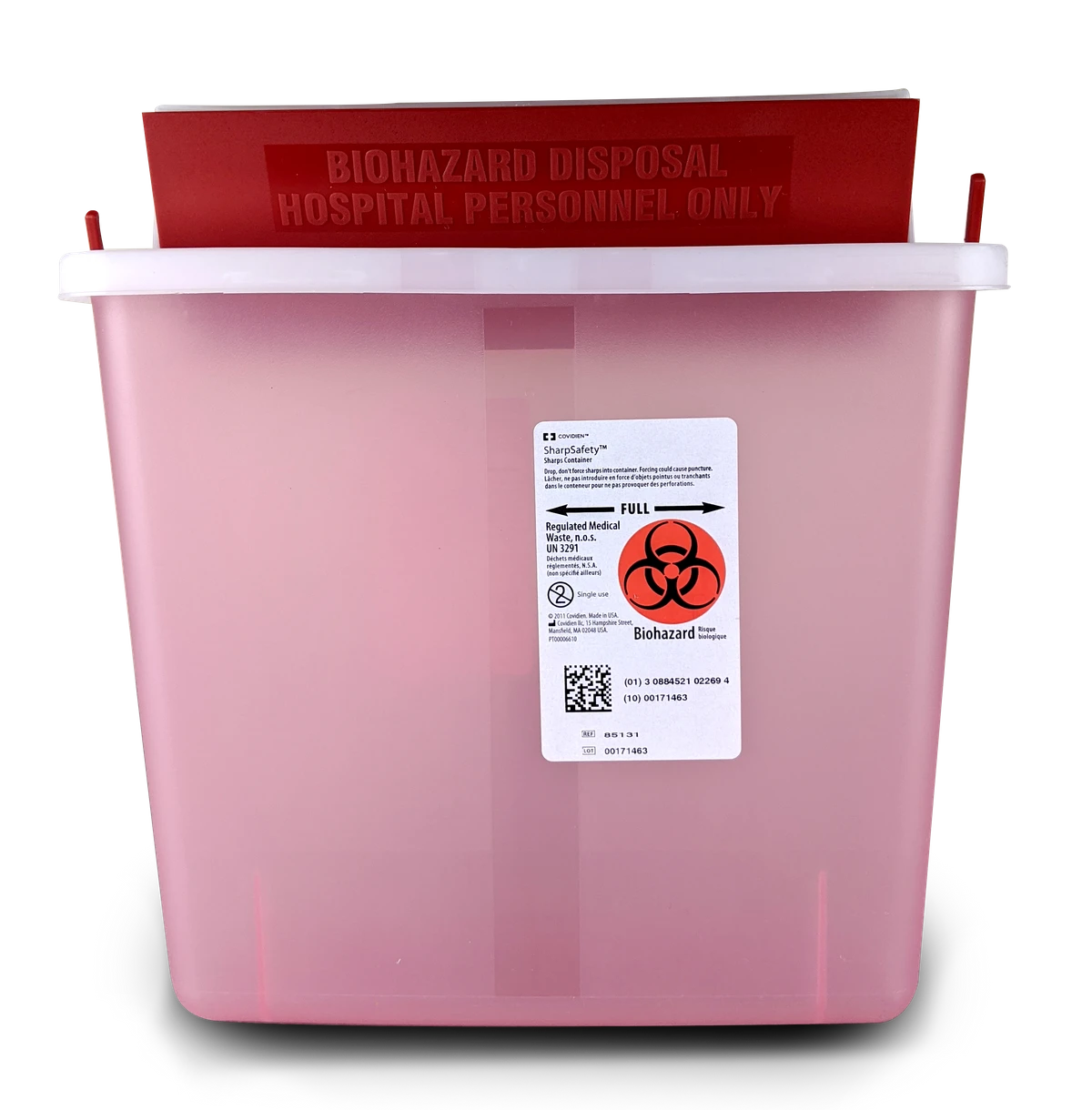
This is also why local knowledge matters. Trilogy notes that state definitions and disposal requirements vary. A national purchasing decision still has to become a workable routine inside a particular clinic, with its particular people, storage space and waste. The neatness of the contract is only the beginning.
02 A software product hiding among the containers
Then comes the unexpected item on the menu: BirdsEye, Trilogy’s proprietary formulary software. The company markets it for pharmaceutical waste identification and formulary management, including support around EPA requirements and USP 800. Beside the familiar language of trucks and containers sits a database problem.
That combination explains Trilogy’s broader pitch. The same customer relationship can include regulated medical waste, reusable sharps, hazardous and pharmaceutical waste, secure shredding and employee training. A practice manager can buy several related services without constructing a separate administrative process for each supplier. The appeal is especially clear when the person buying disposal also has a waiting room to think about.
- 01IdentifyWhat waste is it?
- 02ContainWhich container?
- 03MovePickup or mail-back?
- 04DocumentKeep the records.
Service pathway illustration. Treatment depends on the waste stream.
Trilogy’s customer portal adds schedules, pickup requests, digital manifests and billing. Those features are unglamorous. They are also the things an administrator needs when a collection is due or a record must be retrieved. Convenience here means being able to answer an ordinary question without beginning a small investigation.
There is a second customer benefit in that arrangement: continuity between an instruction and what happens next. Training explains the procedure; a container makes the procedure physical; collection carries it onward. A facility evaluating the bundle should ask whether those pieces actually agree. Otherwise, the convenience of one supplier can conceal several disconnected workflows.
03 The route is part of the product
Founded in 2017, Trilogy grew into a national provider backed by KKR. A publicly reported financing that December brought in approximately $10.325 million. Its market includes small clinics, regional hospitals and larger healthcare organizations. The proposition combines local service with the resources of a broader network.
National scale creates its own work. Integration and sales attracted scrutiny; Trilogy disputed the reporting’s framing. In July 2024, the company appointed Art Wake chief executive, succeeding interim CEO Dave Owen. Wake had previously led Aramark Uniform Services. The connection is practical: a business built around repeated visits depends on distribution, fleet operations and reliable service.

Trilogy describes using routing software and collecting multiple regulated waste streams during one stop. It also says reusable containers require investment in washing and handling equipment. Reuse, in other words, needs a return system. The container is the visible object; the repeatable process makes the proposition useful.
“We serve communities, not just zip codes.”Trilogy MedWaste’s description of its local service model
The same distinction applies to environmental claims. Trilogy describes autoclaves as its main method for rendering regulated medical waste non-infectious, followed by disposal. It discusses waste-to-energy where available and promotes reusable containers where permitted. Those are different pathways with different limits. A buyer needs to know which one applies to the material leaving its own building.
04 Three price tags, three different purchases
For a small generator, the economics can be concrete. Trilogy’s one-quart sharps mail-back kit is listed at $44.50, including the container, prepaid UPS return shipment and disposal. The buyer purchases the outward and return journeys together. That is a different arrangement from booking a recurring collection route.
Public listings checked October 26, 2026. Separate offers; service quotes and applicable terms vary.
Recurring collection needs a separate quote. Container volume, waste categories and service frequency make a single headline rate a poor substitute for a facility-specific proposal. The useful comparison is the complete job: what is supplied, what is collected, what is documented and what the staff must still do.
The online compliance program advertises subscriptions starting at $39 a month, with unlimited employee training, 14 courses and tools for tracking progress and certificates. A separate DOT HazMat course is advertised at $99. These prices reveal several ways into the business, rather than a universal monthly bill for waste disposal.
05 What the buyer can take away
Trilogy competes in a market that includes regional operators and large providers. Stericycle became part of WM in November 2024. Against that backdrop, Trilogy emphasizes bundled services, direct operations and tailored programs. Those are useful criteria for a buyer to test through a local service proposal.
Start with an inventory of waste streams. Match containers to the actual work. Compare pickup frequency, included training, documentation and the process for requesting changes. A mail-back kit suits a different workflow from a hospital’s reusable sharps program. Geography, accepted materials and available storage all affect the fit.
Staff participation is another condition. The best collection schedule cannot repair a sorting decision after the fact. Labels have to be understood, records have to be accessible, and employees need a way to ask about unfamiliar material. Treating those details as part of purchasing gives the service a better chance of working on a busy Tuesday.
The lesson travels beyond medical waste: design the handoff around the person who must perform it. A national network can provide capacity. A portal can provide records. But the system begins with someone standing beside a container, deciding what goes where. Trilogy’s opportunity lives in making that decision easier, then keeping the rest of the journey dependable.