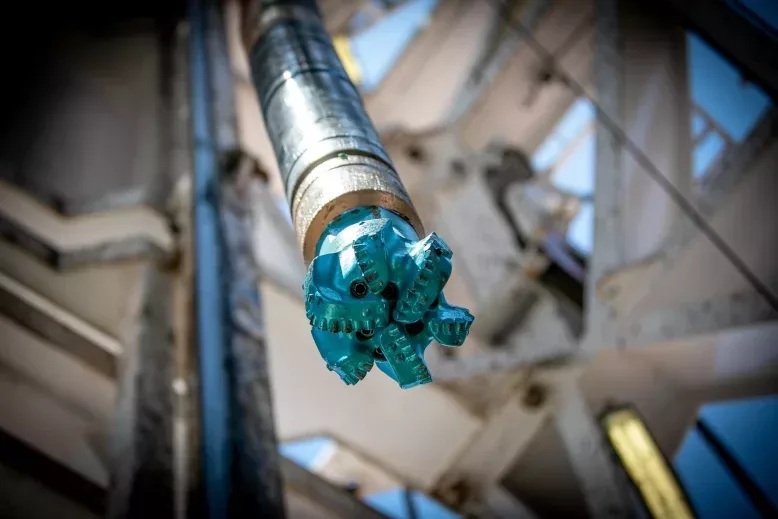
A drill bit is a small object with an enormous entourage. Above it sit lengths of pipe, a drilling rig, engines, control systems and people waiting for rock to yield. A problem at the cutting face can occupy the entire operation. Patterson-UTI's proposition begins with that imbalance: when so much depends on each component, somebody ought to understand how the components work together.
- The job: drill the well, steer it, then help complete it.
- The bet: connect equipment, specialists and live data to reduce delays.
- The catch: efficient machines still depend on customers' drilling budgets.
The Houston company supplies oil and gas producers with the machinery and expertise behind a well. Its businesses include Patterson-UTI Drilling, NexTier, Ulterra, MS Directional, Superior QC and Current Power. The names sound like separate companies because they were assembled into a portfolio. The interesting question is whether their combined knowledge can make a complicated job behave more predictably.
A well has a handoff problem
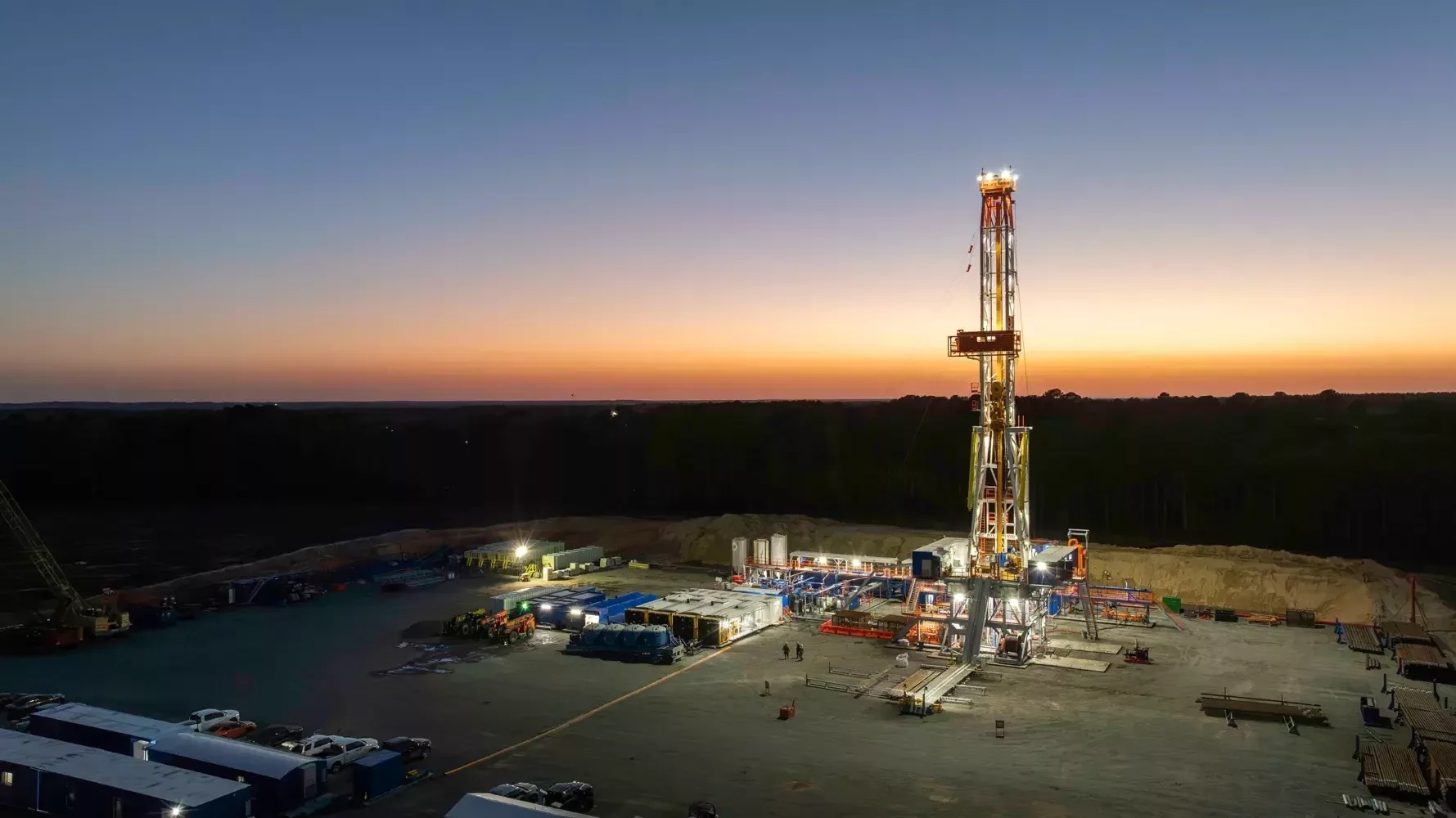
Consider the sequence. A producer decides where to drill. A contractor supplies the rig and crew. Directional specialists help guide the hole through the intended rock. A bit must suit the formation. Later, completion crews fracture the reservoir, while wireline, sand deliveries and fuel supplies follow their own schedules. These activities have different specialists, but their delays meet on the same customer's calendar.
Patterson-UTI spans much of that sequence. APEX rigs handle contract drilling. MS Directional provides planning, motors, measurement while drilling and remote operations. Superior QC checks survey data and wellbore positioning. Ulterra designs and manufactures polycrystalline diamond compact drill bits. NexTier supplies fracturing, wireline and supporting logistics. Current Power adds electrical controls and energy management. The organizing idea is fewer awkward conversations between equipment and teams.
Survey guidance
Directional tools
Fuel + logistics
POWER + OPERATIONAL DATA ACROSS THE JOB
The expensive education
The company traces its drilling roots to West Texas in 1978. Founders Glenn Patterson and Cloyce Talbott started with a rig assembled from used parts. By early 1986, they had 13 rigs and $11 million in debt. Then the oil bust forced asset sales and a long struggle with creditors. Talbott later credited survival to “the grace of God and our bankers.”
Patterson went public in 1993. Its 2001 merger with UTI gave the present company its name. Acquisitions became a way to change what it could offer, with a particularly consequential pair arriving in 2023: Ulterra in August and NexTier in September.
The Ulterra announcement specified $370 million in cash plus 34.9 million Patterson-UTI shares. The NexTier combination was an all-stock merger, announced with a combined enterprise value of approximately $5.4 billion. Management initially targeted about $200 million in annual savings and operational synergies, with roughly $80 million in one-time costs to achieve them. Those were transaction expectations, not a promise that every well would become cheaper.
“The grace of God and our bankers.”Cloyce Talbott, recalling the oil bust
Software that gets its hands dirty
The automation is unusually physical. CORTEX Oscillator controls the top drive's rotation and rocking to reduce static friction and help transfer weight to the bit. CORTEX Connect automates the sequence involved in making drilling connections. CORTEX Downlink sends commands to downhole tools through controlled changes in rotation or flow. Each tackles a repeated action where inconsistency can accumulate.
REX, the Rules Engine Exchange, lets teams configure alerts around equipment, drilling dysfunction, stuck-pipe prevention and procedural compliance. The PTEN Digital Performance Center combines live information with specialist support, including round-the-clock coverage capabilities. The appeal is practical: notice a developing issue early enough that somebody can act on it.
The customer buys time
Customers are exploration and production companies, from independent operators to larger producers. They purchase drilling capacity, completion execution and specialized products. Contract drilling generally earns a daily rate for the rig and crew; some agreements add performance incentives. Completion work and drill-bit sales or rentals create additional revenue streams. The equipment requires maintenance, skilled crews and capital, so utilization matters.
Land-drilling alternatives include Helmerich & Payne, Nabors and Precision Drilling. Patterson-UTI's particular pitch combines that rig business with a substantial completions operation and its own bit manufacturer. Buyers can still choose separate vendors. Integration earns its place only when coordination, technical performance and accountability justify the choice.
Share of reported annual revenue. Figures rounded.
A better rig cannot repair a budget
The financial record supplies a useful limit. Revenue fell from $5.38 billion in 2024 to $4.83 billion in 2025. That year's filing also described higher bit-repair costs, followed by tighter quality controls and improvements late in the year. Technology still needs ordinary operating discipline.
By July 2026, management reported rising activity and second-quarter revenue of about $1.23 billion, up 10% sequentially. Yet the quarter also included a roughly $21 million non-cash charge connected with exiting contract drilling in Colombia. Expansion has a reverse gear.
Andy Hendricks had earlier explained a change in his outlook: customers needed confidence in future oil prices, and firmer year-end futures increased the possibility of more activity. That distinction matters. Today's price spike cannot settle the economics of a well that takes months to deliver.
Two rigs, one useful lesson
In January 2026, Patterson-UTI agreed to lease two existing APEX 1500 rigs to Archer for Argentina's Vaca Muerta formation, supporting Archer's work for YPF. Archer would pay preparation, upgrade and mobilization costs. It is a concrete example of pursuing a new market while assigning expensive responsibilities explicitly.
There is something here other businesses can copy: connect the information around a bottleneck, make repeated work consistent, and agree who funds the transition. But the conditions matter. Wellsite automation needs compatible equipment and trained operators. Alternative power needs suitable supply. A coordinated fleet needs enough paying work. Patterson-UTI's experiment ultimately rests on making those dependencies visible before they become somebody else's delay.