Work travel rarely fails in the glamorous places. The flight gets booked. The hotel has a bed. The trouble breeds in the margins: an approval hiding in somebody’s inbox, a receipt fading in a coat pocket, a fare that cannot be changed, a finance team trying to explain why three systems disagree. TravelPerk built its reputation by pulling those pieces into a browser window that ordinary employees could use. In November 2025 it shortened its name to Perk, absorbed spend-management ideas from Yokoy, and made a larger claim on the working day.
The useful question is not whether Perk can book a flight. So can an airline website. The question is whether your company has enough recurring travel, rules and reconciliation pain to justify putting a platform between the traveler and the ticket. For a distributed 250-person company with frequent off-sites, several legal entities and a finance lead who knows everyone’s preferred train by heart, the answer may be yes. For a ten-person studio that takes six trips a year, the booking fees can buy a lot of patient spreadsheet work.
Aug 2026
for travel
Series E
Who should actually care?
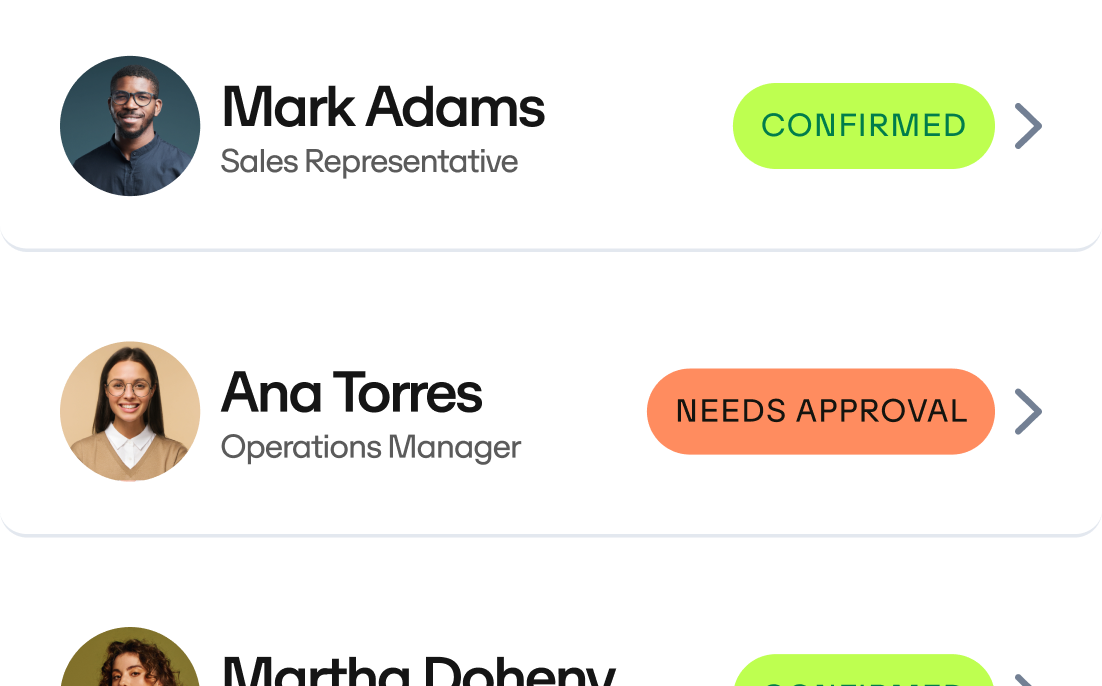
Perk makes the most sense for businesses whose travel is frequent enough to become an operating system. Think consultants moving between clients, sales teams crossing regions, construction crews reaching job sites, and remote companies assembling people in one city. Travelers get self-service search and an itinerary in the mobile app. Managers get policy, approvals and a live view of who is where. Finance gets cost fields, reporting and, on the spend plans, receipt capture, cards and reconciliation.
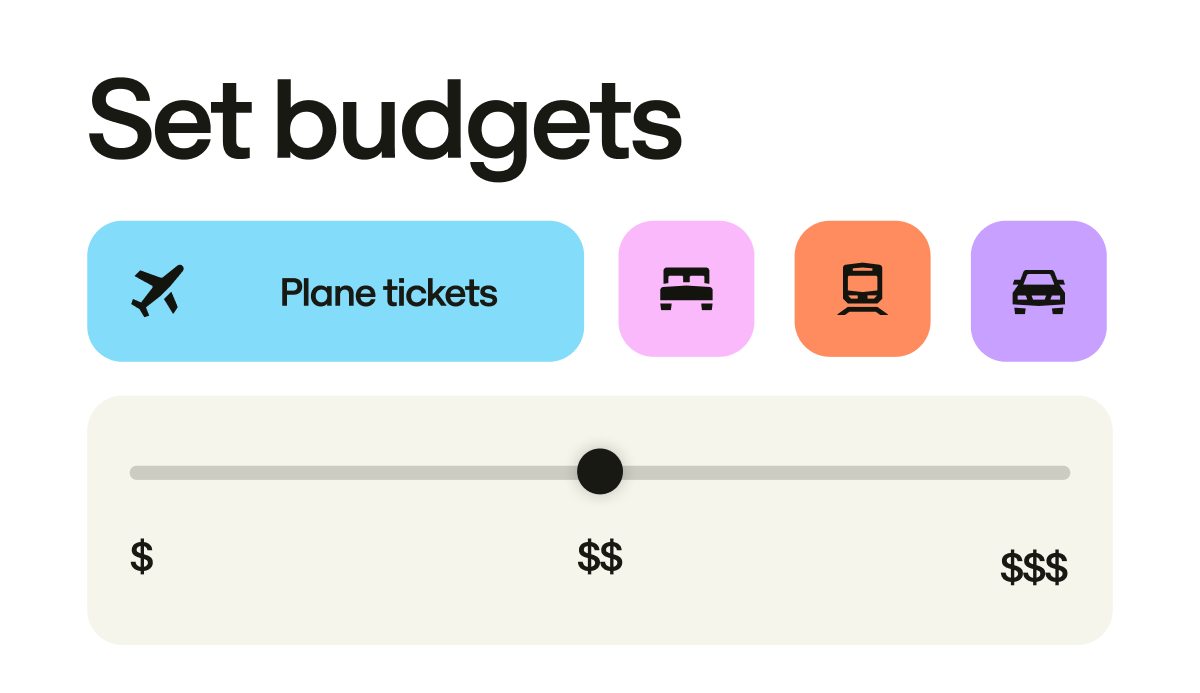
That three-sided bargain is the point. Travelers dislike clumsy corporate portals. Finance teams dislike surprise upgrades. Travel managers dislike becoming a human search engine at 10 p.m. Perk tries to make the approved choice the easy choice. It can remember loyalty details, surface in-policy inventory and route exceptions to the right approver. The admin work does not vanish; much of it moves into rules set before the trip.
“It saves time, while making sure you can control the budget and give people freedom.”Michal Zadrobilek, expenses manager at Storyblok, in a Perk customer story
The trip, from search box to shoebox receipt
A traveler can book flights, trains, accommodation and rental cars on the web or phone. The booking sits inside a company profile with its own policy and approval logic. Mobile users receive flight status and gate updates, keep travel documents together and can request changes. Perk advertises round-the-clock customer care, with senior support access on paid travel tiers.
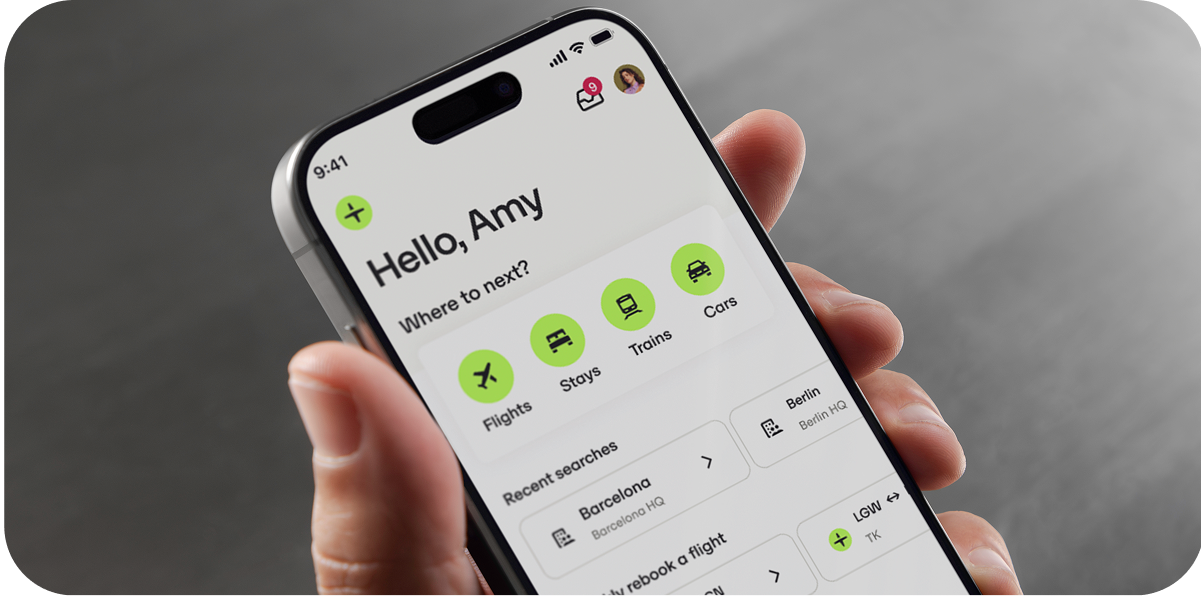
FlexiTravel is the memorable extra. Add it to an eligible booking and a late cancellation can return 80% of the trip cost under the product’s terms. That can be valuable when client meetings migrate or off-site headcounts wobble. It also needs arithmetic: the add-on is a hedge, not a magic refund button, so compare its cost with the change patterns your company actually has.
Rules and approval paths sit in the booking flow, where an employee can act on them.
Itineraries, alerts, documents and support stay attached to the trip on web and mobile.
Eligible teams can capture receipts, match transactions, issue cards and feed accounts.
Venue search, invitations, RSVPs, rooms and group travel can live in the same system.
Finance finally gets a window seat
The shift from TravelPerk to Perk matters because the product now follows money beyond the fare. Its European spend tools include expenses, invoice processing, approval workflows, per diems, Visa debit cards, ERP connectors and transaction matching. Availability differs by market. The company’s pricing page currently flags a September rollout for its combined travel-and-spend offer in the United States, so a buyer should confirm what is live in their entity rather than assuming every screenshot applies everywhere.
Pro plans add custom workflows, more entities and broader ERP connections. The Perk card advertises plan-dependent cashback and no extra fee for physical or virtual cards, foreign transactions or FX. Those details can be attractive, but cards create switching cost. Ask how existing card feeds behave, where funds are held, which currencies are supported, and what happens to a transaction when a receipt arrives late.
The price is simple until it isn’t
North American travel pricing is unusually visible for business software. Starter carries no monthly platform fee and charges 5% per booking. Premium costs $99 a month plus 3% per booking; Pro is $299 a month plus 3%. Fees have minimum and maximum thresholds. The combined Travel + Spend offer starts at $11 per active user each month for Premium and $13 for Pro. Spend alone starts at $13 and $15 respectively. Add-ons such as FlexiTravel, insurance, carbon offsetting and some service options can move the total.
| Plan | Base price | Booking fee | Useful when |
|---|---|---|---|
| Starter | $0 / month | 5% | Travel is occasional and one policy is enough |
| Premium | $99 / month | 3% | You need SSO, HR links, budgets and more policies |
| Pro | $299 / month | 3% | Reporting, budgets and integrations need tailoring |
The break-even instinct is straightforward: lower booking fees make paid tiers more interesting as trip volume rises. The real calculation needs your average booking value, the fee caps, add-ons, support needs and hours spent reconciling today. Ask Perk to price last quarter’s actual trips. A demo itinerary to London proves the search works; your ledger proves whether the contract does.
What users say when the demo ends
The review picture is split. G2’s business users often praise the app, consolidated bookings and map view. The current Google Play listing shows more than 100,000 downloads and a 4.7 rating, while Apple’s listing shows a 4.6 rating. Trustpilot is much rougher: 2.3 from 691 reviews when checked for this guide. Recent complaints there focus on support delays, failed payment cards and changes that become slow when a trip breaks.
Those scores should not be averaged into a tidy verdict. App stores mostly measure the traveler’s software experience. G2 tends to hear from identified business users. Trustpilot attracts people in the middle of a service dispute, and the site itself says the company has not recently invited reviews there. Still, repeated reports about disruption handling matter because that is precisely when a managed travel service is supposed to earn its fee.
The test that matters
During procurement, stage a cancelled flight, a name correction and an after-hours hotel failure. Measure the handoffs. Support quality is difficult to buy from a feature matrix.
Perk, Navan, Concur or something smaller?
Navan is the obvious modern comparison, with travel, expenses and cards under one roof. SAP Concur remains a common enterprise choice when deep finance infrastructure and mature controls outweigh interface charm. Egencia combines digital booking with the scale of American Express Global Business Travel. Ramp and Brex begin from cards and spend, then add travel. Spotnana appeals when API flexibility or a more customized travel stack is the priority.
| Shortlist | Put it first when… | Probe during the demo |
|---|---|---|
| Perk | Flexible travel and policy-led self-booking lead the brief | Support, regional spend coverage, total booking fees |
| Navan | You want a modern travel, card and expense bundle | Pricing, inventory on your routes, accounting fit |
| SAP Concur | Enterprise controls and established ERP processes dominate | Implementation effort and traveler experience |
| Ramp / Brex | The card and broad company spend are the center of gravity | International travel depth and traveler support |
The AI can book. The policy still gets a vote.
Perk’s liveliest 2026 work is its Model Context Protocol connector. The July release let customers ask compatible assistants such as ChatGPT and Claude about travel, spend, invoices and events in everyday language. An August expansion added actions: book and manage trips, upload expenses and create events from the assistant. Choices outside company policy still enter the existing approval flow. Perk also announced a Slack agent for September.
Entry Ready is more immediately concrete. It checks a traveler’s stored passport profile against destination requirements before booking and supports payment for more than 60 eVisas and electronic travel authorizations through Sherpa. Perk says the requirement checker analyzed more than half a million trips before integrated payment launched in July. It tackles the small, expensive mistake of discovering an entry rule after the ticket is bought.
The company has fuel for the expansion. It raised $200 million at a $2.7 billion valuation in January 2025, acquired Yokoy, passed $300 million in annualized revenue by that November, and said it was approaching $400 million in June 2026. That month it also secured a $300 million credit facility and opened an Abu Dhabi office. Scale does not guarantee a smooth Tuesday-night rebooking, but it makes the broader product ambition easier to take seriously.
Bring these questions to the demo
- Show our ten most-booked routes and hotels beside direct supplier prices.
- Price our real annual volume, including fee thresholds and FlexiTravel.
- Walk through a disruption after midnight in each region where we operate.
- Map every entity, card feed, ERP field, approval and cost center before signing.
- Confirm which spend, invoice, visa and MCP actions are live in our market.
The verdict
Perk belongs on the shortlist for companies where travel is frequent, international and tangled with policy. Its best idea remains humane: let employees book for themselves while finance sets the edges. FlexiTravel, broad inventory, mobile itineraries and integrated spend make a persuasive package. The caution lives in the service layer. Test ugly disruptions, calculate every fee and verify regional availability. If Perk handles those rehearsals well, it can replace a patchwork of tabs. If your trips are rare, keep the spreadsheet and buy your office manager dinner.