In 1975, a parking lot in Tulsa acquired an unusual tenant: a machine that handed out money. Bank of Oklahoma’s free-standing ATM on South Yale Avenue gave customers a way to get cash away from a branch. It also posed a question that would shape TransFund for the next half-century. If one institution could install the machine, why couldn’t other institutions let their customers use it?
- TransFund supplies card processing, ATM operations and merchant payments.
- Its core audience is community banks and credit unions that need more payment capabilities.
- Shared cash access and included marketing support connect the technology to everyday use.
The machine was only the beginning
The first obstacle was human. People were suspicious of the unfamiliar equipment. Michael Kelly, TransFund’s executive director in a February 2025 anniversary interview, recalled that the company had to explain the convenience before the idea caught on. Locally, people even called the machines “TransFunds.” The brand had become a noun before many customers had become comfortable with the category.
“When people understood the convenience, it grew pretty quickly.”
Michael Kelly, on early ATM adoption, February 2025
TransFund’s own history describes neighboring financial institutions asking to share those locations. The resulting network offered banks and credit unions access to technology together. Its first participating financial institution signed in 1981. The problem was larger than cash: a small institution could have loyal customers and still struggle to match the infrastructure available at a larger rival.
That cooperative logic remains useful. A community bank does not have to own every machine its customers might need. A credit union does not have to assemble every card feature internally. TransFund, a BOK Financial business operating within BOKF, NA, supplies the processing and supporting services behind those customer relationships.
About 900 were owned by TransFund.
When a cost became an income stream
The next turn concerned the humble ATM card. Originally, it mostly helped people withdraw their own money. TransFund’s history describes those programs as an expense for banks and credit unions, with limited opportunities to earn revenue. The introduction of its signature debit product changed the arithmetic: a card could pay for purchases and generate interchange income for the issuing institution.
Merchant services arrived in 1992; TransFund issued its first debit card in 1993. A surcharge-free network followed in 1996. Together, those developments connected the institution, the shopper and the place where money was spent. The business expanded nationally during the 1990s and 2000s as TransFund took its card products and relationship-based sales approach beyond Oklahoma.
Cardholder buys→02
Issuer earns interchange→03
Community can benefit
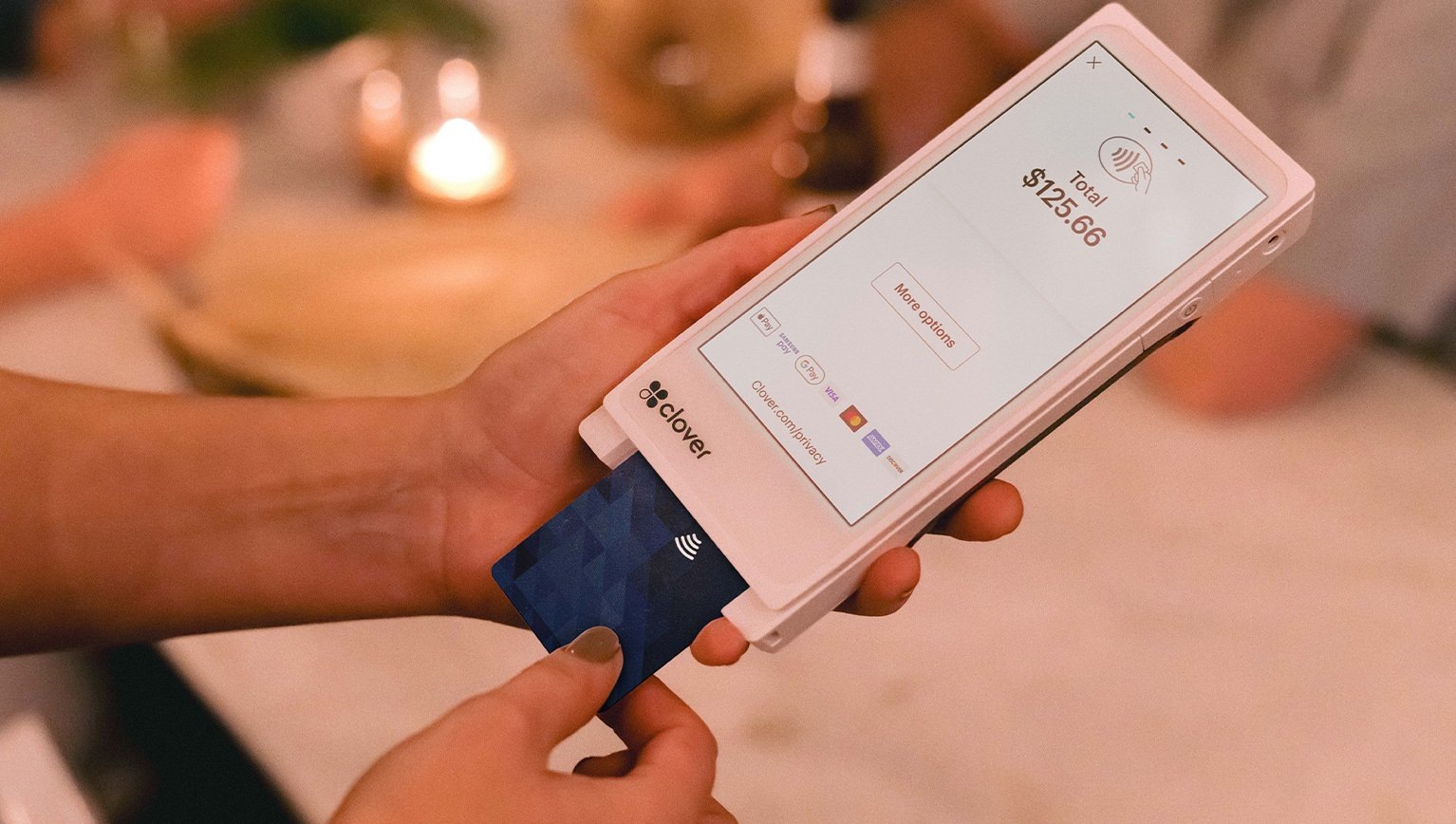
Today, debit services include on-demand physical cards, contactless payments, mobile wallets, analytics and integration tools. Digital Now sends an electronic debit or credit card to a mobile device for use where digital wallets are accepted. Credit clients can choose full-service program support or an in-house arrangement. The practical promise is a broader product menu without building every component themselves.
A card with a hometown attached
A payment card has another problem: it must compete for a place in someone’s hand. TransFund’s school and affinity programs give it a reason to be there. School cards began in 2006; the company’s 2025 anniversary account said the program served more than 500 schools nationwide. Charitable cards followed in 2013.
The mechanism is straightforward. A participating institution can donate part of its interchange income from purchases, or make a fixed contribution, to a partner organization. The card carries a local connection alongside the financial institution’s identity. TransFund offers programs associated with Folds of Honor, Oklahoma Project Woman and other nonprofits. Its website reports that Folds of Honor participants have raised more than $1 million.
There is a lesson here for anyone selling an interchangeable service. Give the customer a reason to care about the routine. For a bank, that means choosing a community partner with real local relevance, explaining the contribution clearly, and tracking whether cardholders actually use the product. A logo alone cannot establish that connection.
The quiet bill behind convenient cash
Shared infrastructure still has a bill. TransFund’s merchant pricing is customized, while marketing support is offered to clients at no extra charge. Its business combines payment-processing services, merchant acquiring and ATM operations. The issuing institutions’ interchange income is a separate part of that financial picture; it should not be confused with the processor’s revenue.
One disclosed expense makes the physical network tangible. BOK Financial’s 2025 proxy says it paid QuikTrip approximately $11.5 million in 2024 under an agreement sharing fees from transactions at TransFund ATMs in QuikTrip locations. Convenient placement has economics attached. That payment represents one partnership, rather than the cost of running the whole network.
Equipment also needs replacing. In 2022, TransFund bought 500 Diebold Nixdorf DN Series ATMs, followed by 400 more in 2023. It added a five-year managed-services contract covering such work as software support, monitoring and security. The announcement described replacing older machines and improving efficiency. It did not establish a particular breakdown as the trigger.
The small print is part of the product
For cardholders, “surcharge-free” comes with a meaningful condition: their institution must participate. TransFund’s locator advises checking membership in its ATM Pledge Group. Convenience-store ATMs do not accept deposits; financial-institution machines accept them only where indicated. A useful network depends on the right services being available in the places customers visit.
For institutions, the equivalent questions concern integration, operating responsibilities and fraud. TransFund offers real-time scoring, blocking and suspicious-transaction management, but its own 2026 fraud guidance stresses education alongside technology. A legitimate customer can be manipulated into authorizing a payment. Outsourcing processing still leaves the institution with decisions about customer protection and service.
An institution considering the service can turn that story into a buying checklist. Compare the full processing proposal, confirm compatibility with the existing banking systems, and decide who answers when a customer needs help. Ask which marketing services are included and how results will be measured. For a community card, make the donation formula explicit. These questions connect the appealing product features to the institution’s actual work: keeping payments dependable, costs understandable and customers informed.
TransFund’s story offers a practical sequence worth borrowing: share the expensive infrastructure, make the everyday product useful, then give people a reason to return. The first Tulsa machine solved access to cash. The business that followed helps smaller institutions keep their place in their customers’ daily lives.